
YEFL-Ghana
Breaking Barriers, Building Dreams: The Girls’ Caucus Revolution
In Northern Ghana, young women and girls in Girls’ Caucuses are creating spaces to speak openly about barriers to education and hold decision-makers accountable. While these platforms have contributed to increased school enrolment, progress has not come without challenges, including economic pressures and deeply rooted perceptions about girls’ education.
YEFL-Ghana
“Many parents give their daughters in marriage after secondary school, which means they become young mothers and do not continue their education. That was my story, and it is the reality of many other young girls in this part of Ghana,” said Millicent Jeln Nwiebam.
Millicent is 23 years old. She left school earlier than she had hoped because of an early marriage. However, since 2022, she has also been a community representative in the village of Gbintiri in Ghana’s North East Region, and she has transformed the course of her own life. She is now studying to become a nurse at the Gushegu Nurses and Midwifery Training College.
Millicent and other young women from the community have fought their way back into education, pursuing their studies and inspiring their families to champion girls’ education.
Turning Personal Setbacks into Collective Action
This journey reflects a transformation that began when several young women from Gbintiri joined a Girls’ Caucus, a platform for young women and girls in rural communities.
The first caucuses were established in 2022. Today, they operate across six districts, with a total membership of around 240 young women and girls. Within these spaces, young women and girls identify the challenges limiting their access to education, including cultural norms, poverty, limited parental support, gender stereotypes, sexual harassment, teenage pregnancy and early marriage, and decide together how to address them.
The caucuses are established under the CLEAR project (The Citizen-Led Action for Educational Accountability and Responsiveness, which is an Education Out Loud-funded initiative implemented in Northern Ghana.
It is implemented by School for Life as the lead organisation and in partnership with YEFL-Ghana and the Ghana Developing Communities Association (GDCA).
The Girls’ Caucus showed me that it wasn’t too late to go back and reclaim what I had given up on. Retaking my examinations and enrolling in college gave me back my voice. Now I use that same voice to encourage other girls.
Millicent Jeln NwiebamStudent and community representative in Gbintiri
The purpose is to reduce education gaps and improve basic education. Among its initiatives, the Girls’ Caucus stands out as a grassroots approach that places young women at the centre of education advocacy.
“Within these spaces, girls share experiences, build solidarity and develop confidence. Importantly, the caucuses serve as a strategic advocacy mechanism within the project, which aims to strengthen citizen engagement in demanding quality education, particularly for marginalised groups such as the Fulbe, people with disabilities, women and young people,” said Samira Dawood, Project Officer at YEFL-Ghana.
Girls’ Agency and Voice
The caucuses identify issues and take them directly to the stakeholders with the power to act, including district directors of education, assembly members and school heads, proposing concrete solutions and demanding follow-through. Through the Girls’ Caucus in Gbintiri, Millicent and her peers took the bold step of retaking their examinations and successfully enrolling in Gambaga College of Education and nursing training colleges.
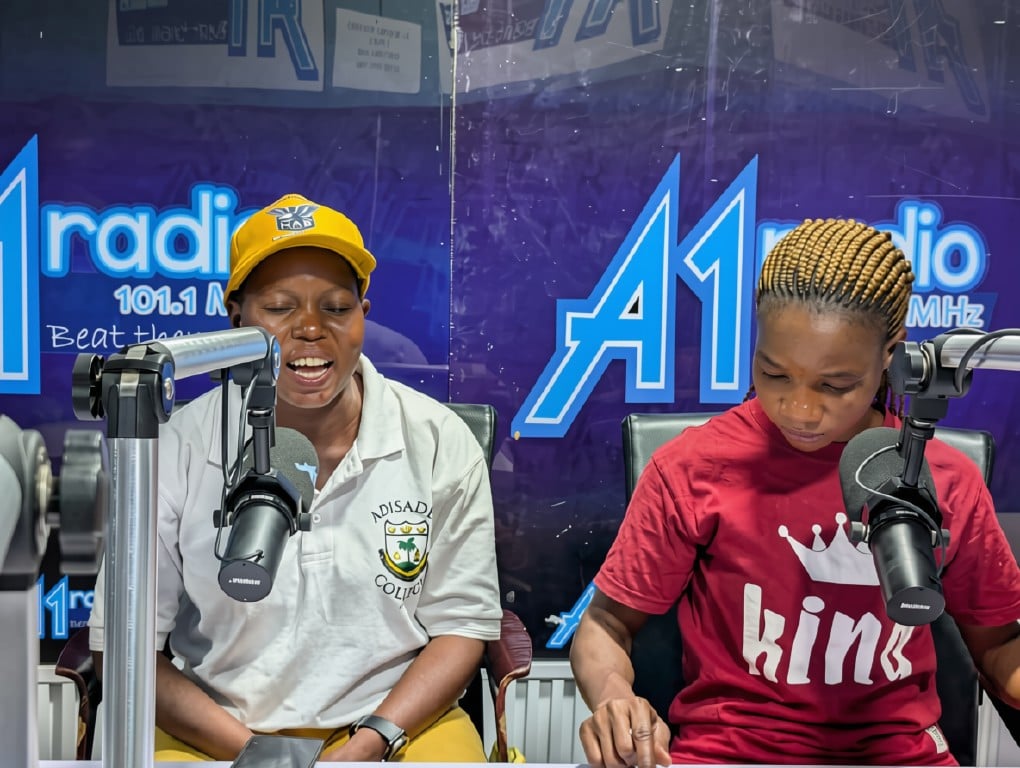
As part of the project, caucus members have secured weekly radio airtime to raise awareness of pressing issues among a wider audience, including poor road networks, inadequate resources and systemic barriers to girls’ education. Phone-in sessions have given listeners an opportunity to share their own experiences and make public commitments to support education.
The caucus members also invite stakeholders to respond to concerns raised by their communities. Over time, they have mobilised community members, and participants continue to act as champions for change across their districts.
“It is rare to hear young women speaking so openly on the radio about issues that affect them, but that is exactly what makes it powerful. These conversations are reaching farmers, mothers and community leaders in their homes in ways no meeting or flyer ever could,” said Samira Dawood.
I never imagined I would meet stakeholders such as the Regional Minister and the DCE. Whenever we tried to reach them before, they were never available. Now they listen.
Esther Banoah Chair of the Girls’ Caucus in Talensi District
From Safe Spaces to Advocacy Platforms
As these young women build their knowledge, voice and leadership skills, their advocacy has begun to shift conversations at community level, in schools and among district-level decision-makers. The results have been tangible.
What began as a peer-learning platform in 2022 has evolved into what Samira Dawood describes as “a powerful movement influencing families, communities and institutions”. “The Girls’ Caucuses are spaces where young women build confidence and drive change. They take the initiative to engage families and community members, making the case for why every girl deserves the chance to learn,” said Samira Dawood.
Their voices are reaching decision-makers who had rarely listened directly to young women before, demonstrating how investing in girls’ leadership can reshape community expectations and open new opportunities. Caucus members are now sitting at tables that were once closed to them, engaging directly with District Chief Executives (DCEs) and representatives of the Ghana Education Service to push for change.
“I never imagined I would meet stakeholders such as the Regional Minister and the DCE. Whenever we tried to reach them before, they were never available. Now they listen,” said Esther Banoah, Chair of the Girls’ Caucus in Talensi District.
From Voice to Impact
The District Director of Education for Talensi, Madam Christiana Ayinezoya Azure, described the caucus as a “powerful platform” for surfacing and responding to community concerns. Notable examples of these cascading changes include the stories of Rukaya and Hannah.
In the Nanumba North Municipality, Rukaya Alhassan, a young Fulbe woman, led coordinated outreach efforts that contributed to the enrolment of approximately 50 Fulbe children in school. She describes what she is building as “an inclusive society where communities come together to drive local action for quality and inclusive education”.
It is rare to hear young women speaking so openly on the radio about issues that affect them, but that is exactly what makes it powerful. These conversations are reaching farmers, mothers and community leaders in their homes in ways no meeting or flyer ever could.
Samira DawoodProject Officer at YEFL-Ghana
Hannah, a caucus member from Nyingari in the East Mamprusi Municipality, describes how she took action: “I noticed a girl wandering around out of school, so I decided to find out why. Her parents were divorced and she was living with her grandmother. I followed up with her grandmother and realised the barrier was the family’s reluctance to let Salma return to school. After a series of conversations with the grandmother and the community school, Salma returned after a year out. I check in on her regularly, and she has been doing well.”
Then there is the example of Millicent, who changed her own path by returning to education and supporting others to do the same. “One of our members, Mercy, was about to be married off, but she changed her mind because of the encouragement she received from the Girls’ Caucus and from hearing my story about returning to school. Today, she is in her second year of senior high school and has been spared early marriage,” said Millicent.
These young women are proving that when given the opportunity to lead, the possibilities are far greater than the limits once placed upon them.
“The Girls’ Caucus showed me that it wasn’t too late to go back and reclaim what I had given up on. Retaking my examinations and enrolling in college gave me back my voice. Now I use that same voice to encourage other girls,” said Millicent.