
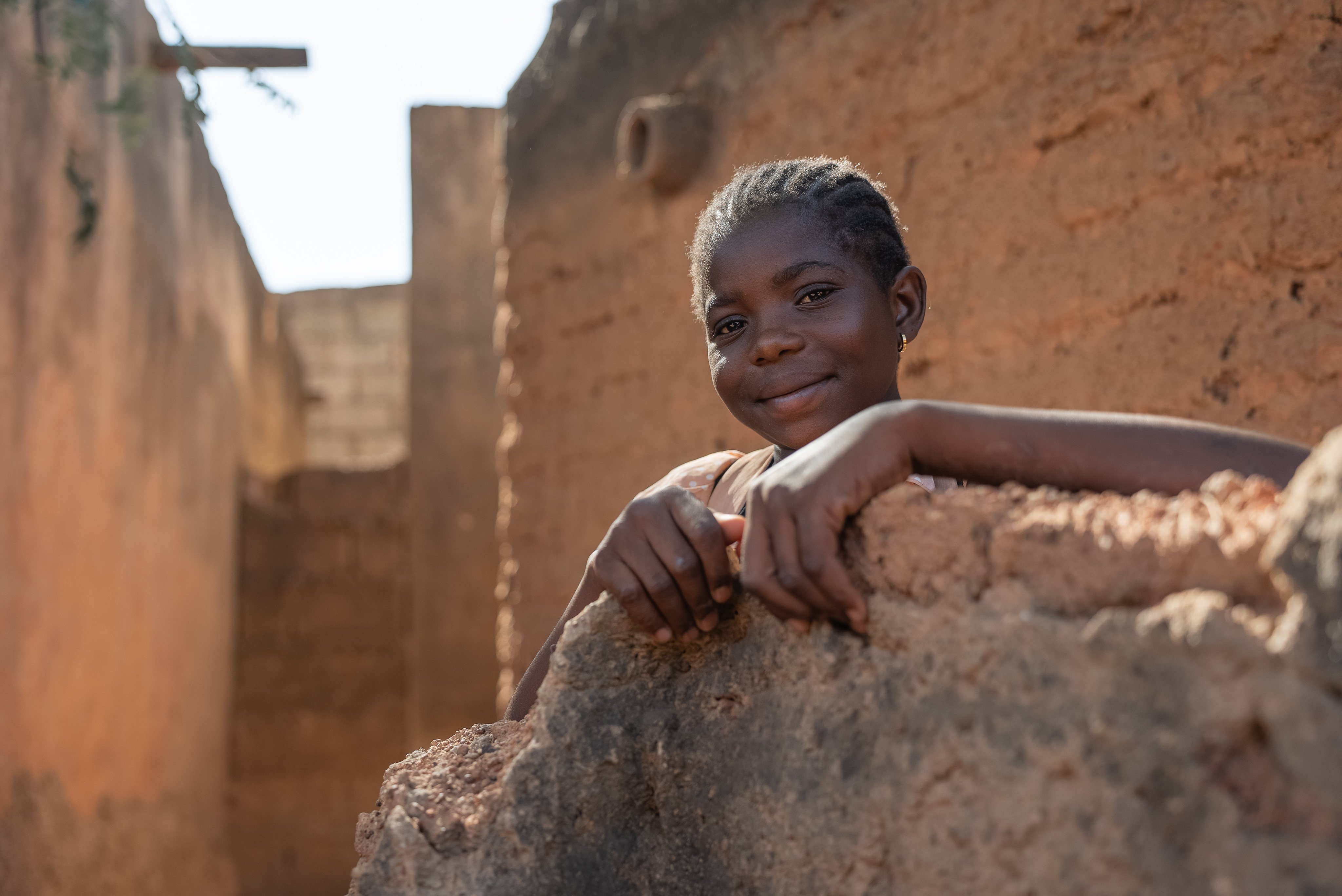
Burkina Faso: Civil society helps displaced children enroll in schools
Due to the security crisis in Burkina Faso, over 2 million people – 10% of the population – have been internally displaced. Over half of those displaced are children, many of whom have had their education disrupted. With support from Education Out Loud, civil society organizations are helping these children access education in their host communities and elevating local voices, turning individual struggles into collective, national change.
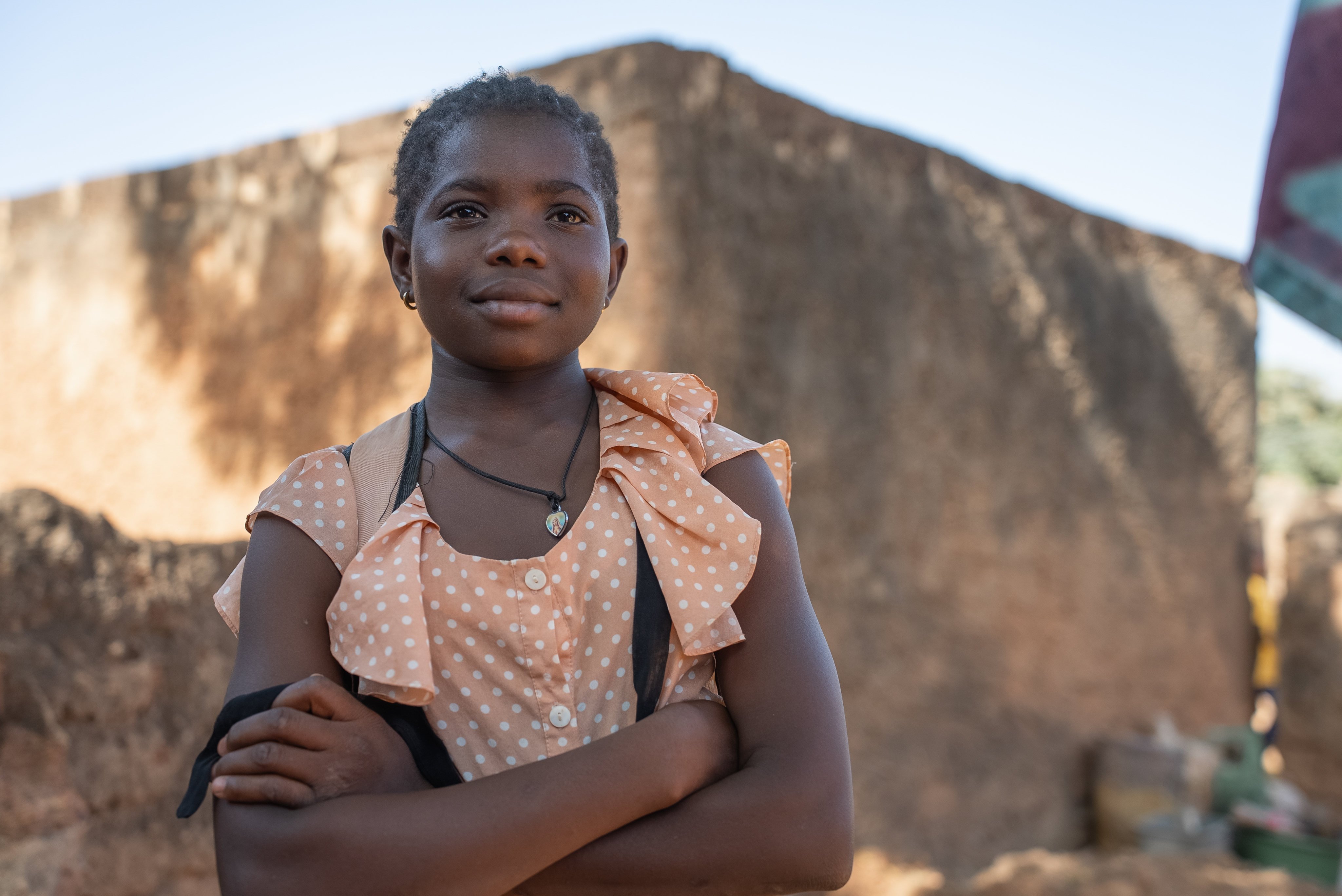
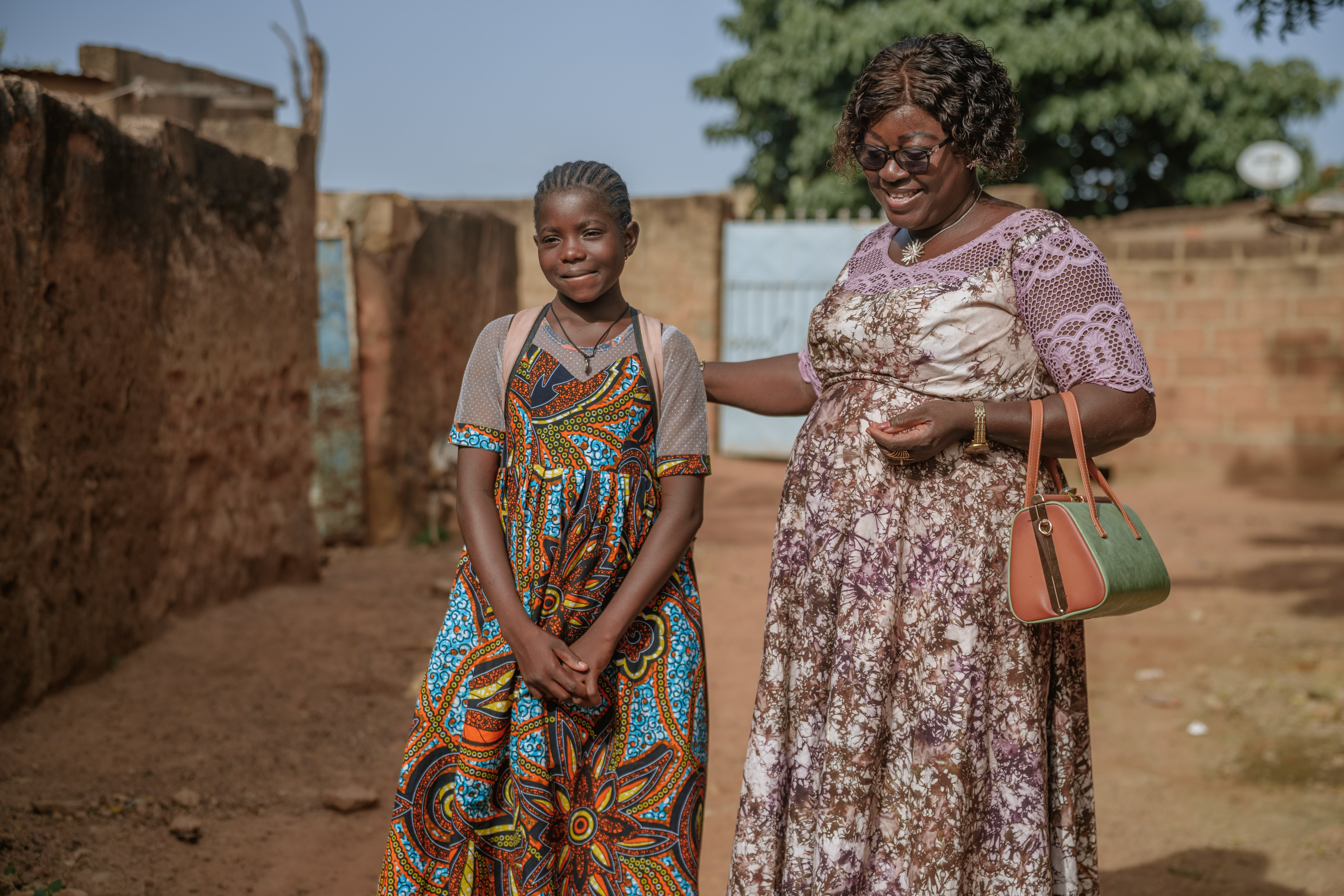
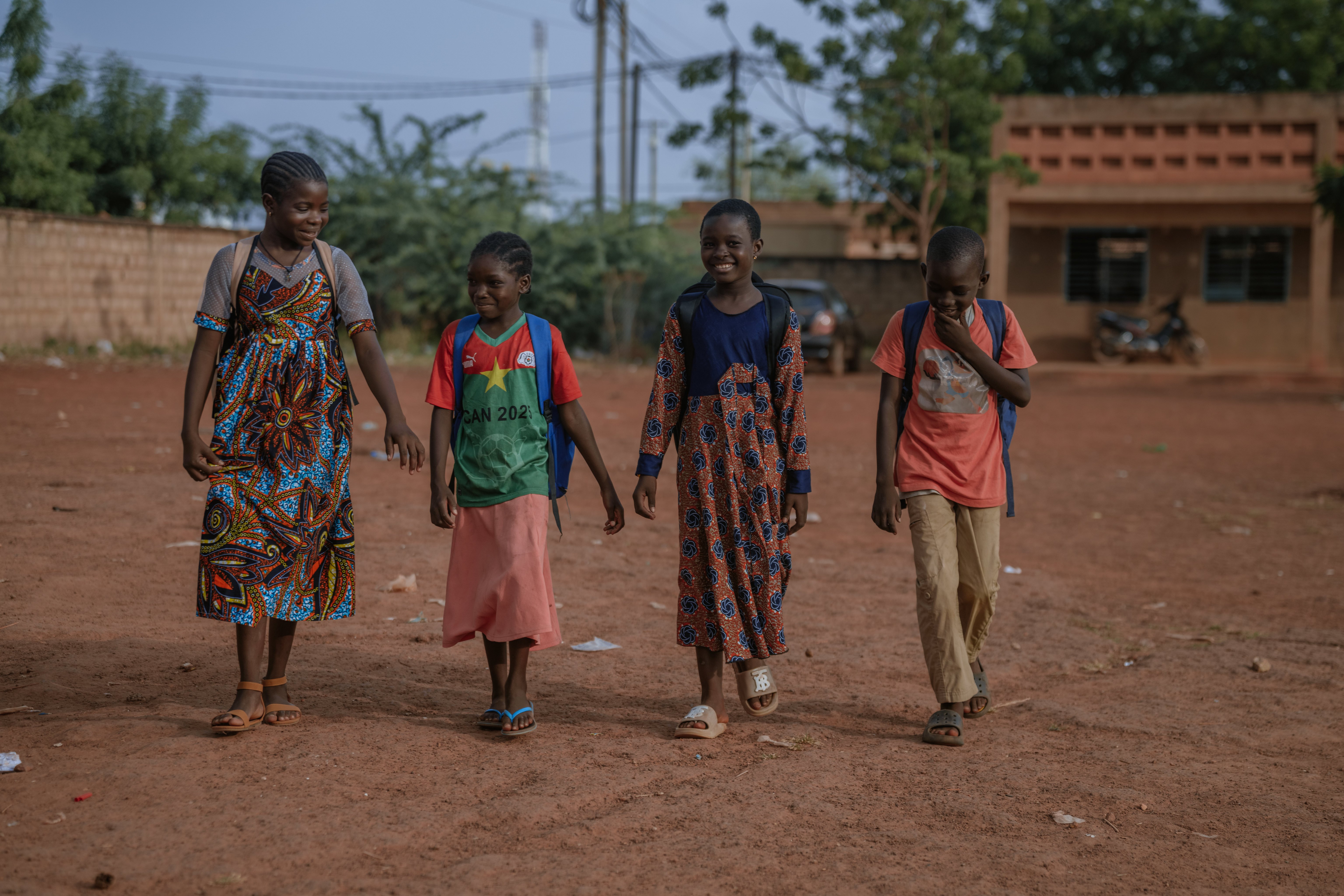
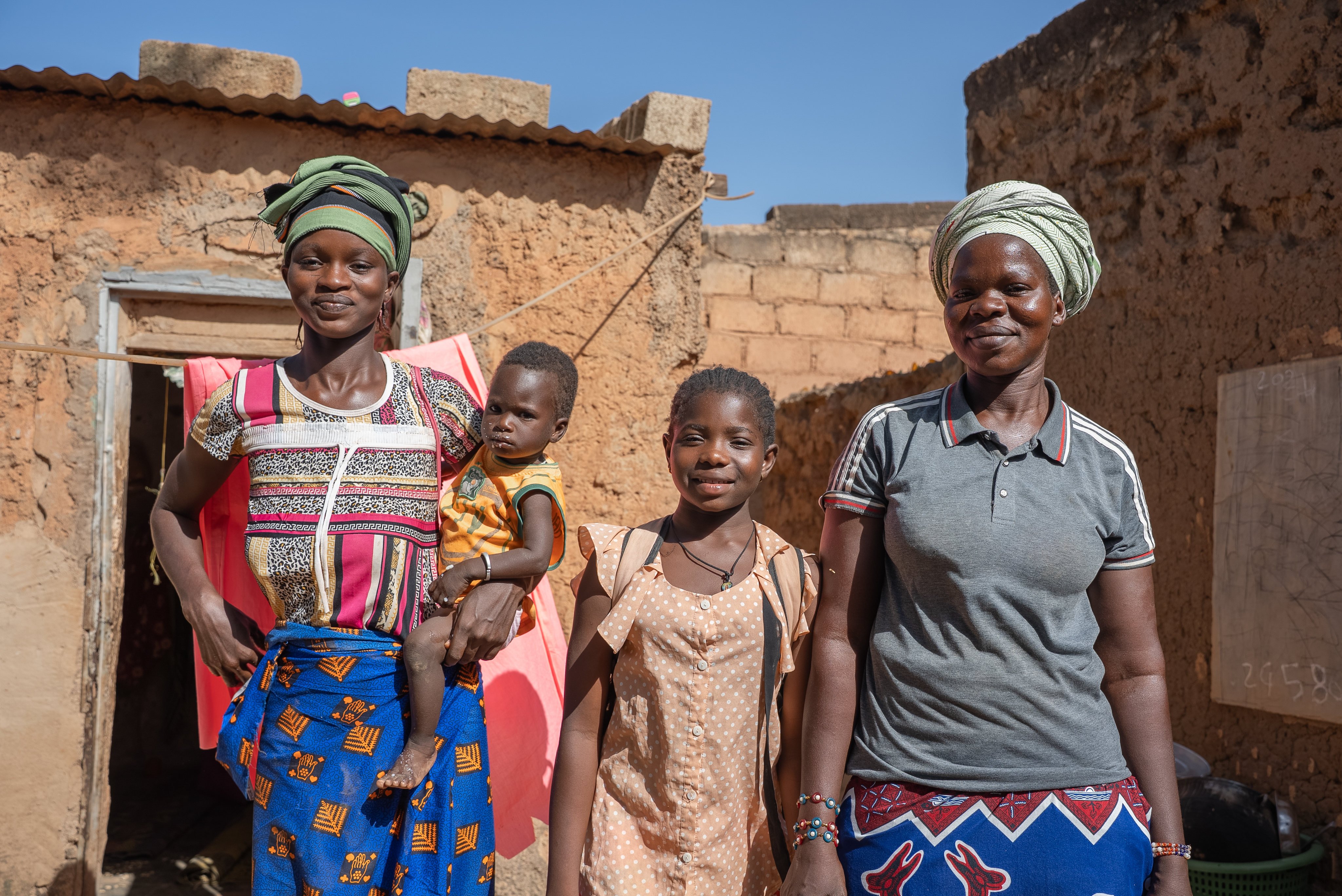
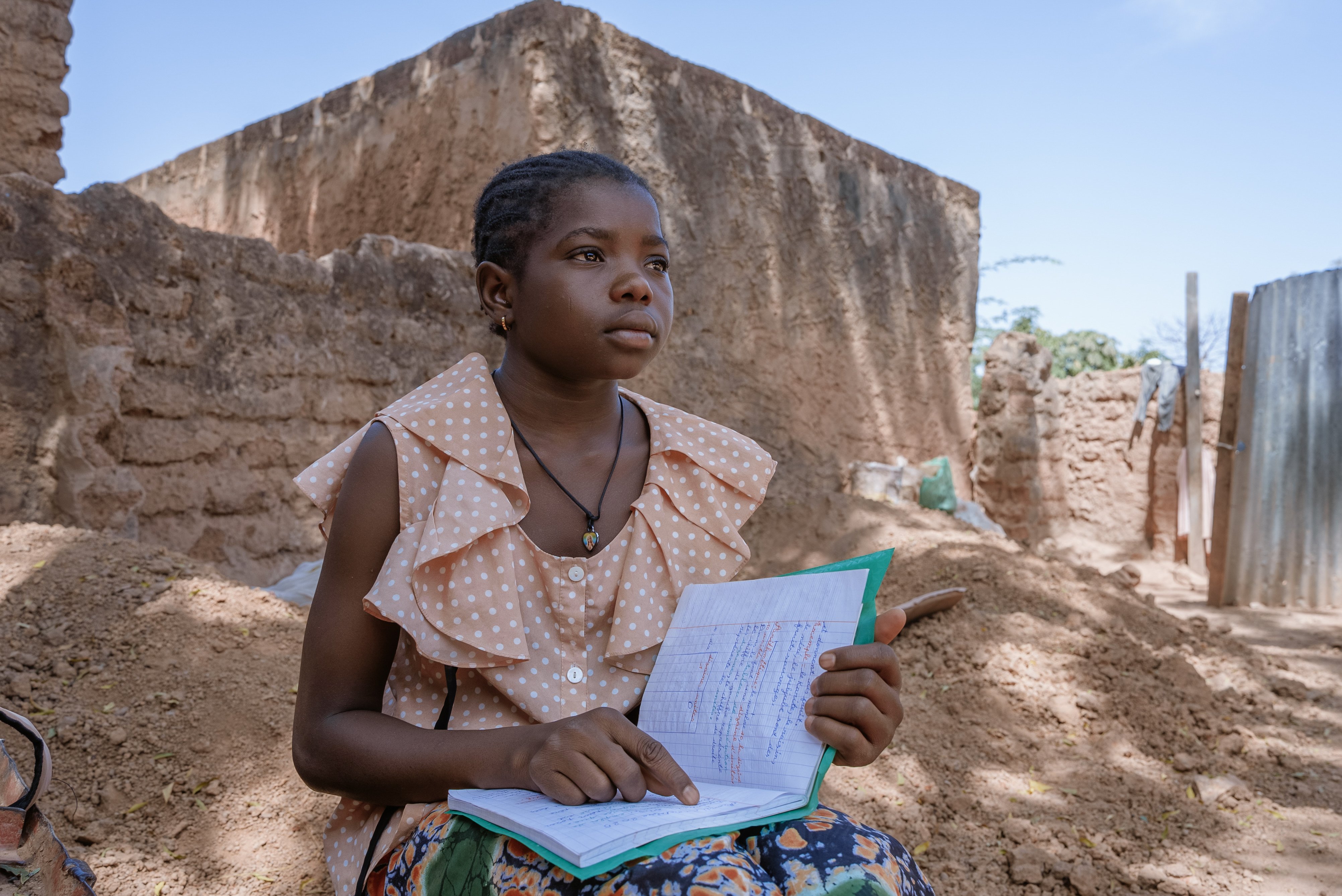
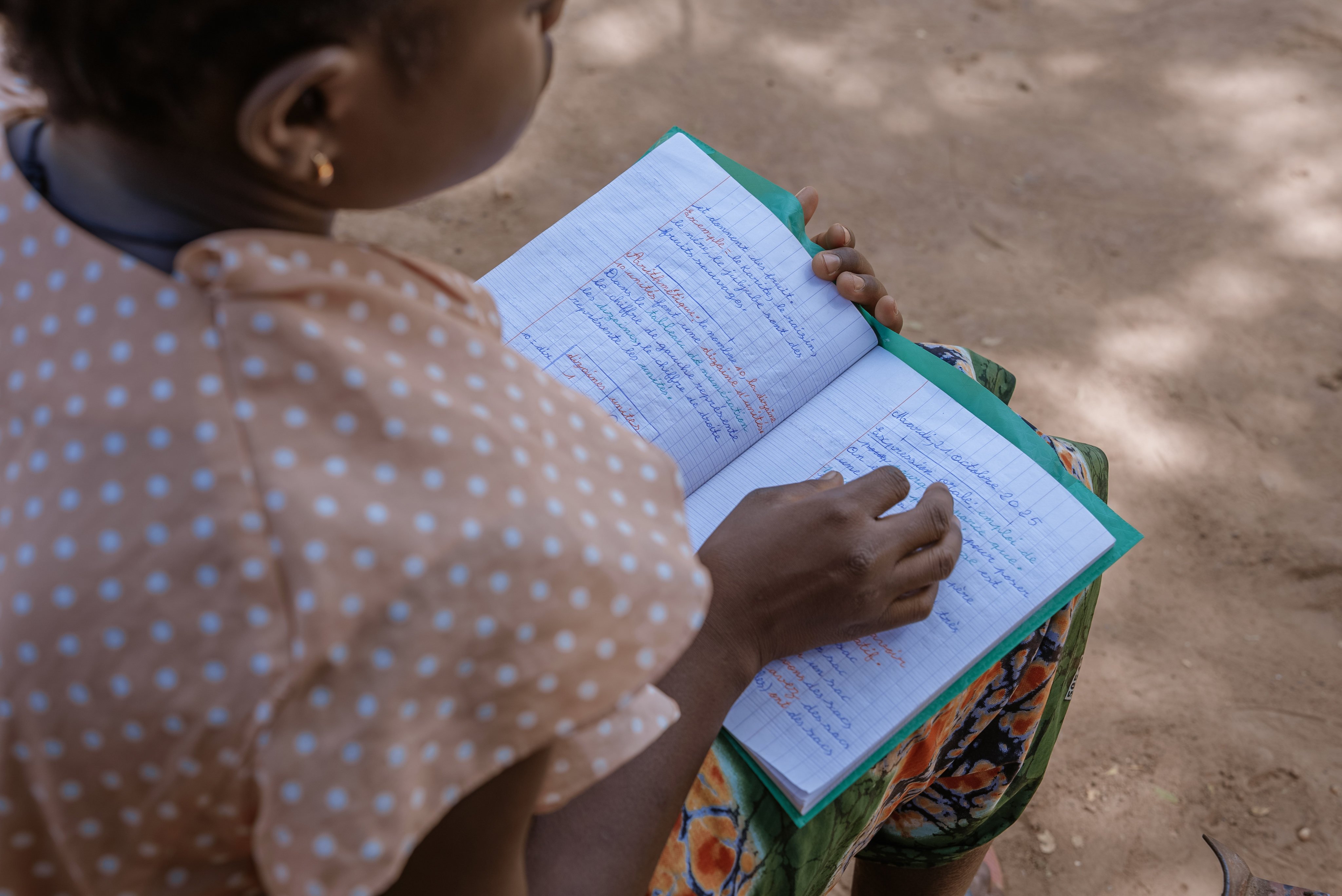
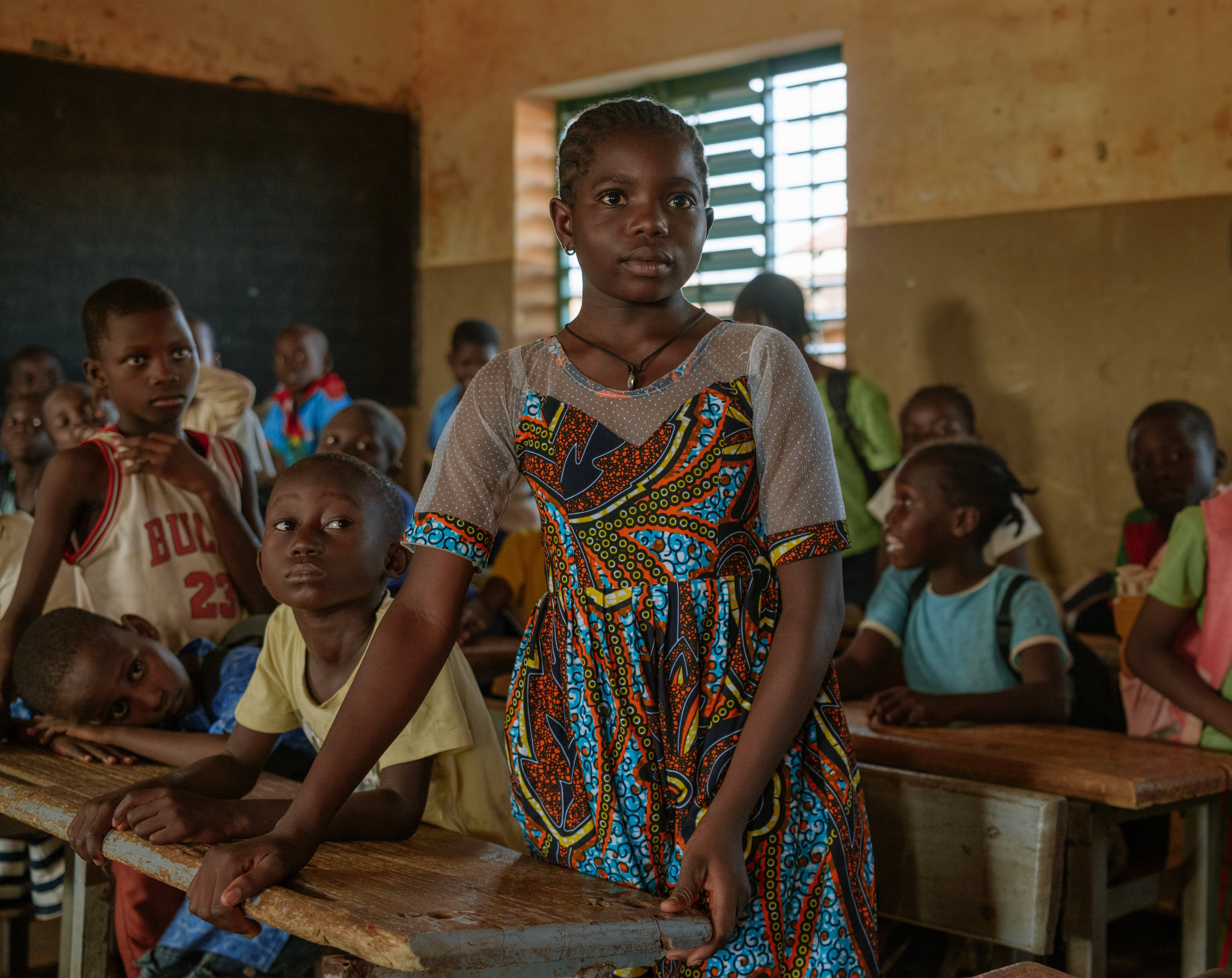
“My life was full of joy before,” recalls Djélika. “I went to school, met up with my friends and did well in class.”
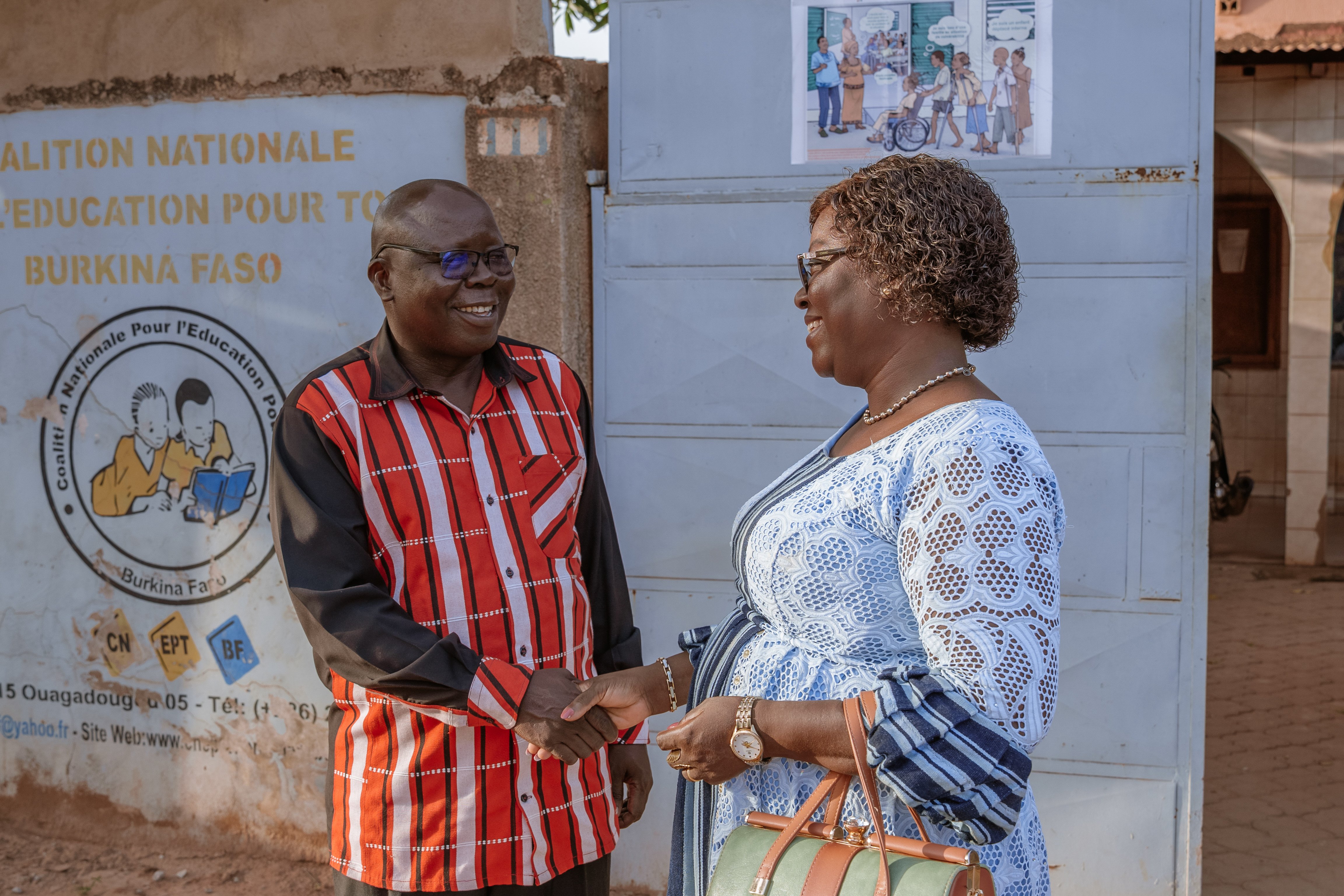
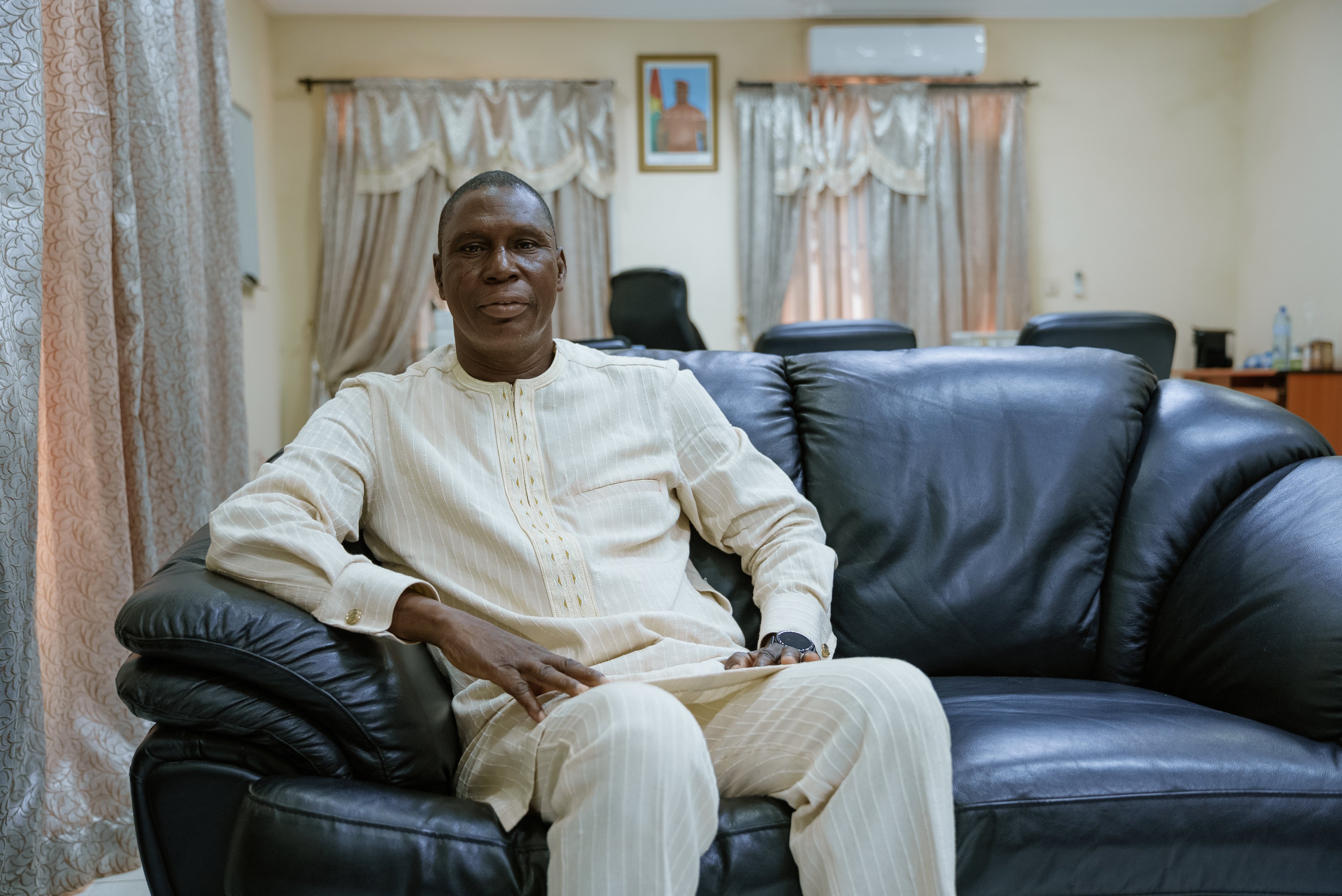
Djélika’s family is among the more than 2 million people internally displaced in Burkina Faso. More than half of the displaced population are children. Djélika’s determination to return to school caught the attention of Marie Yonli Zomodo, a civil society advocate with the National Coalition for Education for All of Burkina Faso, supported by Education Out Loud, GPE’s fund for advocacy and social accountability.
Marie met Djélika’s mother during community outreach work focused on raising awareness about displaced students’ right to education. When she learned that Djélika had left school while in second grade, she followed up with the family.
“When you talk to Djélika, you can see how much she wants to go back to school. She doesn’t hesitate to share her regrets about missing school. We committed to finding her a school,” says Marie Yonli Zomodo.
“I was very happy to learn that I would be going back to school. I want to do everything I can to work hard and not disappoint those who have helped me,” says Djélika Bonkoungo.
Civil society advocate, National Coalition for Education for All of Burkina Faso
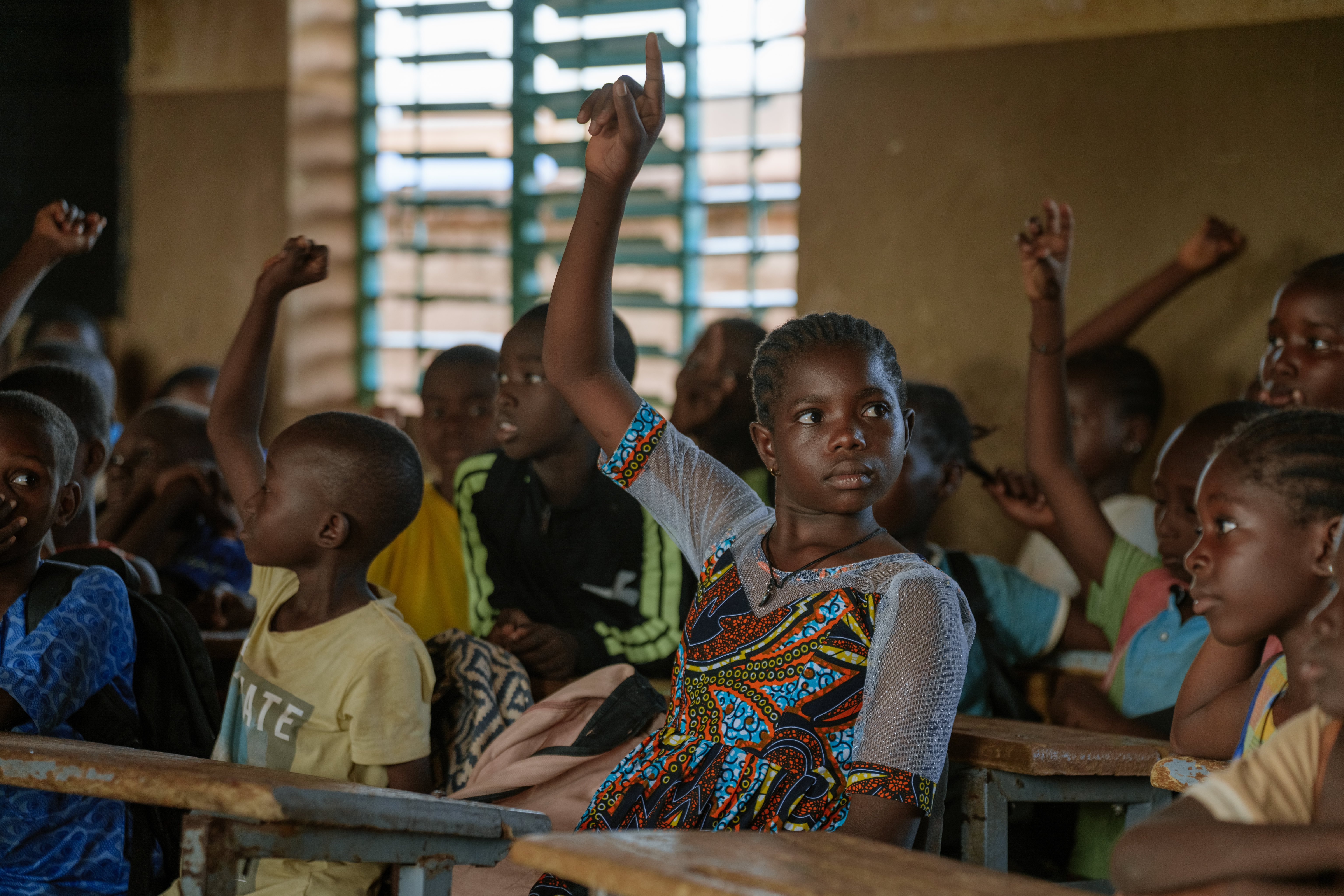
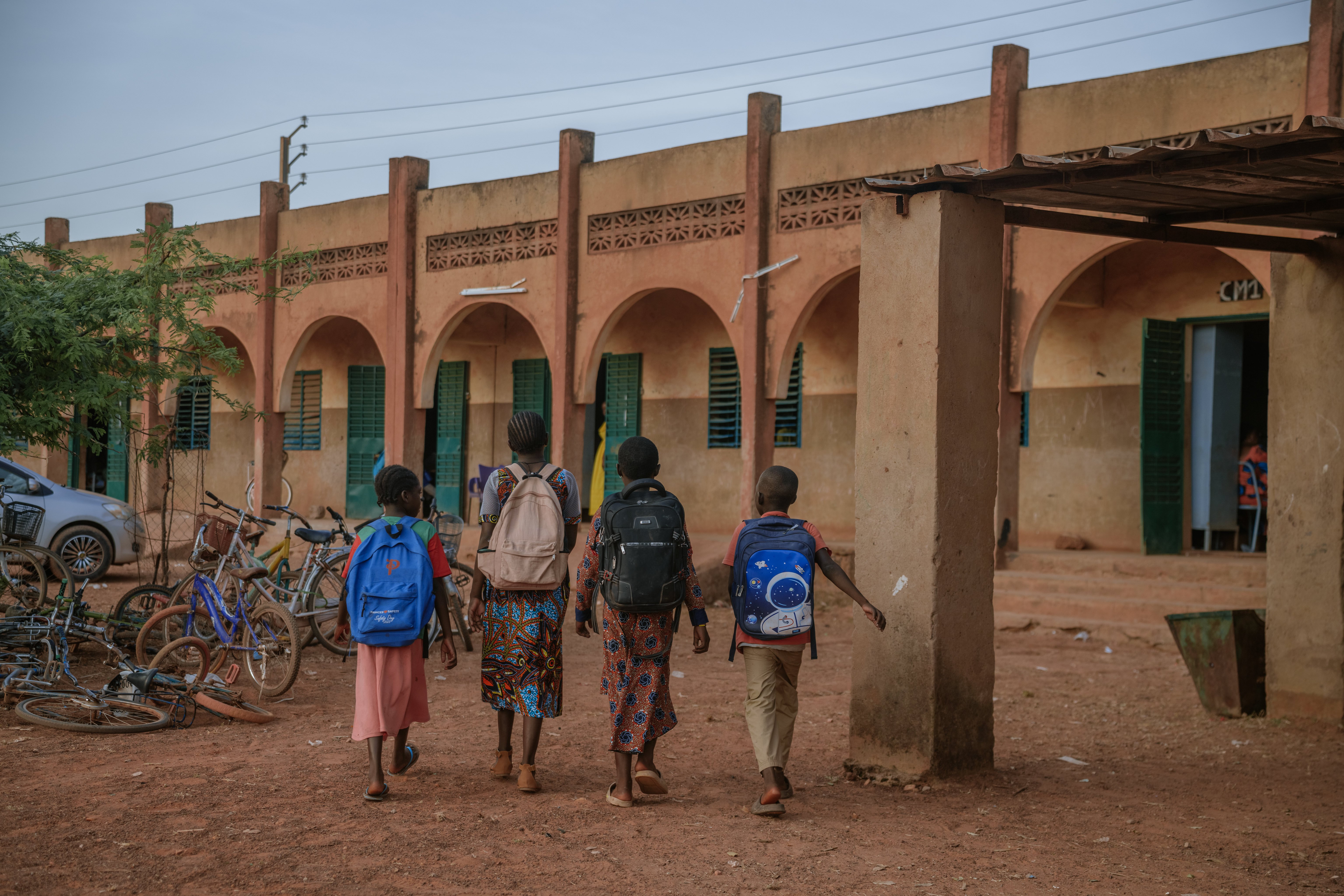
Thanks to Marie’s efforts and Burkina Faso’s strong network of civil society advocates, Djélika enrolled at Somgande “E” public school in Ouagadougou. Over the school year, she excelled and was often at the top of her class.
“I hadn’t forgotten what I had learned. I didn’t know anyone, but today I’m doing well in class, I have made friends, and I know the teachers,” says Djélika.
“This is a victory because we were able to get her back into school. It is also about resilience: Djélika went through a crisis and persevered,” says Marie Yonli Zomodo.
Collective action and the power of advocacy
Civil society advocates like Marie are often closest to the realities faced by displaced and marginalized people in their communities. Their work helps elevate otherwise unheard voices to government level and turn individual struggles into collective change. She first realized the power of advocacy in 2011, when students in her community were expelled from school for failing to pay school fees.
Working through the coalition, community members raised the issue with the Ministry of Education, which subsequently issued a directive prohibiting the practice nationwide. Marie is a primary and non-formal education inspector and an active member of the Association of Women Lawyers of Burkina Faso. She is part of a teacher union that is a member of the National Coalition for Education for All of Burkina Faso and was sent by her union to participate in the coalition’s work.
“I have benefited from awareness sessions and training on rights issues, particularly the right to education, inclusive education and girls’ education. From that point on, I committed myself to supporting education, especially girls’ education,” Marie Yonli Zomodo says.
Through the coalition, civil society actors work with local authorities, community leaders and national decision makers to secure better funding for education, promote strategies for education in emergencies and support safe schools for marginalized children.
“We campaign for all children to have access to school, regardless of their social circumstances or health status. They must have the same opportunities to go to school, even during emergencies,” says Tahirou Traoré, National Coordinator, National Coalition for Education for All of Burkina Faso.
“The National Coalition for Education for All is a long-standing partner of the Ministry of Basic Education. It brings together stakeholders and conducts advocacy and social mobilization in support of education. Collaboration between civil society and the ministry allows for great achievements,” adds Seni Ouedraogo, Permanent Secretary of the Strategic Plan for the Development of Basic and Secondary Education, Burkina Faso.
International support for the national coalition
Since 2009, the coalition has received support from GPE. This long-standing support has strengthened civil society’s ability to engage governments on education policy and financing. One major achievement was the coalition’s advocacy for the National Strategy for Education in Emergencies, adopted for the period 2019-2024, which sought to address barriers to education for children who have been displaced, including the limited capacity of schools to absorb new students and administrative challenges such as missing documents.
The first priority [for the National Strategy for Education in Emergencies] was to ensure that internally displaced students could immediately return to school in their host areas,” says Seni Ouedraogo.
As part of the strategy’s implementation, government funding for education in emergencies increased significantly – from 197 million CFA francs in 2020 to 37.9 billion CFA francs in 2024. Monitoring by the coalition helped track these allocations and supported continued advocacy for adequate funding.
The coalition has come to play a key role in monitoring the implementation of the strategy. Since its adoption, 200 schools have been built, and thousands of children have gained access to education. Currently, Education Out Loud is supporting the coalition to continue their advocacy and social mobilization with the government and communities to enroll and re-enroll out-of-school children, including internally displaced students, girls, and children with disabilities.
The coalition also trains regional education committees on advocacy and citizen oversight.
“When children are well-educated, they contribute to the development of the country. GPE understands the importance of education and contributes to financing education in Burkina Faso,” says Seni Ouedraogo.
Working in partnership to give every child an education
Advocacy helps ensure that the right to education is not optional, even in emergencies.“Through advocacy, the voices of marginalized populations are heard. It is a non-violent tool that allows us to transform our world,” says Marie Yonli Zomodo.
Without support, local advocates may only reach their immediate communities. Backed by Education Out Loud, their stories and evidence fuel policy reforms, government budgets and emergency strategies affecting millions of children.
“If I meet a child who isn’t going to school, I would like to say, ‘Keep hope alive’. Like me, they will one day have better opportunities. As for those who have already succeeded, I would ask them to help vulnerable people, because the entire country of Burkina Faso will benefit from this help,” says Djélika.
Community members, government, GPE and other international partners are working together so education can reach all children in Burkina Faso. Because of people like Marie, Djélika – along with many other displaced children – is back in school, learning and dreaming again. And when one child returns to the classroom, a future opens for many more.
Broader GPE support for education in Burkina Faso
- Beyond civil society support, Burkina Faso has received over US$294 million in education grants from GPE since 2002, including funding of $40 million for 2025–2029 with the World Bank as the grant agent.
- The current grant supports the country’s national priority reform outlined in its partnership compact: to ensure access to education for all in the context of security and humanitarian crises.
- The partnership compact was developed by government-led, inclusive sector dialogue. UNICEF, as the education coordinating agency in Burkina Faso, supported the government to convene partners from different stakeholder groups, including civil society, to identify education system bottlenecks and the strategic focus to be financed by GPE grants.
- The coalition helped develop and is a signatory of the compact, which defines mutual accountability and focuses all education stakeholders on achievement of the national priority reform.
- Together, the government and partners are ensuring inclusive education in the country’s emergency context and strengthening institutional capacity for better delivery of education services
This article was originally posted on GPE’s website. See the original article here.