
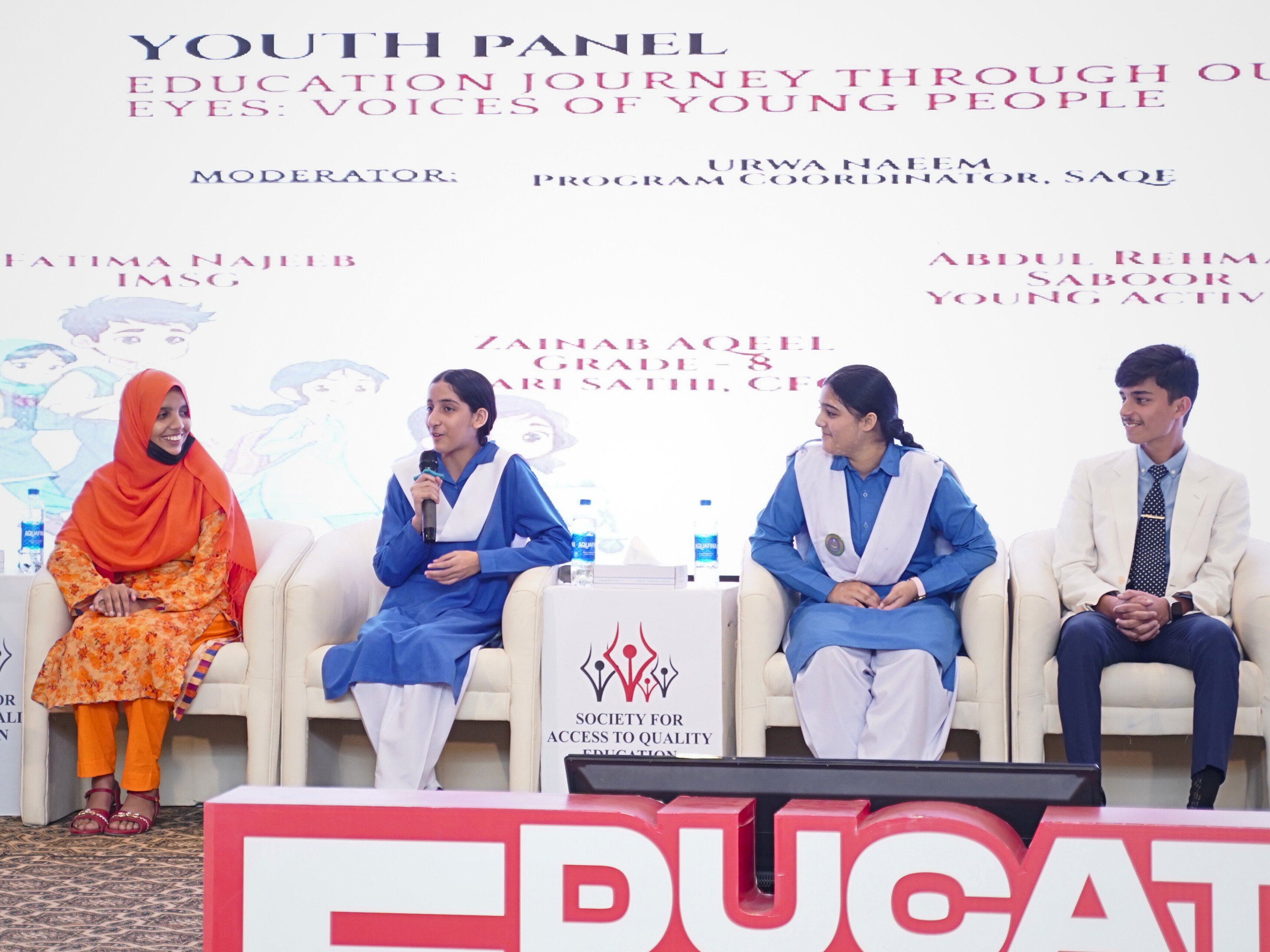
Moving Beyond Tokenism: Strategies for Meaningful Youth Engagement
In the Asia Pacific region, youth have become a significant force for change. Civil society organisations are striving to go beyond tokenism and through the Youth-led Policy Advocacy and Accountability Learning Collaborative, they have created a toolkit to effectively involve youth in these processes.
Sidebar title
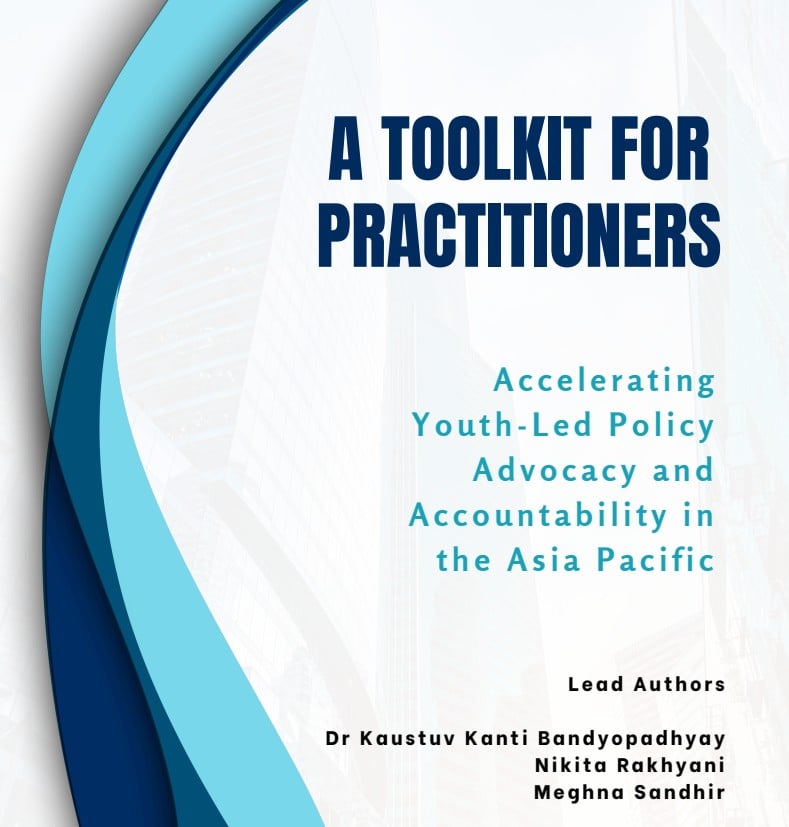
The collaborative effort has resulted in the creation of the Toolkit for Practitioners – Accelerating Youth-led Policy Advocacy and Accountability.
This toolkit compiles practical and effective tools designed to enhance youth engagement in accountability and advocacy. It presents six proven tools that have been supported and adapted by youth groups and civil society coalitions.
From youth-led mobilisations during political and economic transitions in various countries to ongoing digital and community-based advocacy, young people have shown their increasing ability to influence decision-making. These experiences are especially important for the education sector, emphasising the role of youth not just as beneficiaries but as vital contributors in shaping how the education system addresses issues of inequality, accountability, and reform.
While the potential for change rests with youth, National Education Coalitions, CSOs and alliances in the Asia Pacific have struggled to engage young people as sustained partners in influencing change, rather than as occasional participants in the education movement. The primary challenge for civil society has been to harness youth potential in ways that foster leadership, generate credible evidence, and avoid tokenism. There has been a persistent concern about moving beyond simply inviting youth to meetings to actively involve them as partners in advocacy, accountability, and governance.
To address this, Regional Management Unit- Asia Pacific initiated a Learning Collaborative with ten Education Out Loud grantees across the Asia Pacific, who have been working together through 2025, to document tools, test approaches, compare experiences, and co-create a shared understanding of what meaningful youth engagement looks like in practice.
Facilitated by Participatory Research in Asia (PRIA), the Learning Collaborative emphasises the importance of youth participation beyond tokenism. It aims to be transformative—building leadership, fostering civic engagement, and amplifying marginalised voices. This required Education Out Loud grantees to reflect and engage with each other under learning collaborative.
Documenting what works: Tools and techniques for youth led advocacy
Throughout the Learning Collaborative, participants noted that while youth are actively involved in education advocacy—through research, monitoring, digital campaigns, and policy dialogue in various country contexts—these efforts often lack cohesion, depth, and are hindered by gaps in skills, mentorship, and pathways to sustained policy influence. During the sessions, participants acknowledged the necessity of moving beyond individual practices by fostering shared learning, conducting mapping exercises, and organising dedicated ‘writeshop’. They emphasised the importance of systematically documenting approaches that have proven effective in empowering youth to generate evidence, engage with institutions, and sustain advocacy efforts. This process established a foundation for consolidating and refining a set of practical tools and techniques that organisations can use to engage youth in meaningful advocacy.
The collaborative effort has resulted in the creation of the Toolkit for Practitioners – Accelerating Youth-led Policy Advocacy and Accountability. This toolkit compiles practical and effective tools designed to enhance youth engagement in accountability and advocacy. It synthesises insights from ten organisations, combining analytical depth with real-world experience and presenting six proven tools that have been supported and adapted by youth groups and civil society coalitions.
The toolkit offers three fundamental answers to the question: “How do we engage meaningfully with youth?”
1. Invest in sustained youth leadership — Not one-off activities
A key finding across the collaborative is that meaningful youth engagement demands continuous, structured capacity building. Tools like Youth Action Research (YAR) demonstrate that when young people are trained in research design, ethics, facilitation, and communication, they transition from observers to change agents. This approach necessitates:
- Ongoing mentorship
- Hybrid learning pathways
- Safe spaces for experimentation
- Leadership development
- Opportunities to apply skills to real community issues
Grantees noted that when youth receive step-by-step support rather than just a single workshop, they gain confidence in leading dialogues, presenting findings, and crafting advocacy messages. Over time, this develops a cohort of young leaders who grasp both community realities and policy pathways.
For example, Learning Groups, initiated by the Network for Education Watch Indonesia, are youth-led spaces that blend informal and formal engagement with community members and leaders. These groups host weekly reflection forums, facilitate interactions with policy and education stakeholders, and provide safe platforms for dissent, learning, and collaborative advocacy. Additionally, Learning Groups allow young people to explore and discuss contemporary issues through various lenses. Topics include the intersection of education and climate change, environmental and Indigenous peoples’ issues, technology and AI, peace and civil society, embodiment and art in social issues, and social movements. They create a platform for youth to express their perspectives through creative and relevant formats such as film screenings, book discussions, art exhibitions, stand-up comedy sessions, camps, and music nights.
2. Empower youth as owners of evidence and accountability processes
The main takeaway from the toolkit is that youth should not only “participate” but also take the lead in generating the evidence that supports advocacy efforts. The six tools outlined position of youth as:
- Researchers (e.g. in Youth Action Research),
- Monitors and analysts (e.g. in Community Based Monitoring),
- Auditors or Verifiers (e.g. in Social Audits),
- Budget trackers (e.g. in Budget Analysis and Tracking), and
- Communicators (e.g. in Digital Campaigns).
When youth take charge of these processes, the evidence they produce becomes grounded, human, and credible. This approach amplifies community voices and makes it more difficult to overlook policy gaps.
This transition—from youth being consulted to youth actively producing data—marks the end of tokenism and the beginning of true ownership. For example, I-SAPS in Pakistan is utilizing CRCs to generate evidence in partnership with young people. Citizen Report Cards (CRCs), or Score Cards, are participatory surveys designed to gather user feedback on public service performance. Their goal is to raise awareness and drive improvements. By collecting input directly from actual service users, CRCs provide a more accurate assessment of service quality. These tools evaluate the performance of individual service providers and allow for comparisons among them. The collected data is compiled into a public database, promoting transparency and accountability in public service delivery.
3. Establish long-term platforms and networks for sustained engagement
Youth engagement becomes meaningful when there are continuous opportunities for young people to advocate, negotiate, and influence decision-making. The collaborative emphasised that one-time events or campaigns do not create lasting impact unless they are connected to structured platforms. These platforms include:
- Policy dialogues and forums
- Digital advocacy networks
- Annual cycles of capacity-building and verification
- Intergenerational dialogue spaces
Such platforms institutionalise the roles of youth, facilitating the transition from evidence to action. They ensure that commitments made by government and state officials are monitored, fostering an environment where change is not sporadic but integrated into a continuous accountability cycle.
Charting the way forward
The Learning Collaborative not only examined current experiences and scenarios but also looked ahead to identify several emerging priorities for ongoing learning and collective exploration. Key priorities included the need to stay relevant in rapidly changing political contexts, engage youth through intersectoral and inclusive approaches, and strengthen digital advocacy and social media presence.
Participants emphasised the importance of enhancing monitoring and impact measurement, forging partnerships with the private sector, and unifying youth-led advocacy efforts across the region. Together, these priorities demonstrate a shared commitment to deepening practice and sustaining impact.