Malene Aadal Bo
Yoro’s Indigenous Women Help Win Equal Pay for PROHECO Teachers
In the department of Yoro in Honduras, an indigenous women’s organisation is celebrating what, on paper, looks like a simple adjustment to teachers’ pay and conditions — but which, in reality, is a significant advocacy win and a change that could dramatically improve the quality of education for indigenous communities in this part of Honduras.
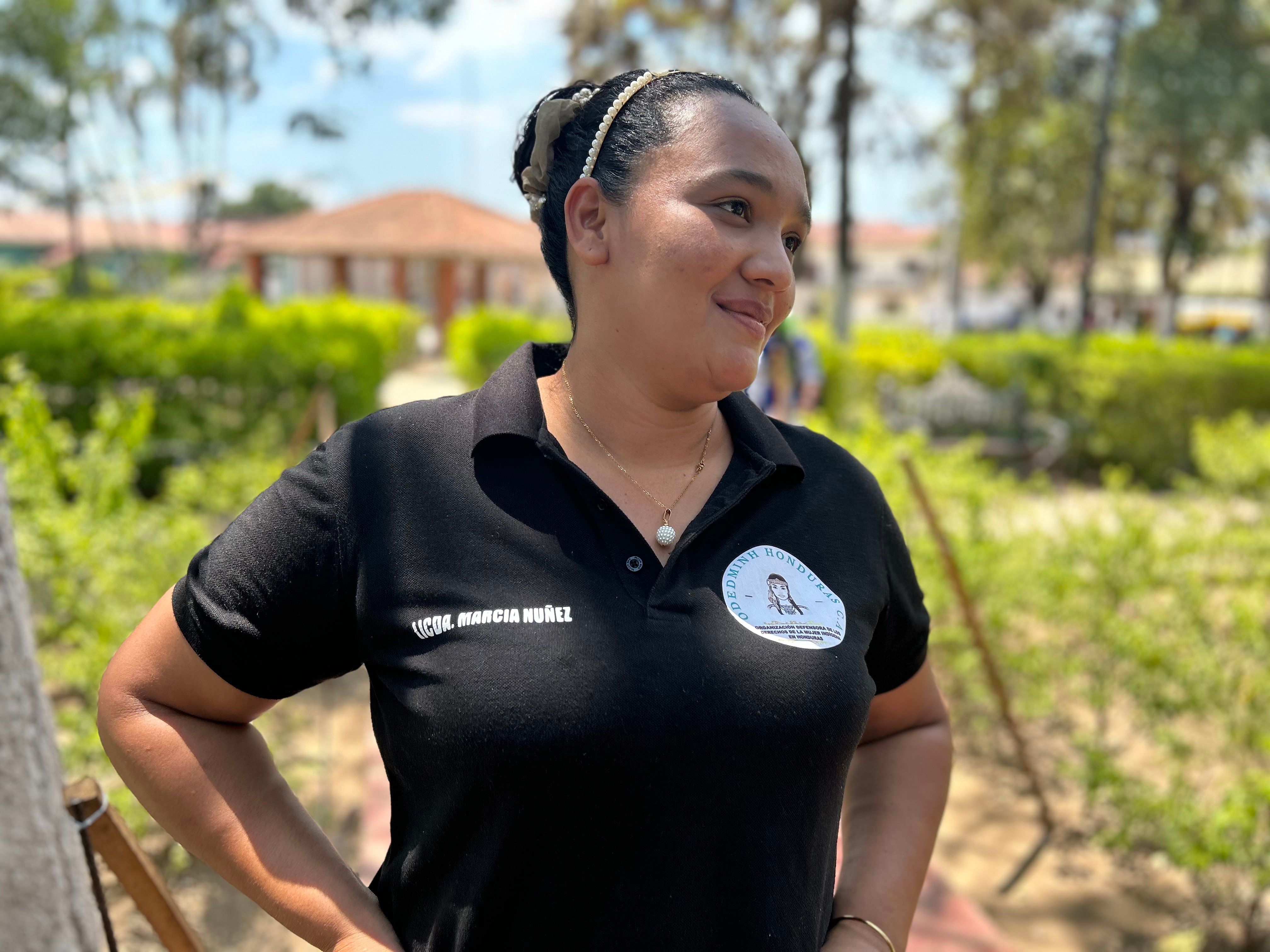
We spoke to Marcia Núñez, founder of ODEMINH, who has been leading the initiative with support from Education Out Loud partner Foro Dakar Honduras.
Malene Aadal Bo
Why is teacher salaries such a big deal for you?
“Yoro is a poor area, and the majority of its population are indigenous people from the Tolupán Community. Both the quality of education and general living conditions here are among the lowest in the country. Like many rural, indigenous communities in Honduras, we rely heavily on PROHECO teachers — the community-based teachers who work under contracts rather than permanent positions in the state system.
They’ve always been engaged and committed, but their salaries were very low and often didn’t arrive on time, which made it hard for them to make ends meet, even though they were doing the same work as teachers in the formal system.
We launched this advocacy campaign to improve salaries and conditions and thus ensure that teachers would want to come and stay in this area, so that our children will receive a proper education. We wanted their conditions equalised with those of the state-employed teachers.
And after intense advocacy, that’s exactly what happened: back in April, the government announced agreements with PROHECO teachers, earmarking roughly 3,700 million lempiras for teacher salary increases in the general budget.
That’s an immense win for us as an organisation, and for the communities not used to the government listening to them.”
How did you go about the advocacy?
“ODEMINH’s objective is to improve education and living conditions in impoverished communities. It quickly became clear that PROHECO teachers were the place to start. We were audacious enough to take on the job, but we knew we didn’t have enough experience in national advocacy — so we reached out to Foro Dakar Honduras, who offered us a lawyer, Pamela Velásquez. She’s been supporting us ever since.
Pamela walked us through the concrete process, step by step: first identify the problem, then identify the key stakeholders, then put together a proposal — because it needs to be written down to become real — and finally present it, first to the local government and then the national government. She also made sure our members were part of every step, not just kept informed.
That’s an immense win for us as an organisation, and for the communities not used to the government listening to them.
Marcia Núñezfounder of ODEMINH
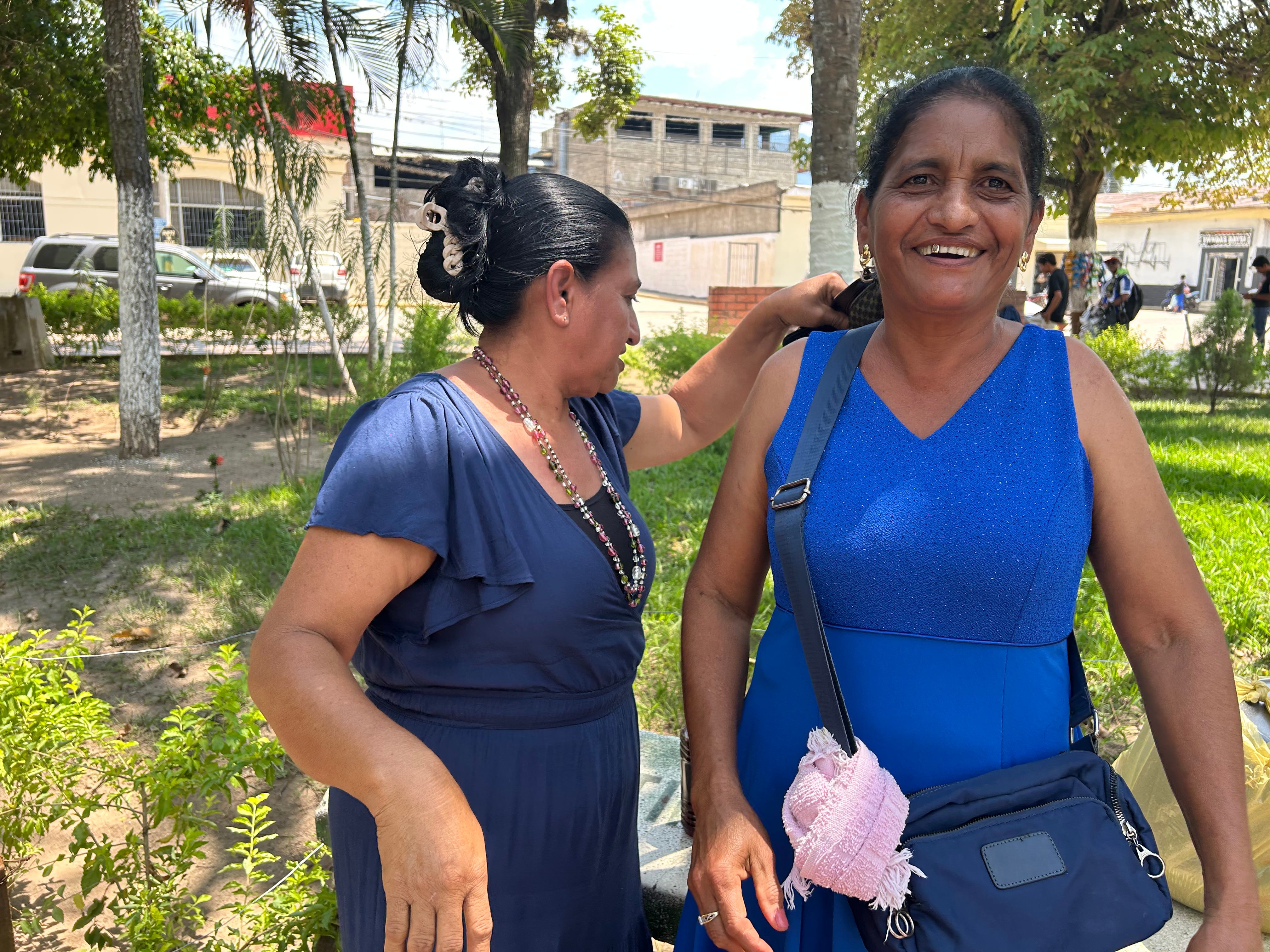
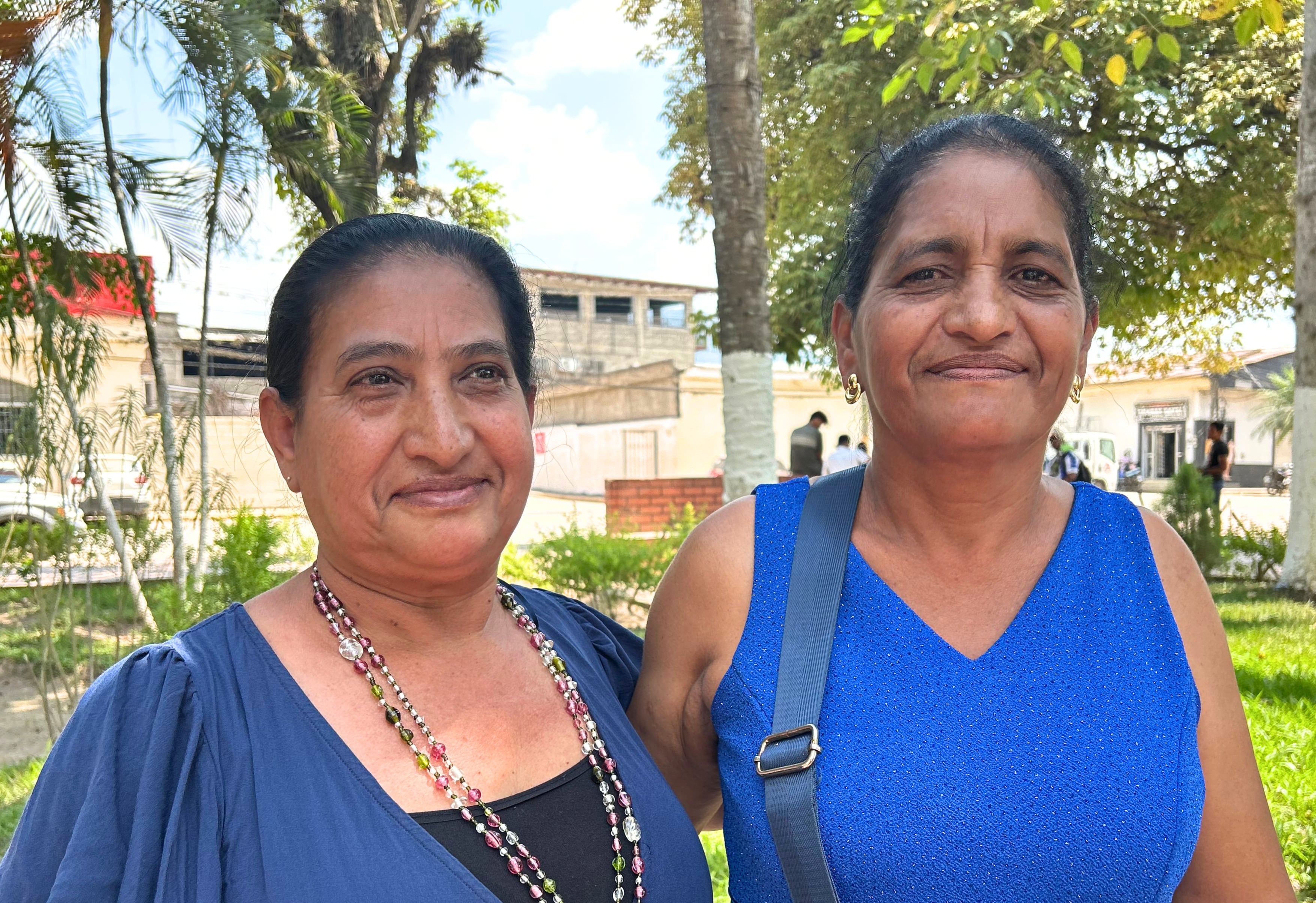
We are happy and fulfilled. I never went to school, but I really feel that education is the best inheritance we can leave our children.
Blanca Seferina Murillo Mejiamember of ODEMINH
We knew from the beginning that it would not be easy – that we would be pushing many people – but we had that goal to achieve so we were working though we were being rejected.
Pamela Velásquezlawyer, working with ODEMINH
The women in Yoro didn’t know they had the power to decide but after a while working together they realise that their input is valuable and that they have the power to change things.
In the beginning, many of the women were shy to speak up. But through workshops and training, more of them started sharing their experiences, and they could feel that what they said was being listened to and used.”
What has come out of it?
“Most concretely, the PROHECO teachers have now had their conditions raised to match those of the official system. For Yoro, with roughly 2,300 PROHECO teachers, this has been a very big win.
But it has meant just as much for the women themselves. Before this, they weren’t actively involved in solving issues related to their communities — now they participate, and they’ve learned to raise their voice to the authorities. Many have moved from feeling like people who ask for something, to people who make the change themselves.”
What’s next?
“Our main goal now is decentralisation — getting the responsibility and budgets for education moved closer to the municipalities, so we can address the problems in our own communities more directly. And to keep building the organisation, empowering our members to become agents of change.” eros ultricies tortor.