
Turning Voices into Policy: The Story Behind Uganda’s 12% Education Budget Rise
Uganda’s education sector is set for a major boost after Parliament approved a 12 percent increase for education. For a sector long affected by funding gaps, the rise offers renewed hope for millions of learners, particularly those with special needs or in underserved communities.
The news of Parliament’s approval of UGX 5.04 trillion for education in FY2025/26 first appeared in the budget committee report of May 2025 and the appropriations report before it was finally announced during the budget speech on 12th June 2025. The 5.04 trillion is a 12 percent increase from last year and a milestone that marks the country’s strongest commitment to education financing in years and follows a year-long advocacy campaign led by the Civil Society Budget Advocacy Group (CSBAG) together with like-minded civil society organisations with support from Education Out Loud.
For advocates who had spent months reviewing documents, engaging policy makers at all levels, and maintaining public attention on education financing, the confirmation marked a meaningful result of their sustained efforts.
“We are excited to see increased investment in education sector, and we thank the government for targeted allocations towards some key interventions in the sector,” says Musa Mugoya, Project Officer at Initiative for Social and Economic Rights (ISER) CSBAG’s Strengthening Public Accountability and Investment in Education (SPAIE) project consortium partner.
For a sector that has long faced serious funding gaps, the increase signals renewed hope for the 9.2 million learners, especially those in underserved communities and those with special needs.
A History of Underfunding and Systemic Strain
For decades, Uganda’s education spending has trailed regional and international standards, averaging just 2.3 percent of GDP since FY2018/19 far below the UNESCO minimum target of 6 percent. The sector’s share of the national budget has also remained below the 20 percent commitment of the Dakar Declaration and even fell to 8.4 percent in FY2023/24.
“These shortfalls have translated into significant strain across the system. Many schools continue to struggle with inadequate staffing, overcrowded classrooms, and dilapidated infrastructure,” says Musa Mugoya during the CSO presentation to Parliamentary committee on Education in April 2025.
A study on education financing done by CSBAG in 2024 revealed that the national pupil–teacher ratio stands at 1:61 against the recommended 1:53, while classroom congestion has worsened over the years. Special Needs Education remains severely underfunded, leaving thousands of children with disabilities without essential learning support, and inspection capacity remains extremely weak, with only 54 inspectors overseeing more than 12,000 schools.
This already stretched system carries additional pressure as Uganda continues to host more than 1.5 million refugees, many of whom require education services. Against this challenging backdrop, the new funding allocation is expected to ease some of the most urgent bottlenecks in the sector.
The 12 percent increase will support the rehabilitation of 31 special needs primary schools, improve staffing through recruitment of additional teachers and non-teaching staff, strengthen inspection by enforcing the Teacher Effectiveness and Learner Achievement (TELA) system nationwide, and improve access to learning materials, with the government aiming to reduce the textbook–to–pupil ratio from the current 1:15 to 1:3.
“These interventions represent concrete steps toward restoring quality and equity within Uganda’s primary education system. And they did not happen by chance. It is the result of sustained, coordinated, and evidence-driven advocacy by CSOs committed to ensuring that education financing remains a national priority,” says Katesi Najjiba from Uganda Society for Disabled Children, CSBAG’s consortium partner.
Education financing in the public debate
At the start of 2025, CSBAG convened members of the education coalition to analyse the National Budget Framework Paper and Ministerial Policy Statements. These discussions helped identify critical gaps and informed the development of evidence-based financing proposals, which were later presented to the Parliamentary Committee on Education. The coalition also organised high-level dialogues that brought together government officials, CSOs, academia, the private sector, subnational representatives and the media to deliberate on national and local government priorities. These dialogues kept education financing at the centre of public debate throughout the budget process.
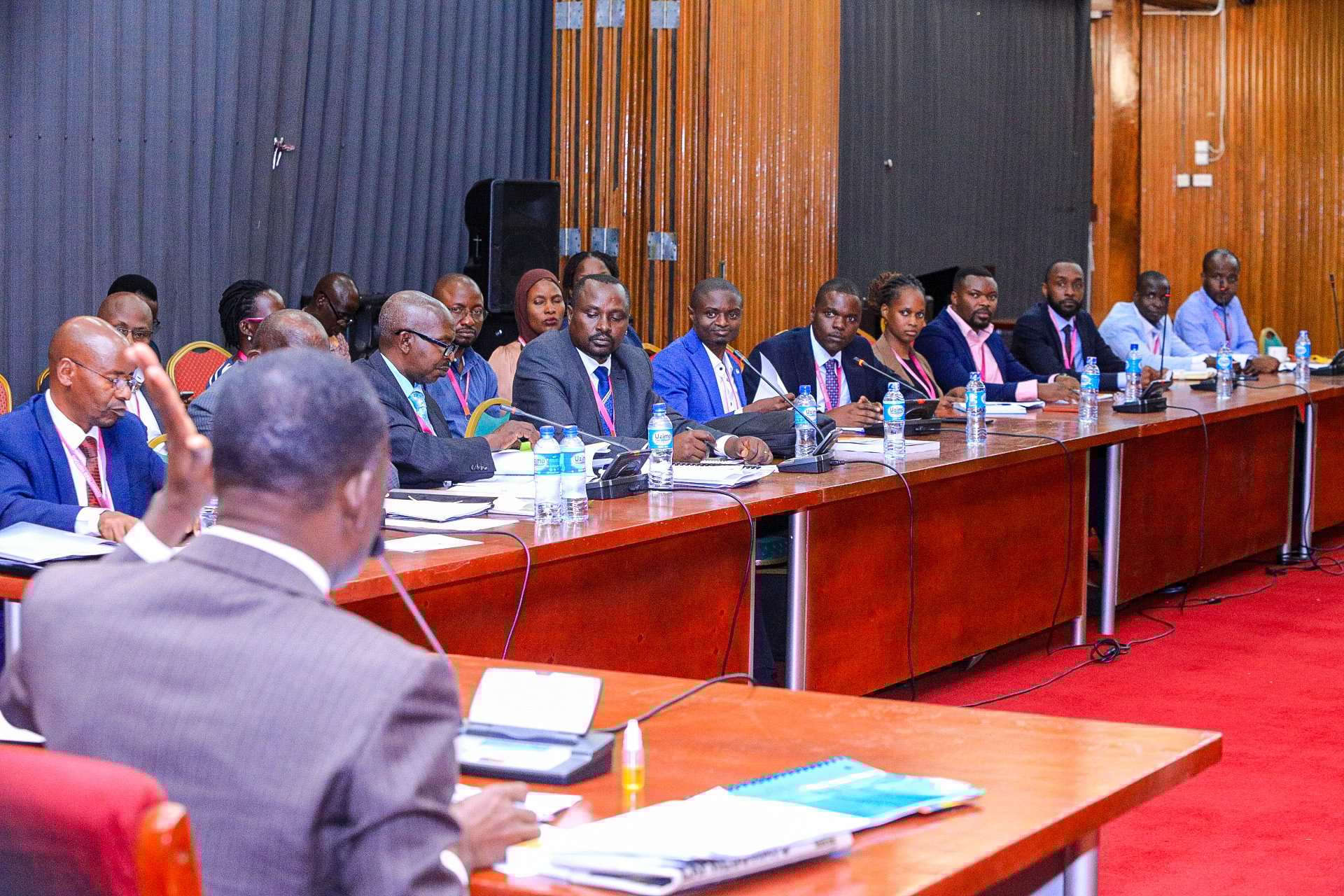
Direct engagements with Parliament proved especially influential. CSBAG mobilised education-focused CSOs to meet key committees, including Education, Budget, Finance, Gender, and Public Service. These meetings offered policymakers practical recommendations and strengthened their resolve to defend the sector during appropriations. In addition, a media campaign helped build public pressure for increased funding.
“Through national television appearances, radio discussions and widely shared press statements, we highlighted the persistent gaps in service delivery and emphasised the urgent need for action,” said Katesi Najjiba from Uganda Society for Disabled Children.
A Win for Collective Advocacy and National Commitment
The impact of these efforts was evident when Parliament approved the 2025/26 national budget.
Although this year’s increase in the education budget marks meaningful progress, Uganda’s allocation to the sector still represents only 7% of the national budget and 2% of GDP — well below international benchmarks of 20% and 5.4%, respectively. Therefore, education financing will continue to require sustained advocacy efforts.
“For many stakeholders, this win represents not just additional money, but a renewed sense of national responsibility toward learners. For CSOs, the win is a testament to the power of collective action and the importance of sustained evidence-based advocacy,” says Onyango Wilberforce the Monitoring Officer at CSBAG.