
The Women Turning Girls’ Education Policy into Reality in Liberia
The Women Turning Girls’ Education Policy into Reality in Liberia
By Beatrice Akello, Education OutLoud.
In communities across Liberia, activists working through the Educate HER coalition are ensuring that national commitments — notably the National Policy on Girls’ Education (NPGE) — do not remain on paper, but take root in homes, schools, and everyday community life.
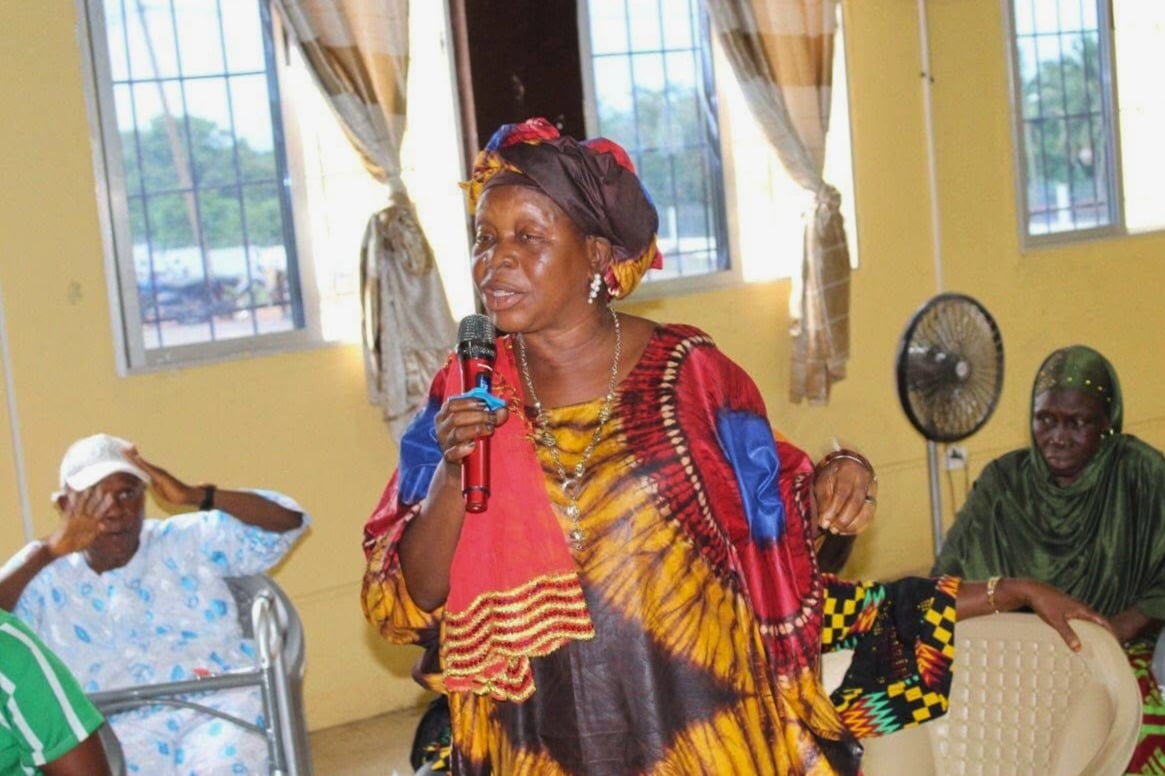
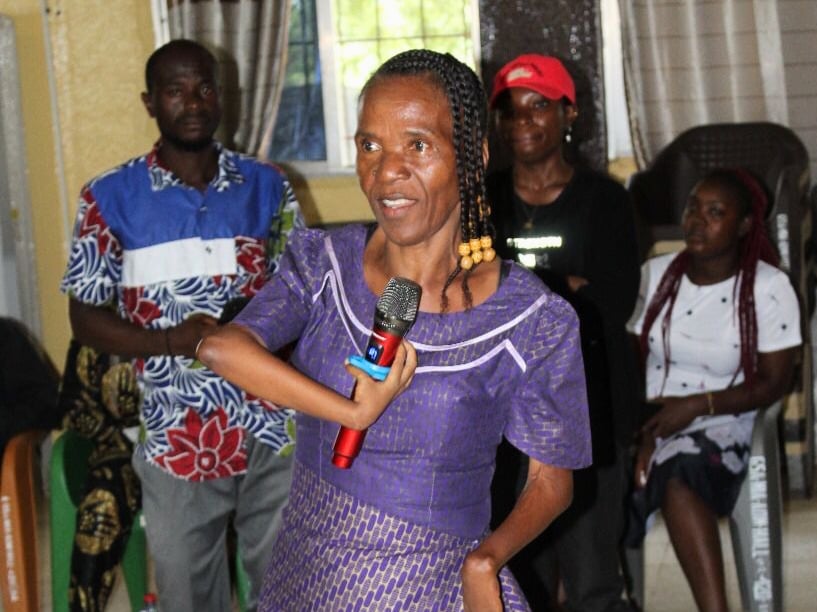
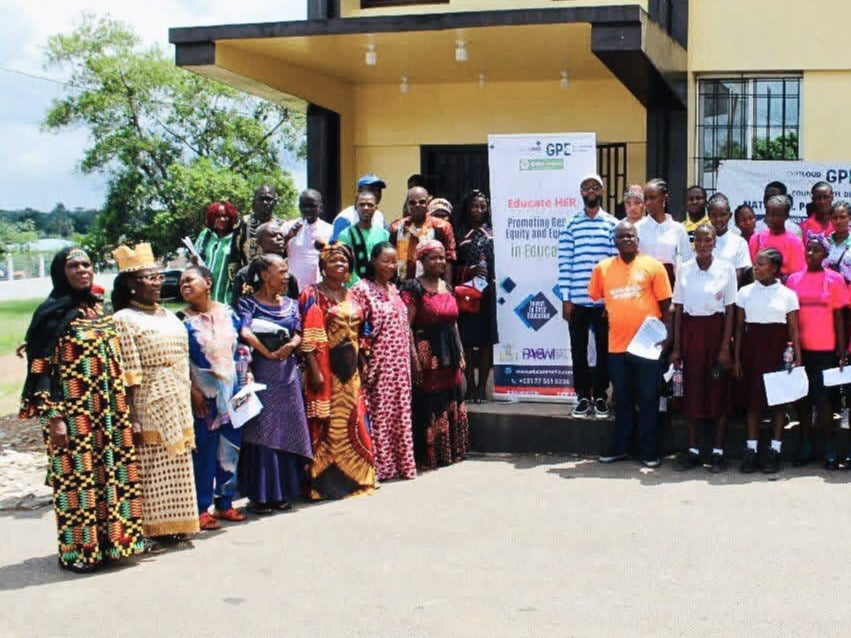
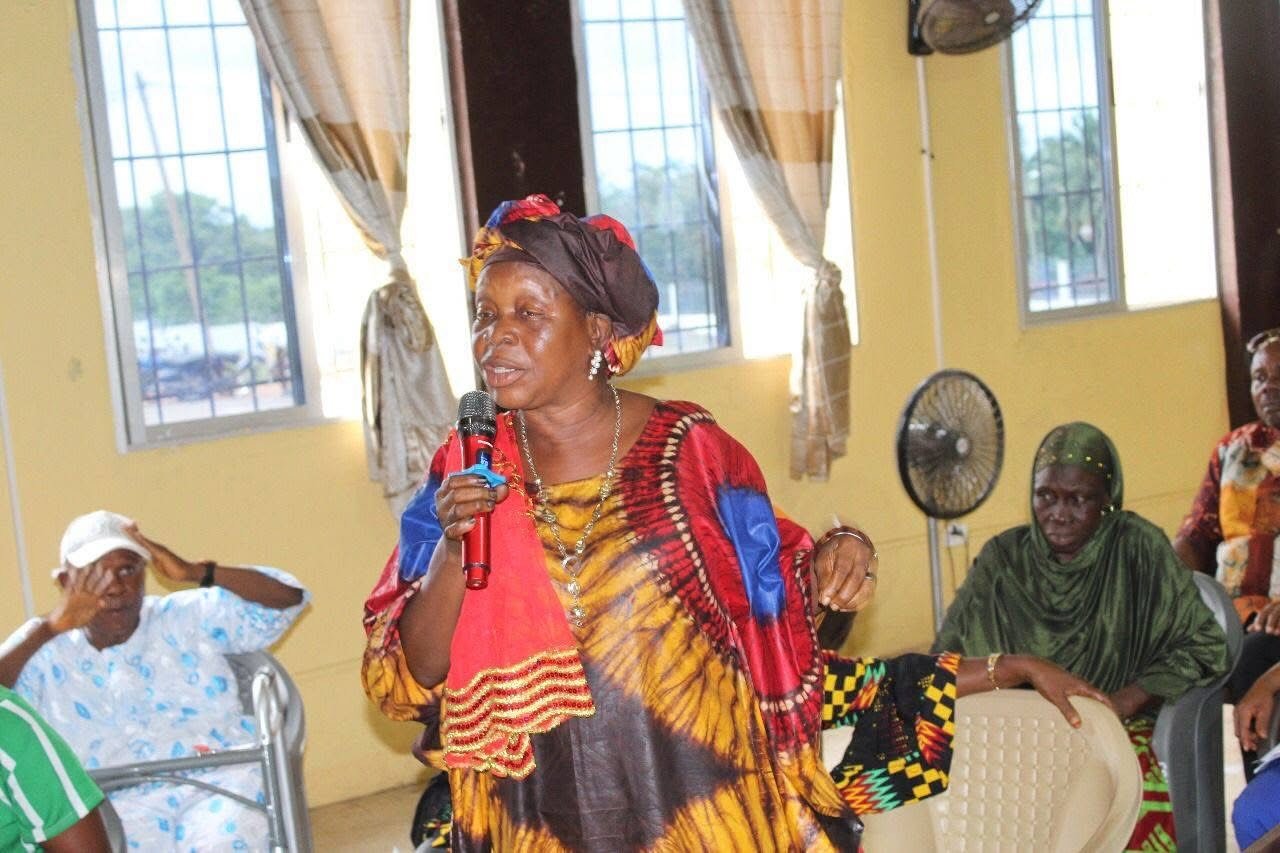
In a small community meeting room in Bong County, a group of women gathers to review school attendance lists and prepare for their next outreach. Their goal is simple but urgent: to ensure that every girl in their community knows her right to education — and that the system supports her to stay in school. “Change begins in small rooms like this, where women commit to making every girl count,” says Alice Garmo, Bong Women’s Group Leader.
These gatherings may be modest, but their impact is far-reaching. They represent‑ a shift in how girls’ education policies are understood — not as distant government documents, but as shared community responsibilities.
Building women’s leadership through Educate HER
Hawa C. Wilson, Program Coordinator at the Paramount Young Women initiatives /Educate HER Consortium, explains that these women’s groups joined the initiative in 2024 through a deliberate community engagement and empowerment strategy. Designed by Educate HER, the approach helps women-led community-based organizations (CBOs) overcome bureaucratic barriers that often limit their access to project funding and ‑decision-making‑ spaces.
The Educate HER coalition comprises approximately 30 civil society organizations, including women’s rights groups, media institutions, and male and female allies committed to gender-responsive education advocacy. It’s important to note that the Educate Coalition also includes male-led national and community organizations. We understand the crucial roles men play in the education and protection of girls, so our programming intentionally involves men and boys as allies. This includes community conversations that challenge harmful gender norms and specific activities that encourage male stakeholders, fathers, community leaders, and male teachers to support girls’ access to safe, quality education actively, says Alfreda Foboi Nmah.
Early stakeholder consultations revealed a clear pattern: women especially mothers, caregivers, and young women leaders — play a critical role in shaping girls’ education outcomes. Yet these same women are often marginalized in community decision‑making.
The approach of strategic partnering with local women’s groups is not just implementing a national policy — it is decentralizing its power, making it a lived reality owned and enforced by the very communities it seeks to uphold.
Alfreda Foboi NmahProject Lead of the Educate HER project
Change begins in small rooms like this, where women commit to making every girl count.
Working on policy advocacy is not about speaking for girls today or replacing their voices. It is about amplifying girls’ rights and ensuring that their voices are not silenced.
From our counties to our classrooms, we are building a movement that ensures every girl’s dream has a seat at the table. Together, we are shaping a future where every girl learns, leads, and lifts her community,” said during the dialogue.
To address this gap, the consortium supports women’s groups across 15 counties, positioning them as local partners in implementing education policies and supporting girls’ attendance and retention.
“Working on policy advocacy is not about speaking for girls today or replacing their voices. It is about amplifying girls’ rights and ensuring that their voices are not silenced,” says Berttee Montserrado, women’s leader, Montserrado County.
Women’s groups as strategic community partners
Alfreda Foboi Nmah describes how women’s groups were onboarded through a structured process that included community mapping and the identification of women’s associations, women‑led organizations, and mother groups as key actors in keeping girls safe and in school.
The process brought women together to identify barriers to girls’ education and co‑create practical solutions. It also provided training on project goals, safety, advocacy, group organizing, and reporting.
“We see that the involvement of women’s groups has greatly strengthened the Educate HER Initiative by driving community mobilization, advocating for girls’ rights, identifying at‑risk girls early, and creating safe spaces that support their confidence and learning,” Hawa Wilson explains.
Between April and June 2025, Educate HER women’s groups recorded significant progress across Liberia’s 15 counties. Through direct engagement with schools and local stakeholders, they increased accountability and helped secure the endorsement of campus‑based WASH and school safety policies by Parent‑Teacher Associations and school boards.
“Consequently, girls’ attendance and retention in school have improved, protection mechanisms have been strengthened, and communication between parents and schools has improved. Communities now take greater ownership and accountability for supporting girls’ education,” Hawa C. Wilson asserts.
From community support to individual transformation
For young women like Lydia, a student at Lekakpaye Public School, this support has been life‑changing. After becoming pregnant while in school, Lydia dropped out. With steady encouragement from her local women’s group, she returned to school after giving birth and now hopes to become an accountant. She describes the women supporting her as “eye openers” — not only for girls, but for families and communities learning to see education as a shared responsibility.
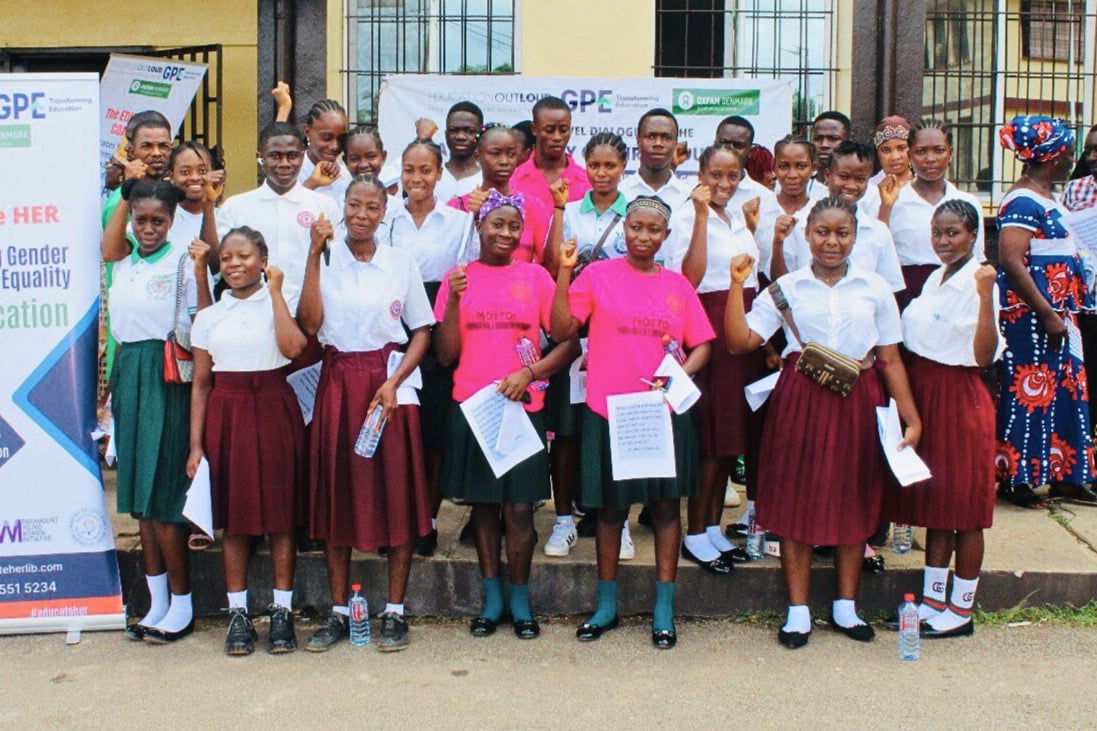
At a county‑level dialogue in Bong County, participants identified clear next steps: sustained community awareness, stronger involvement of teachers and parents, the establishment of girls’ clubs in schools, improved collaboration among stakeholders, and better use of data to inform decisions. Students themselves are also taking action — launching school‑based initiatives to help girls stay in school and challenge discrimination.
“From our counties to our classrooms, we are building a movement that ensures every girl’s dream has a seat at the table. Together, we are shaping a future where every girl learns, leads, and lifts her community,” said Hawa C. Wilson during the dialogue.
From policy to system‑wide change
- Liberia’s National Policy on Girls’ Education (2021–2026) aims to give girls o affordable, quality education and promote gender equity and equality across the education system. It sets out roles and responsibilities for government and partners to address social and cultural barriers, improve access, attendance, retention, and completion, and strengthen girls’ rights and protection.
- As Liberia prepares for the next phase of the National Policy on Girls’ Education (NPGE), policy renewal alone is not enough; what is needed is a multi-layered approach that bridges national commitments with community realities. The parallel schooling model, where traditional leaders harmonize bush school calendars with formal schooling, is a powerful, scalable solution. It removes the either/or burden placed on girls and their families, respects cultural identity, and protects educational continuity.
- The upcoming policy phase should focus on sustained funding linked to clear outcomes, stronger collaborations with communities and traditional leaders, investment in school safety and WASH infrastructure, and a comprehensive monitoring system that tracks not just enrollment but also retention, learning, and graduation rates. A well-defined transition plan must also be established to avoid any gaps between the current policy’s expiration and the new framework.
- Since becoming a GPE partner in 2007, Liberia has received over US$97 million in GPE grant support to address gender disparities, over‑age enrolment, school‑related gender‑based violence, and weak learning environments.
- In parallel, through Education Out Loud GPE supports Educate HER in engaging in education policy dialogue, advocating for the implementation of the National Policy on Girls’ Education, and holding education stakeholders accountable.
- Together, community leadership, civil society advocacy, and system‑level reform are helping ensure that commitments to girls’ education in Liberia move beyond policy — and become a lived reality for girls, families, and communities.