
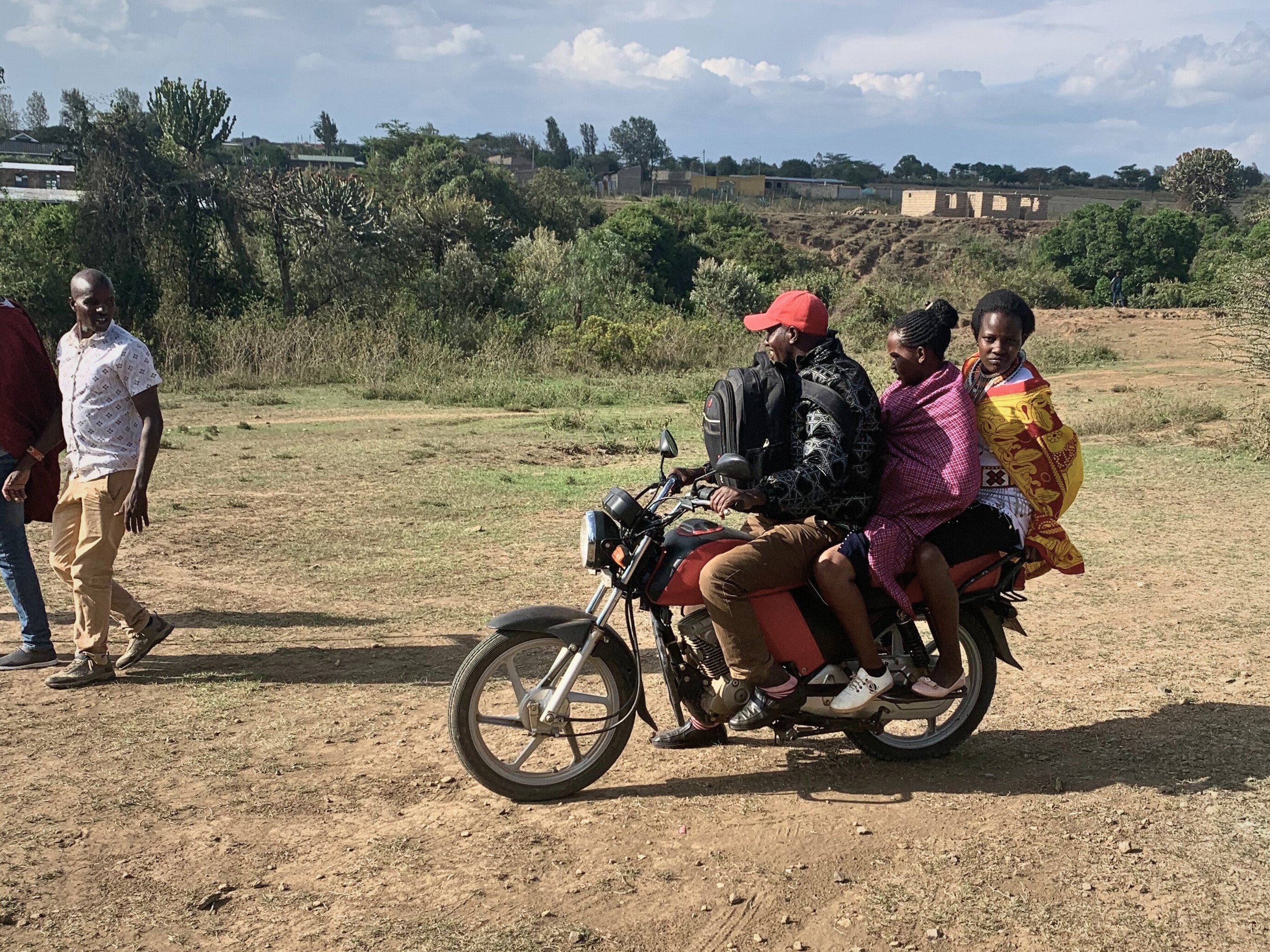
On the Rough Roads to Rescue: How Girls in Narok Find Their Way Back to School
On battered roads and against deep-rooted traditions, local advocates fight to bring girls safely back to school. Travel with us to Narok in Kenya, where Elimu Yetu members are combatting forced marriages and discrimination against women and girls.
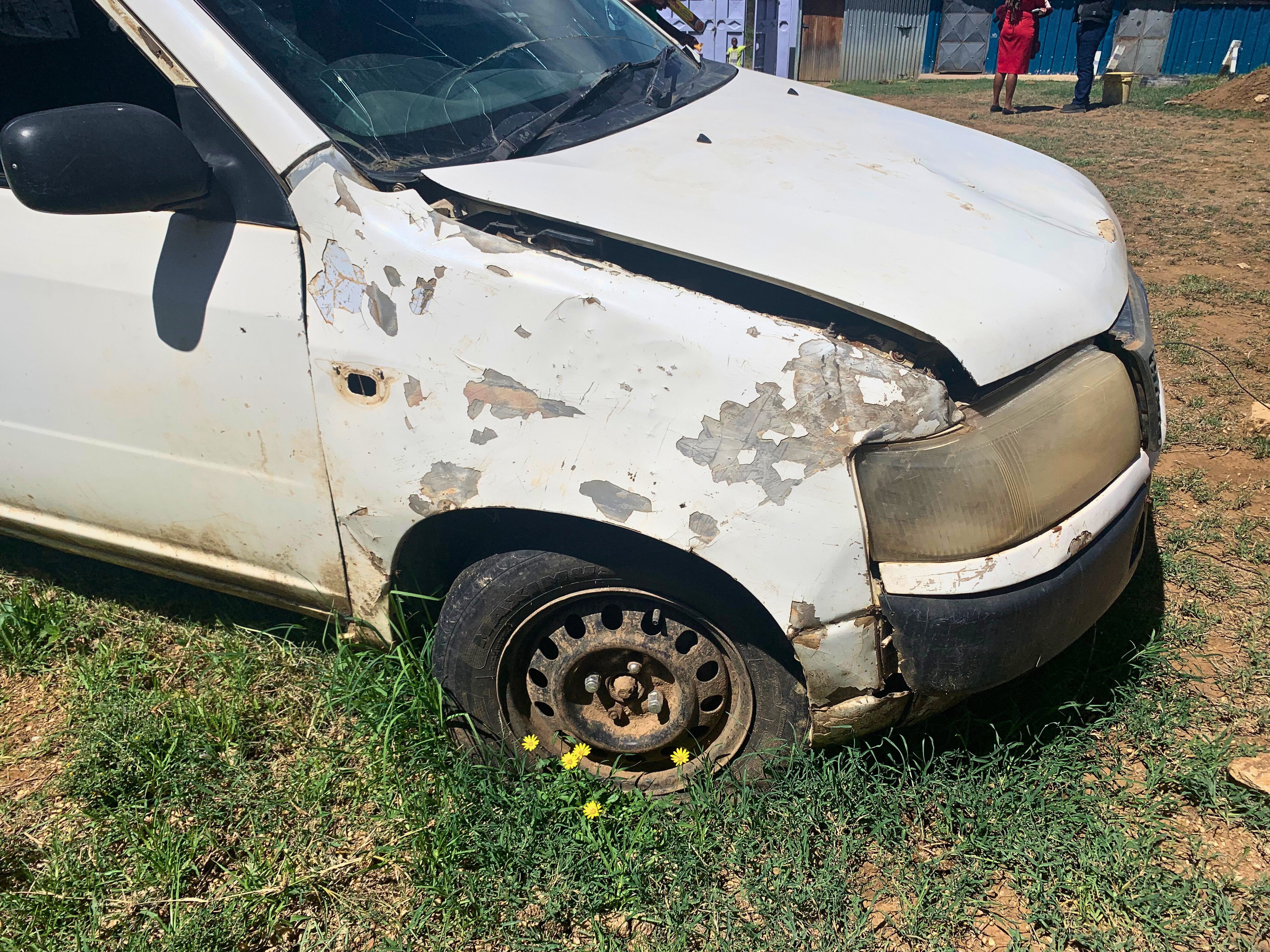
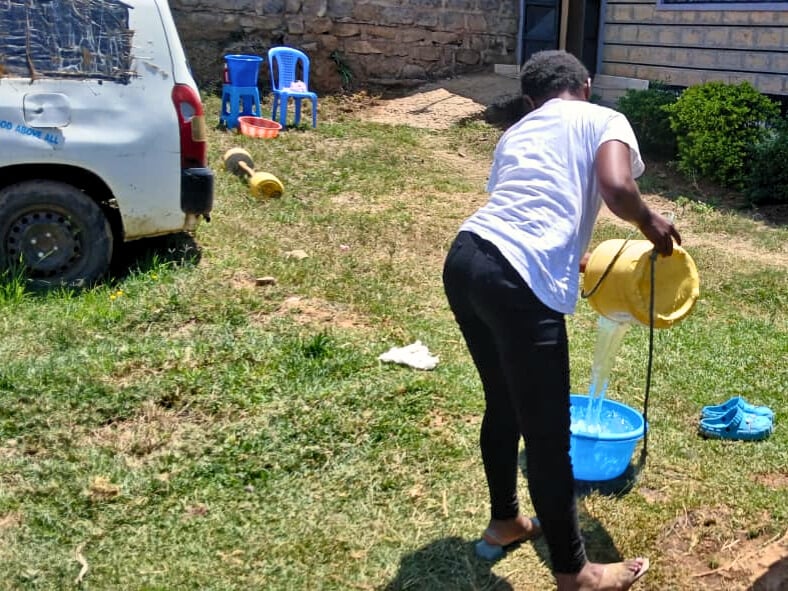
The grass around the battered car stands tall, as if confident that the broken window and flat tires will prevent it from paving paths through the stalks anytime soon.
“I am afraid the last mission broke it for good,” says Susan Kasero, her hand resting on the scarred hood.
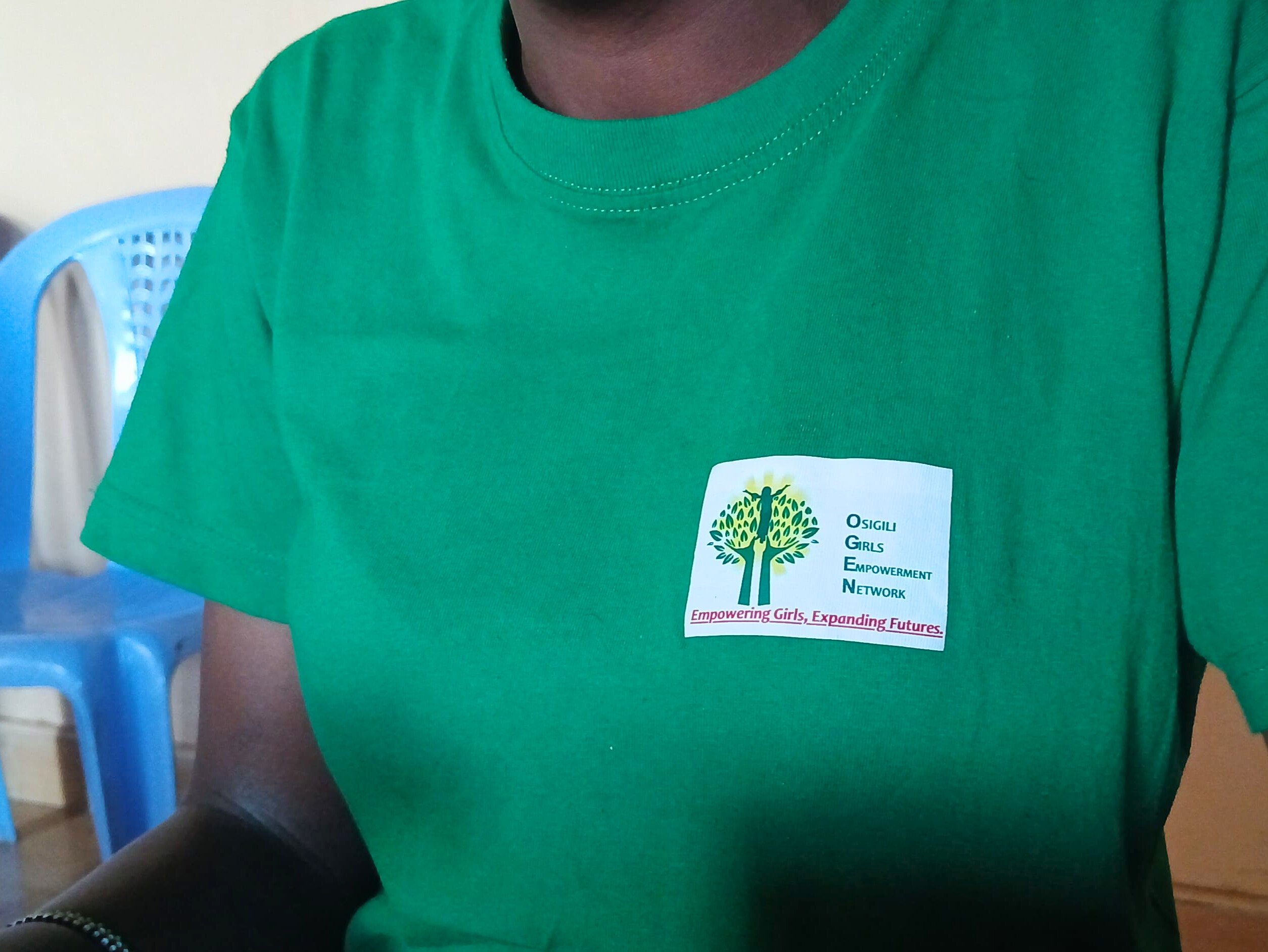
Susan Kasero is the founder and CEO of Osiligi Rescue Empowerment Network, which is a civil society organisation and a rescue center for girls in danger of circumcision or forced marriage in Narok. Not too seldom, her work entails nightly drives on rough roads to reach and rescue a girl in distress.
“We go to the community, we pick the girl, and we bring her here. We do it often and many times we get to save the girl,” says Susan Kasero. But sometimes they don’t, because even when they have a policeman with them, the community will often oppose Susan and her colleagues taking the girl with them. “That’s how the car got the bruises and the broken glass,” says Susan Kasero.
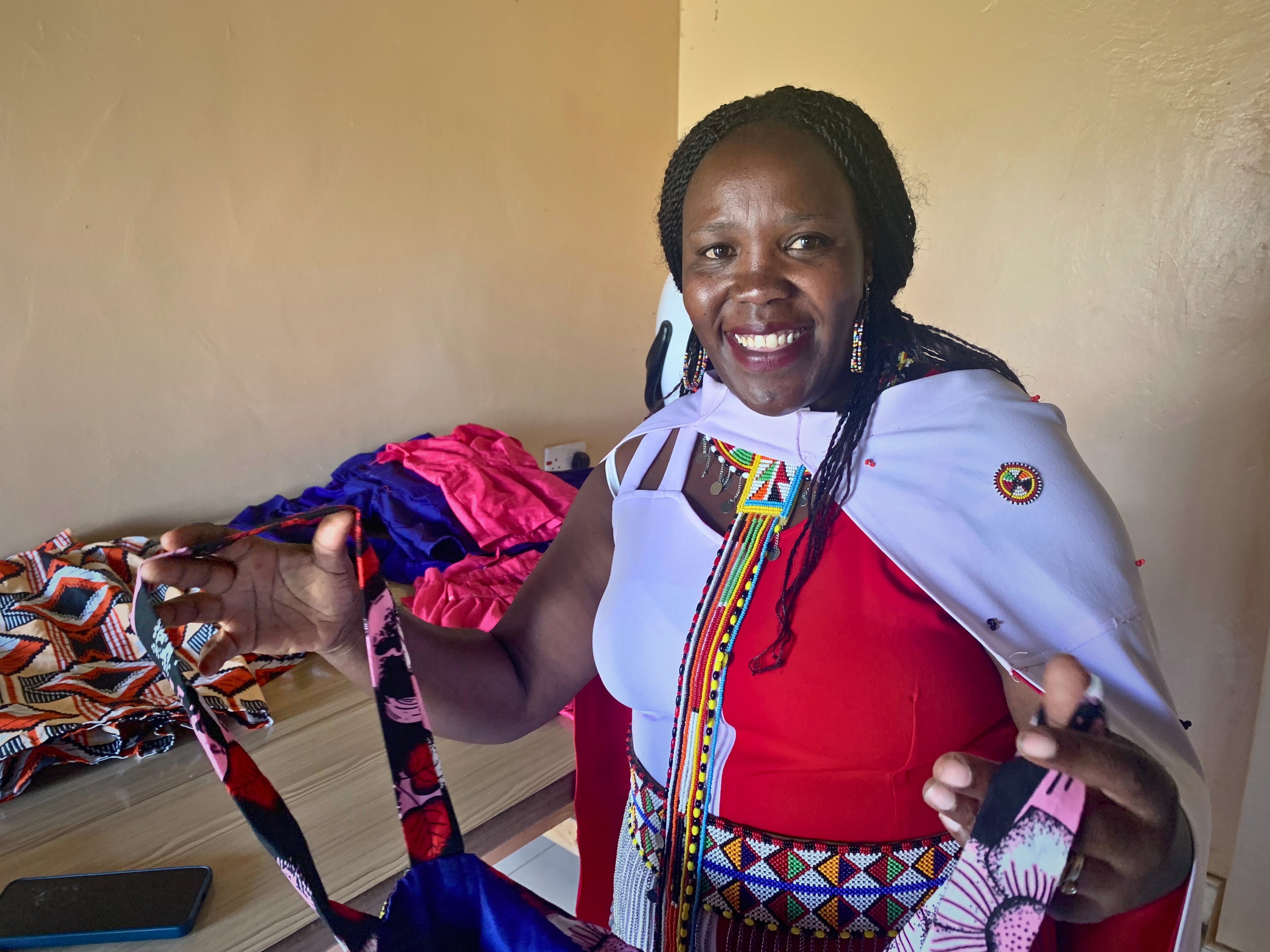
She gestures in frustration, making all the pearl embroidery on her beautiful Maasai attire clink. She mourns every case where she has not been able to help – where a young girl has gone through FGM or has been married off against her will. She saw it happening to her own sister when they were very young. She used to see it happening to her classmates in secondary school, who disappeared one by one until they were only three girls sitting for exams.
“There is still this idea in this and other communities that girls don’t need education. That their path is to get the cut and marry very young. I see how much pain and harm that leads to, and therefore I started Osiligi Rescue Empowerment Network,” says Susan Kasero.
A Place of Safety — and Preparation for What Comes After
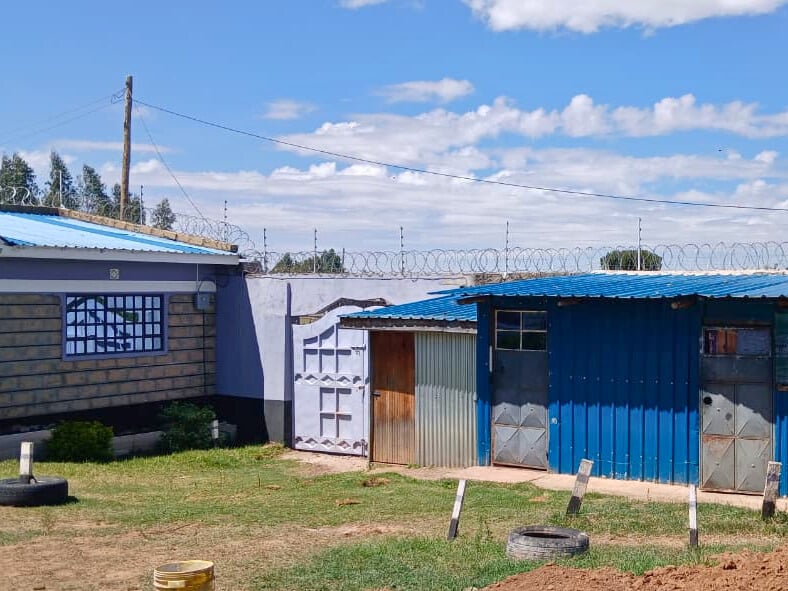
Osiligi means hope, and the organisation is working as part of the national education coalition, Elimu Yetu, supported by Education Out Loud, to eliminate the harmful practices that deprive girls of their rights to safety, dignity, and education. The base for the work is the compound with the beat-up car. It is a plot of land surrounded by a high brick wall and with locks on the solid gate. One side is the wooden barrack with a total of 15 bunk beds and small chests to store personal belongings. Another is a larger brick building with a common room for eating and socialising, two rooms where the girls learn sewing, braiding, and beadwork, and an office from where Susan reaches out to all levels of society to advocate for change.
“We can save the girls from an acute danger, and we can offer them six months of skills training, healing, and empowerment. But eventually they must go back to society, so I work hard to ensure that that society is changing,” Susan Kasero says.
The ratification of the re-entry policy was a big success for us. But the real work is happening here on the ground, where Elimu Yetu members such as Osiligi are working with counties, communities and government officers to make sure the actual steps are taken that allow girls to re-enter school.
Joseph WasikhongoNational Coordinator, Elimu Yetu Coalition
I blame myself for leaving school and starting a family so young. But I also blame those who keep us in ignorance and push us when we are too young to know anything.
Nash17 years old, mother of two and student at Osiligi Girls Rescue Center.
More girls now know they can return to school, supported by the re-entry guidelines and other national initiatives. This is partly due to the cooperation between government and civil society — we plan together, share responsibilities, and they help us implement the policies on the ground.”
Agnes NgemoState Department Representative in Narok County.
We are passing that information and many are realising that education is important for the girls as well. More are now against FGM and marrying early.
TysonLiving in Narok and supporting the work of Osiligi.
We can save the girls from an acute danger, and we can offer them six months of skills training, healing, and empowerment. But eventually they must go back to society, so I work hard to ensure that that society is changing.
Susan KaseroCEO Osiligi Rescue Empowerment Network
Beyond Rescue: Changing the World Girls Return To
With support from other members of the Elimu Yetu coalition, Osiligi Rescue Empowerment Network reaches out to the family and local leaders of the community to reconcile the families and ensure that they understand and respect the rights and wishes of the girls.
They also work with local authorities to ensure that the legal framework protects the rights of the girls and to ensure, for instance, that schools support girls’ education and allow them to return even if they have been married or have given birth.
“We work hard to eliminate teenage pregnancies and harmful cultural pregnancies that are jeopardising the rights of the girl child. We are very appreciative of the inputs we are getting from civil society, when shaping policies or finding solutions to pressing issues. They hold us accountable and tell us what works and doesn’t work. And together we discuss how to move forward,” says Mr. Antony Makori, Narok County Director from the State Department of Education.
Changing Norms, One Household at a Time
Finally, Susan Kasero and her colleagues work with the wider community to encourage them to change their perception of girls’ role in society – work that has been particularly successful since the inclusion of male ambassadors to spearhead the change.
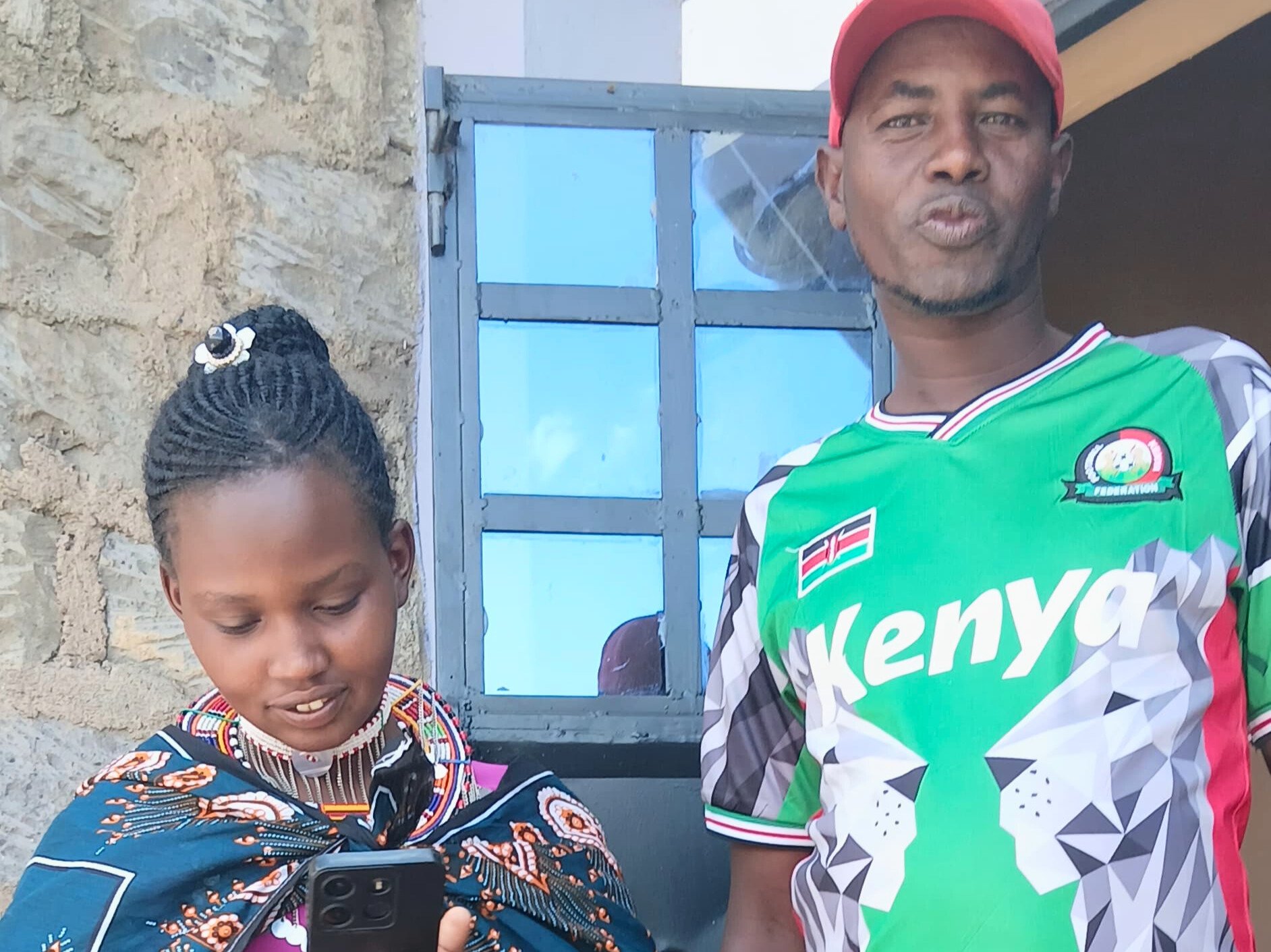
Some of these male ambassadors are at Osiligi today, visiting with their wives, all of whom are current or former candidates of the vocational training program offered at Osiligi as a bridge or substitute for formal education.
“I was told by one of my friends that there was a school within Narok where the girls who are not educated can come. So, I decided to bring my wife here. Now when there is a problem, she can solve it herself because of the skills and knowledge she has gained,” says Fabian.
“And as others are seeing the fruits of it, they have stopped saying that I am less of a man for cooking and tending to the kids,” says Tyson, who learned about Osiligi from Fabian and offered his wife the chance to go, while he himself took over the responsibility for their home and two young children.
As well as firsthand experience with the benefits of education, Fabian and Tyson have attended trainings and meetings and gained knowledge that they are now passing on to their community.
“We are passing that information and many of them are realising that education is important for the girls as well. More are now against FGM and marrying early, and three men from the community have wives who have gone for further education – one as far as Nairobi, where she is studying to become a doctor,” says Tyson.
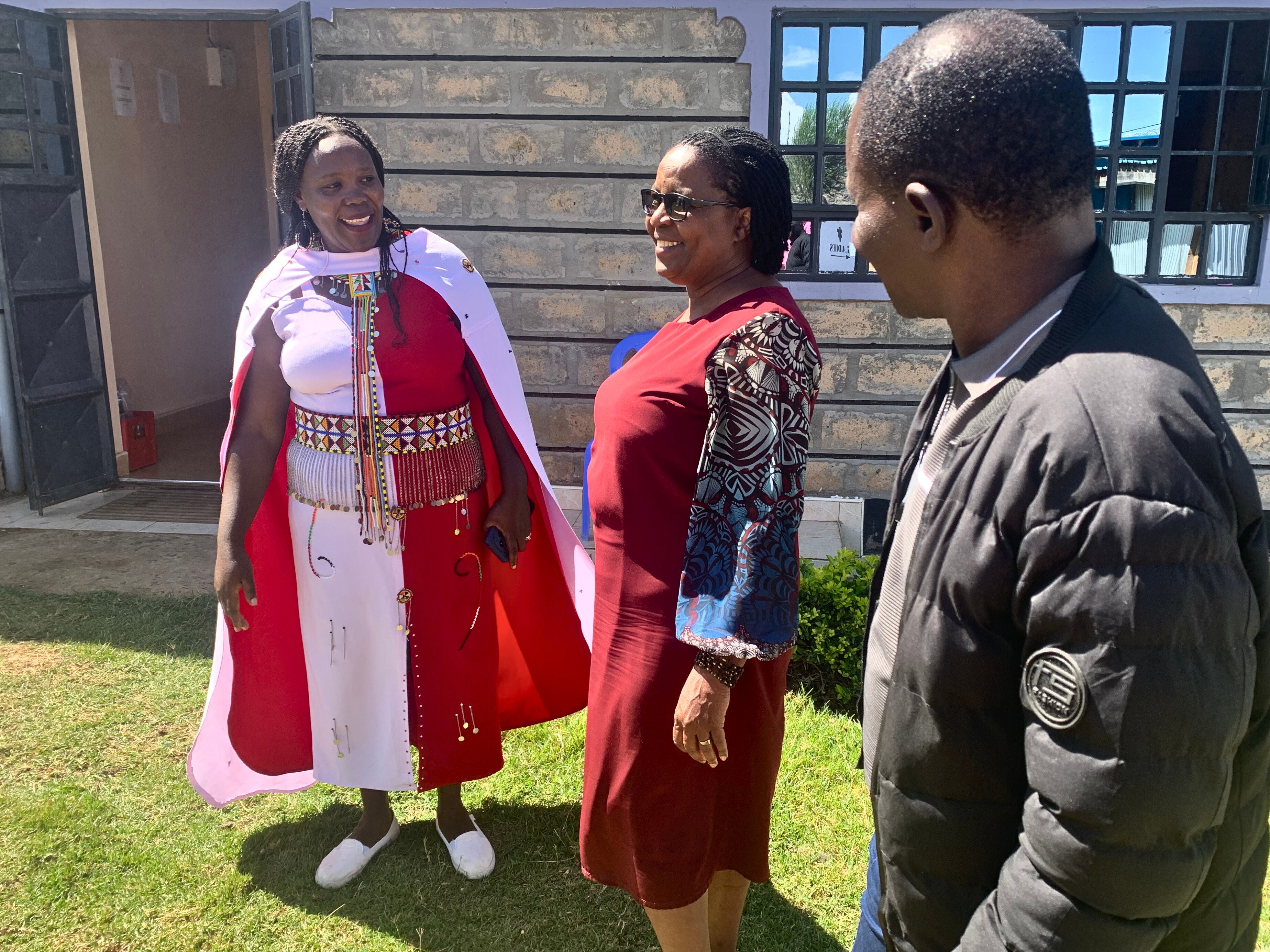
Susan Kasero nods as she hears the experiences from the male visitors. Despite the urgent calls that still come in from girls in distress and the nightly rescue missions that remain essential, she too feels the winds of change.
“The advocacy work in communities and among local leaders to speak against FGM and early marriage practices is taking root. Families are welcoming back daughters who once would have been rejected, and men who once vowed never to marry an uncircumcised girl now stand alongside Osiligi as volunteers. Those are signals of real progress,” says Susan Kasero.
FGM
- World Health Organization (WHO) defines Female Genital Mutilation (FGM) as “all procedures involving partial or total removal of the female external genitalia or other injury to the female genital organs for non-medical reasons.” It is internationally recognised as a violation of human rights as it can cause serious health complications, including severe bleeding, infection, problems in childbirth, infertility, and long-term psychological trauma
- In many communities, FGM is viewed as a “rite of passage” that marks a girl as ready for adulthood — and thus “eligible” for marriage. Once a girl is circumcised (cut), she often faces social pressure or expectation to leave school and get married, increasing risk of early pregnancy and curtailing her educational opportunities.
- According to a 2020 country profile by UNICEF (drawing on national survey data), about 21% of Kenyan women aged 15–49 have undergone FGM. Prevalence varies drastically depending on ethnic group, region and rural/urban residence.
- Among the Maasai, who are a major community in Narok County, the prevalence remains very high around 78%. According to a 2025 report, in some villages in Narok, the FGM “rate is as high as 99%.
- As recently as 2025, Narok County has adopted an “Anti-FGM Policy Implementation Matrix,” signalling official recognition and a coordinated commitment to ending FGM at county level.Peer organizations, organizational development practitioners, research institutions or consultants that support learning among grantees.