
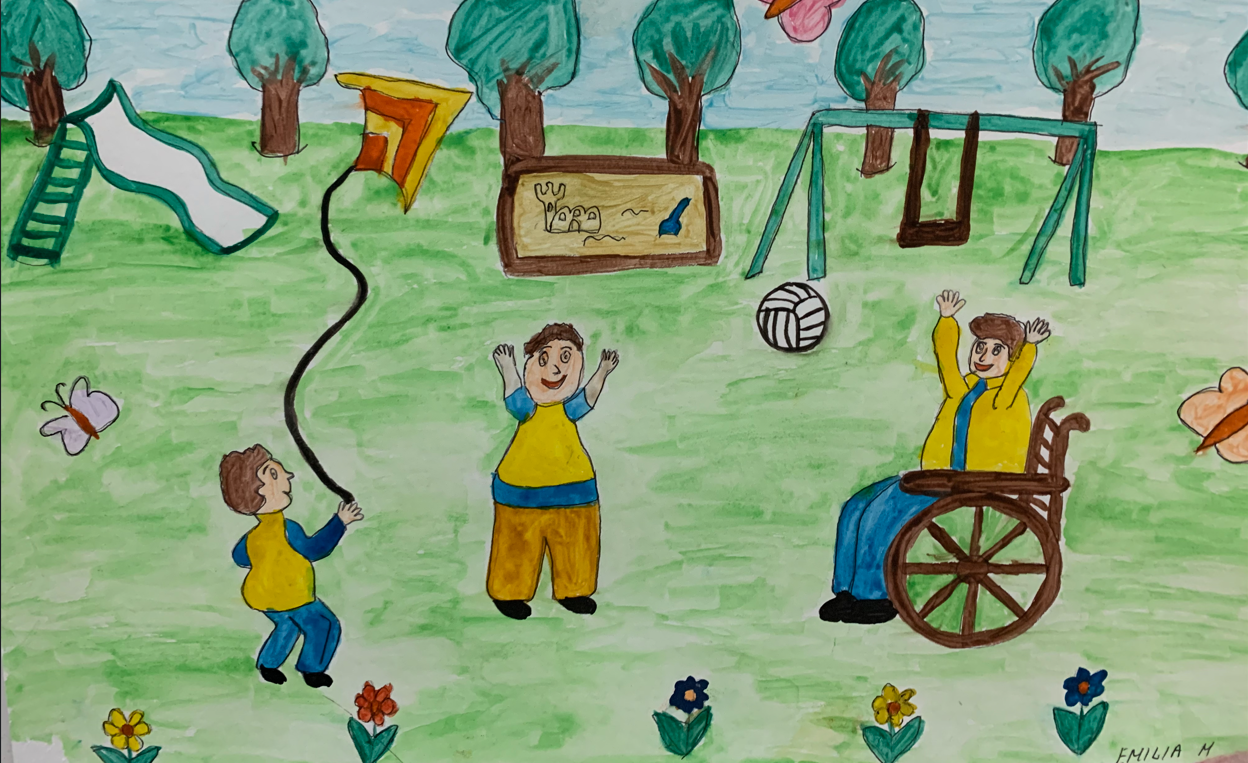
Moldova’s Children Step Out of the Shadows as Inclusion Takes Root
Since 2011, Moldova has had an inclusive education policy aimed at ensuring that all children learn in mainstream schools. Turning this commitment into reality has been far from easy, but the national coalition APSCF is advancing the agenda through evidence, advocacy and the visibility created by a colourful award show.
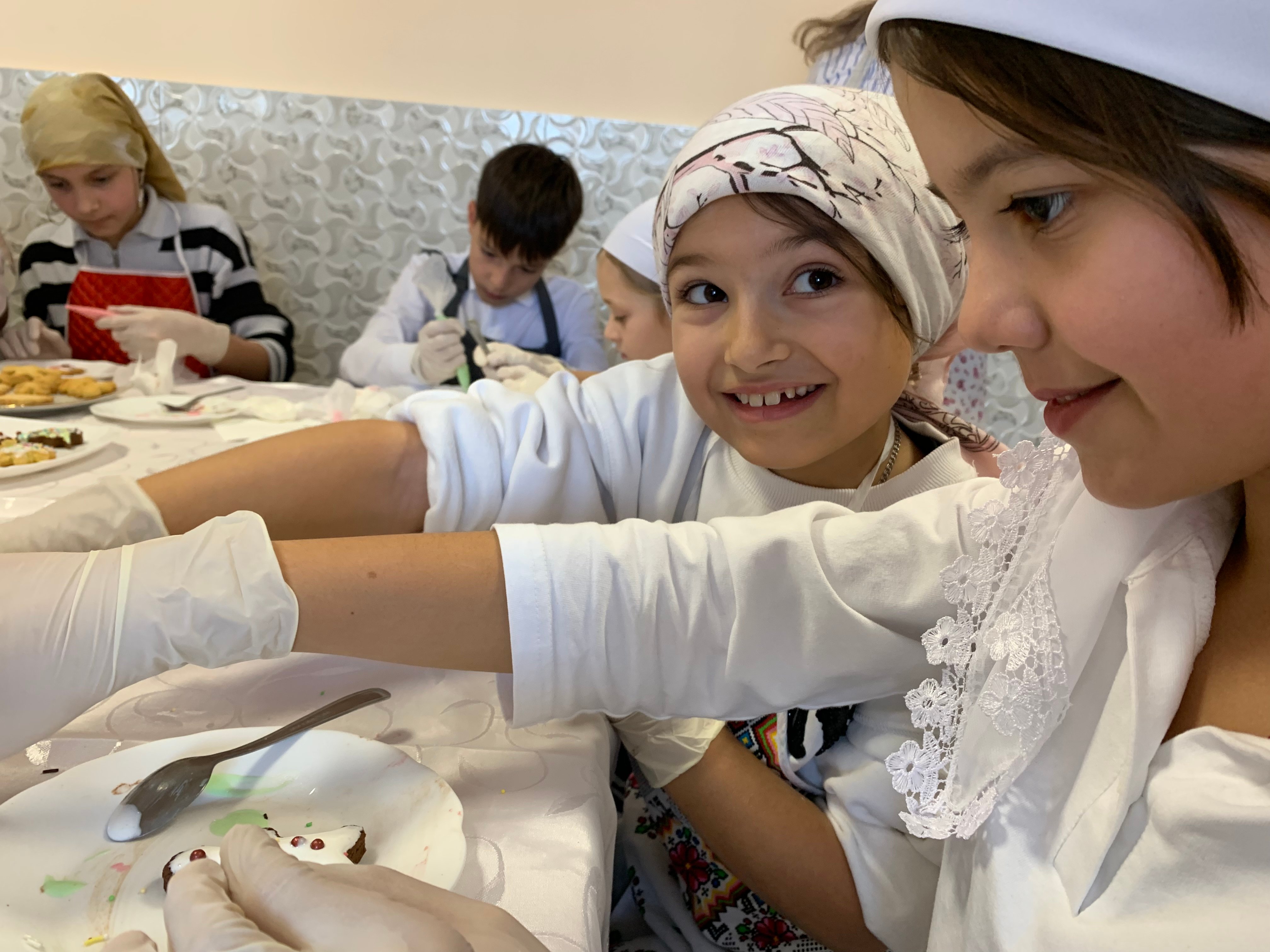
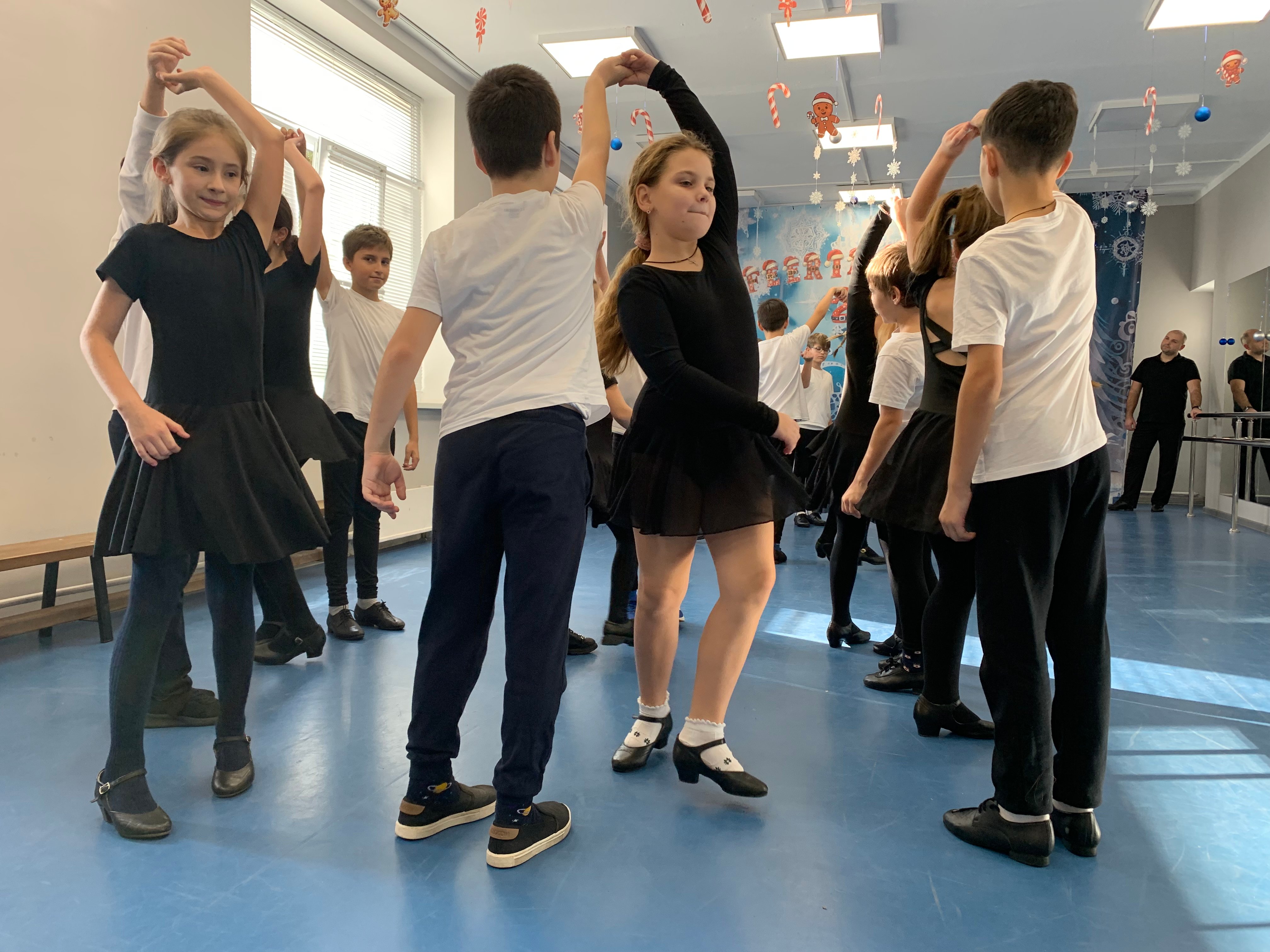
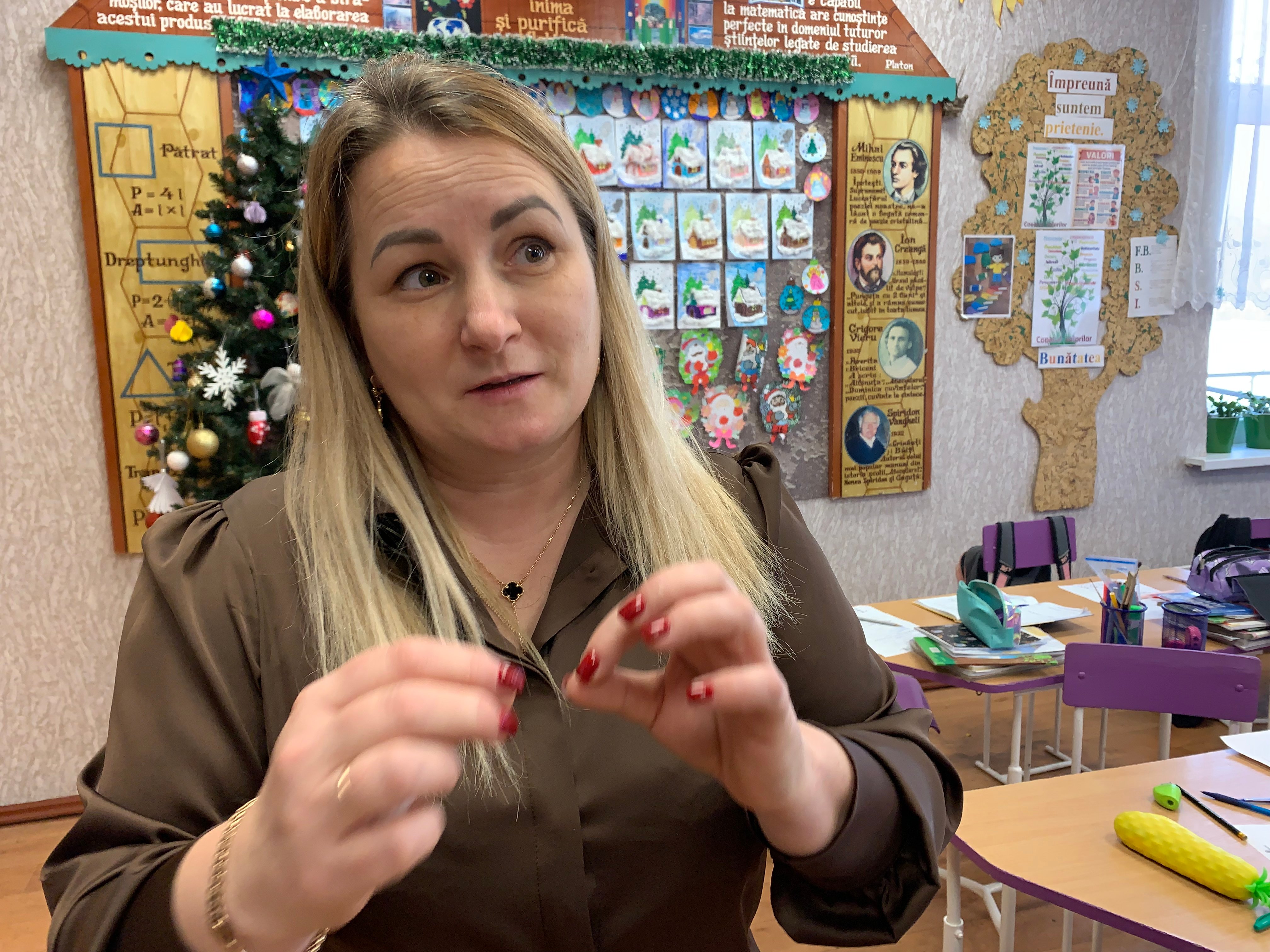
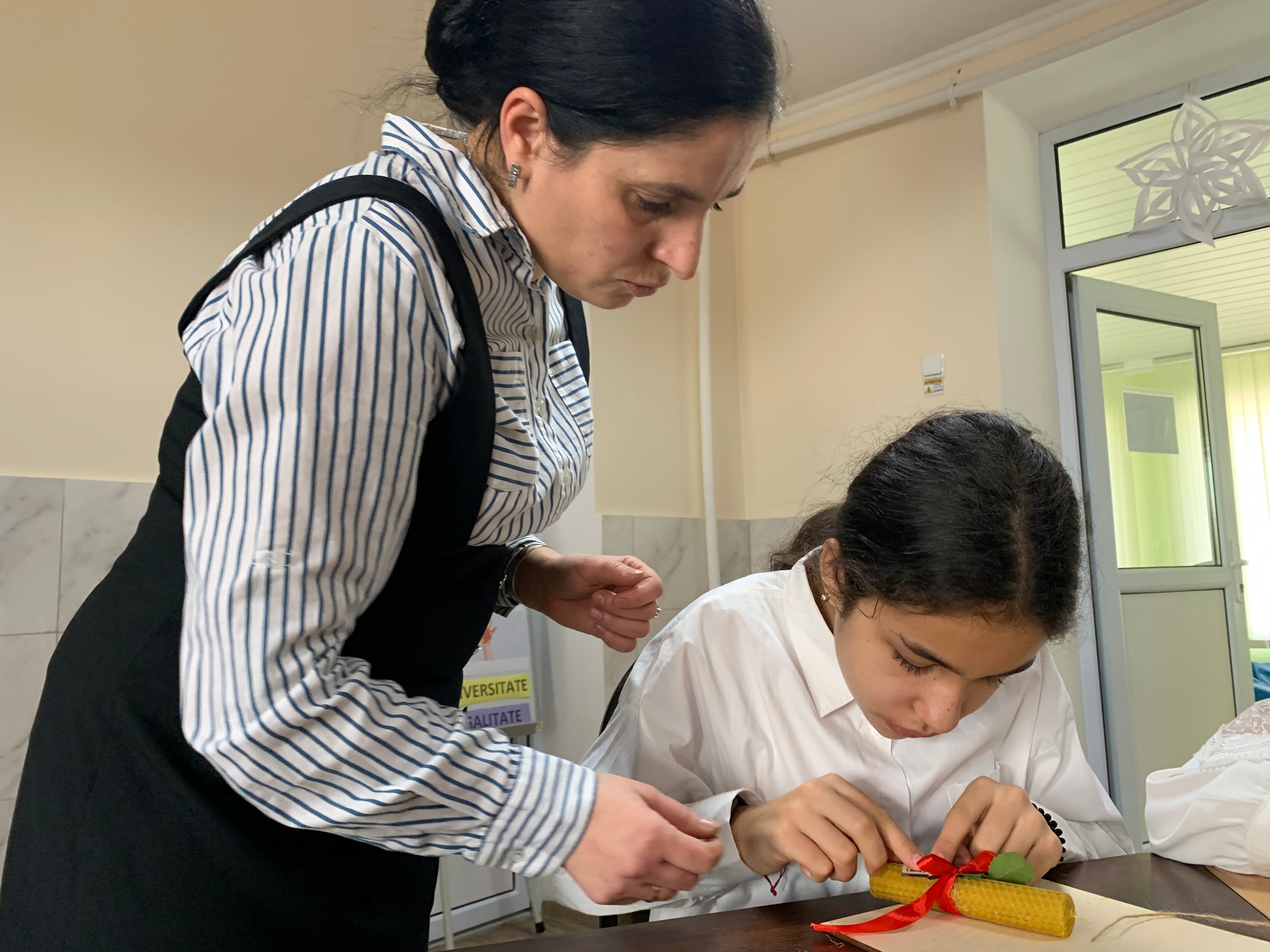
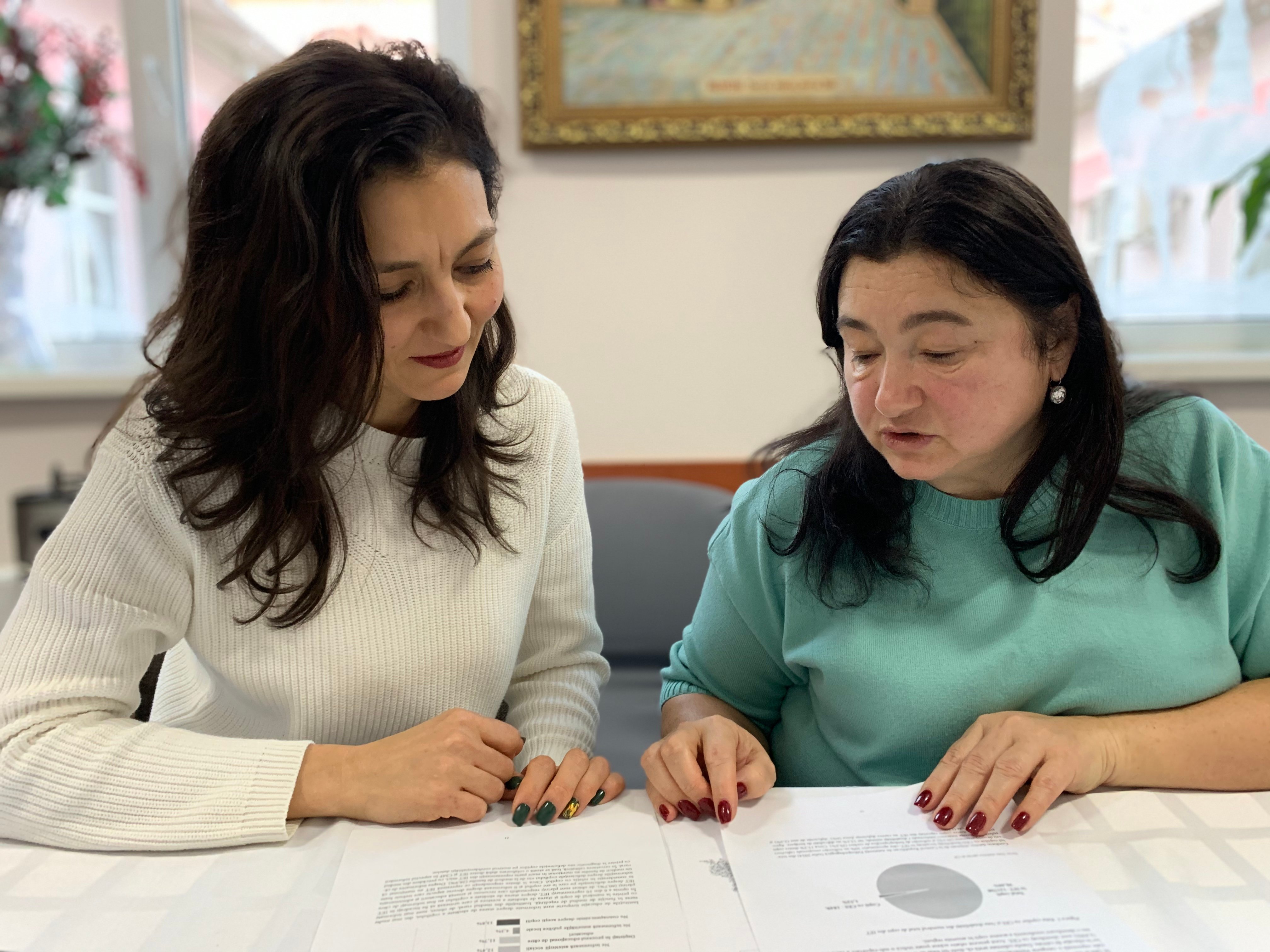
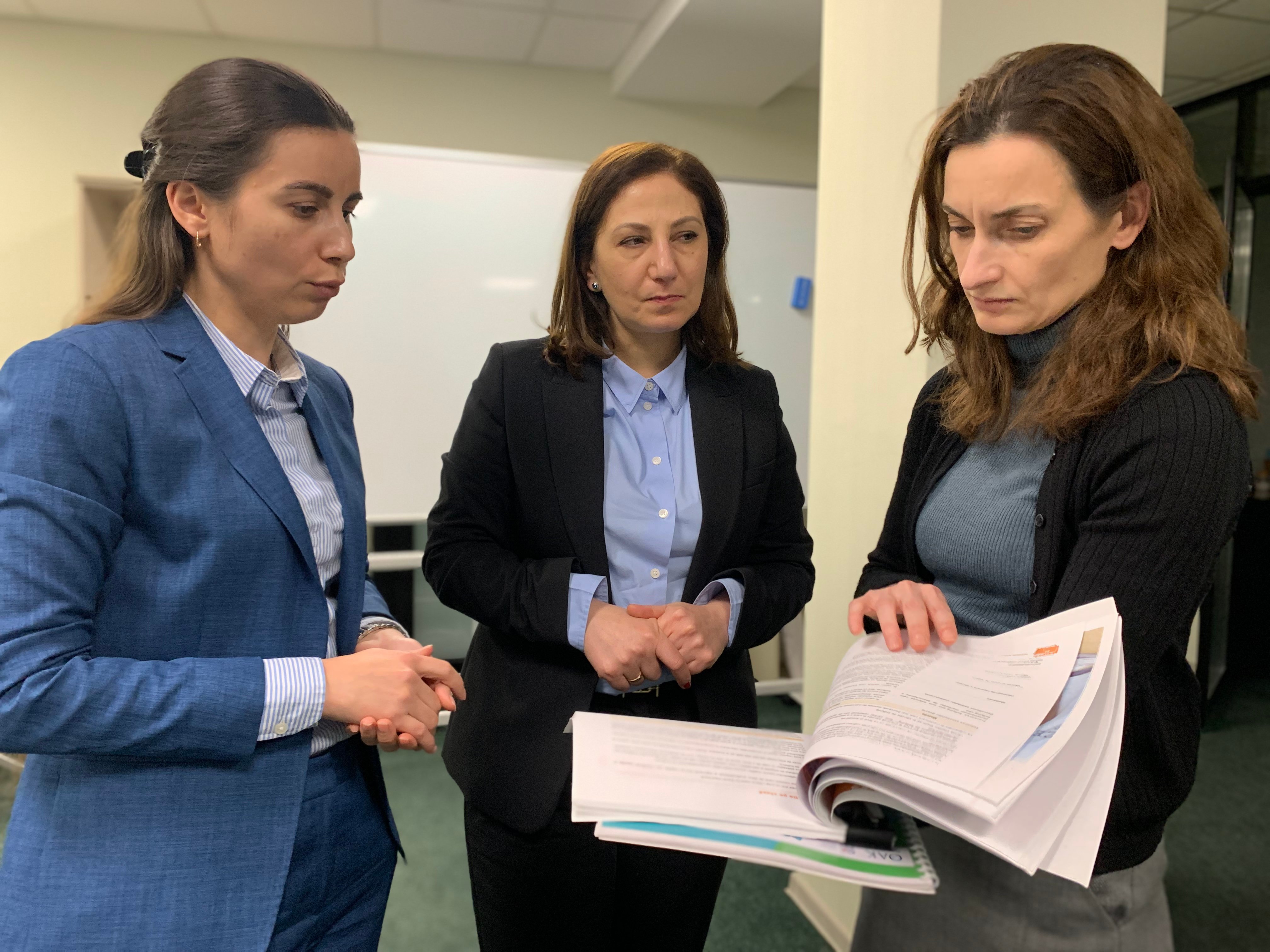
For years in Moldova, children who did not seem to fit within the framework of the local school were often sent to special schools. The schools were often located far from the child’s home, usually in rather isolated areas and almost always equipped with minimal resources, making it difficult to meet the children’s needs – needs that could span from physical disabilities and developmental disorders to mental health problems or simple dyslexia. Even issues of poverty or perceived unruliness were sometimes addressed by transferring the child to a special school.
“The result was generations of children with special needs growing into adults with limited opportunities in life,” says Irina Popusoi, Secretary General of the national education coalition in Moldova, APSCF.
A Policy in Place – But Gaps in Practice
This exclusion of children with special educational needs is something Moldova has since worked hard to address. In 2011 civil society together with the Ministry of Education and with UNICEF support, contributed to the development of a comprehensive policy for inclusive education (named “Programme for the Development of Inclusive Education in the Republic of Moldova for 2011–2020”) – a policy that in practice meant closing the special schools and including children with special educational needs in mainstream institutions.
“The policy was an achievement we celebrate. But reality on the ground is that there are still children with special educational needs who are not attending kindergartens or schools, and if they do, the necessary assistance is not always provided,” says Irina Popusoi.
Being awarded at the Inclusive GALA was a real encouragement – it feels like it has given us wings and made us work even harder to include children with special educational needs.
The study “Early Childhood Education and Development in Moldova” has encouraged us to further develop and strengthen relevant support services and to ensure early intervention for children with special educational needs.
Tatiana BirsenPsycho-Pedagogical Assistance Service in Anenii Noi.
Based on the study, several local civil society organisations have developed project proposals and attracted public or private funding to advance inclusion in their institutions.
Irina PopusoiSecretary General, APSCF
My father used to be a school director, and he told me that whenever you need something, you should knock on the door. This study is a very good tool for us to open some doors.
Tatiana Vrajmas Director, Regina Maria Kindergarten
We see things changing and hope that it means we are on track to realise the right to education for children with special educational needs.
Using Evidence to Drive Change
To advance the agenda, APSCF last year commissioned a study on inclusive early childhood education and development called “Inclusion of children with special educational needs in early childhood education institutions”. Supported by Education Out Loud, the study confirmed that many children with special needs remain unidentified and highlighted wider barriers that continue to prevent their full inclusion in kindergartens and schools.
“It is often observed that parents perceive their child’s special educational needs as a source of stigma and shame. In addition, there is a shortage of specialized teachers, inadequate infrastructure and facilities, and an economic framework that, in many cases, does little to encourage institutions to identify children with special educational needs and to develop supportive educational services,” says Aurelia Nucă, education expert and one of the authors behind the study.
The study also included testimonials from directors of schools and kindergartens who are expected to support children with special needs but often lack resources and guidance needed. It also included interviews with teachers who feel underprepared to include students effectively, and with parents who hesitate to have their children assessed because they fear stigma and bullying.“The study is not easy reading,” says Irina Popusoi. “But we undertook it to open policymakers’ eyes to the scale and nature of the problems. And we are already seeing the influence, as several recommendations have been included in budgets and plans,” she adds. “The study helped identify the most pressing issues and has made it easier for us to act on the recommendations,” confirms Diana Meleca from the Ialoveni Psycho-Pedagogical Assistance Service, one of the district centres established by the government. In Ialoveni, they are now prioritising teacher training, increasing resources to involve and support parents, and they have initiated closer cooperation with family doctors to identify and assess children with special educational needs early on.
Putting Inclusion in the Spotlight
Making problems visible, however, is only one side of APSCF’s advocacy strategy. Another is to show the solutions and good practice and celebrate actors who are getting it right. One of those initiatives is the inclusive Education GALA.
“Data on its own can feel heavy — a list of everything that is wrong. The GALA is the other half. It shows politicians and the public a different picture: children thriving, teachers proud of their work, a future worth investing in. That is a much easier door for people to walk through,” says Irina Popusoi.
The Inclusive Education GALA is an annual award event organised by APSCF to engage institutions, media, politicians and local communities in the inclusive education agenda. APSCF identifies a set of criteria and selects the winners among nominated schools and kindergartens.
“Over the years, we have seen how the GALA raises awareness of inclusion and deepens understanding of what it means in practice. The criteria also help shape local priorities and conversations, while the event itself provides a strong entry point for institutions to engage authorities in improving local conditions. And, of course, it gives praise and renewed courage to those who lead the change,” says Ina Cazacu, member of the GALA committee.
Inclusion is a promise
The next step for Irina Popusoi and the APSCF coalition is to leverage the momentum created by the study and supported by the GALA and other engagements such as the national conference on inclusion.
“Inclusion is not a project or a policy on paper – it is a promise to every child that they belong. For too long, children were hidden away, out of sight and out of mind. Today, we are bringing them back into the light – into classrooms, communities, and futures they deserve. And we will continue until that promise is real for every child in Moldova,” says Irina Popusoi.
The Inclusive Education GALA
- Organised annually by the Alliance of Active NGOs
in the field of Child and Family Social Protection (APSCF), the Inclusive Education GALA is both an advocacy platform and a celebration of progress. Supported by Education Out Loud, it brings together institutions, policymakers, media and civil society to raise awareness and stimulate dialogue on inclusive education in Moldova. - At the heart of the GALA is a national award recognising schools and kindergartens that demonstrate commitment, innovation and leadership in inclusion. By publicly celebrating these efforts, the event encourages others to act and shows that inclusive practices are both possible and impactful.
- Beyond recognition, the GALA serves as a powerful advocacy tool, helping to influence decision-makers and strengthen commitment to inclusive education nationwide.
- A key feature is the set of criteria developed by the GALA committee. These reflect the desired direction of the education system – from accessibility and cooperation to advocacy and innovation – and function as a tool for change in themselves. Many institutions actively align their work with these benchmarks, shaping local priorities and driving progress.
- Read more
https://educationoutloud.org/impact/gala-event-promotes-inclusive-education-moldova