
From Exclusion to Belonging: A School’s Journey Towards Inclusive Education
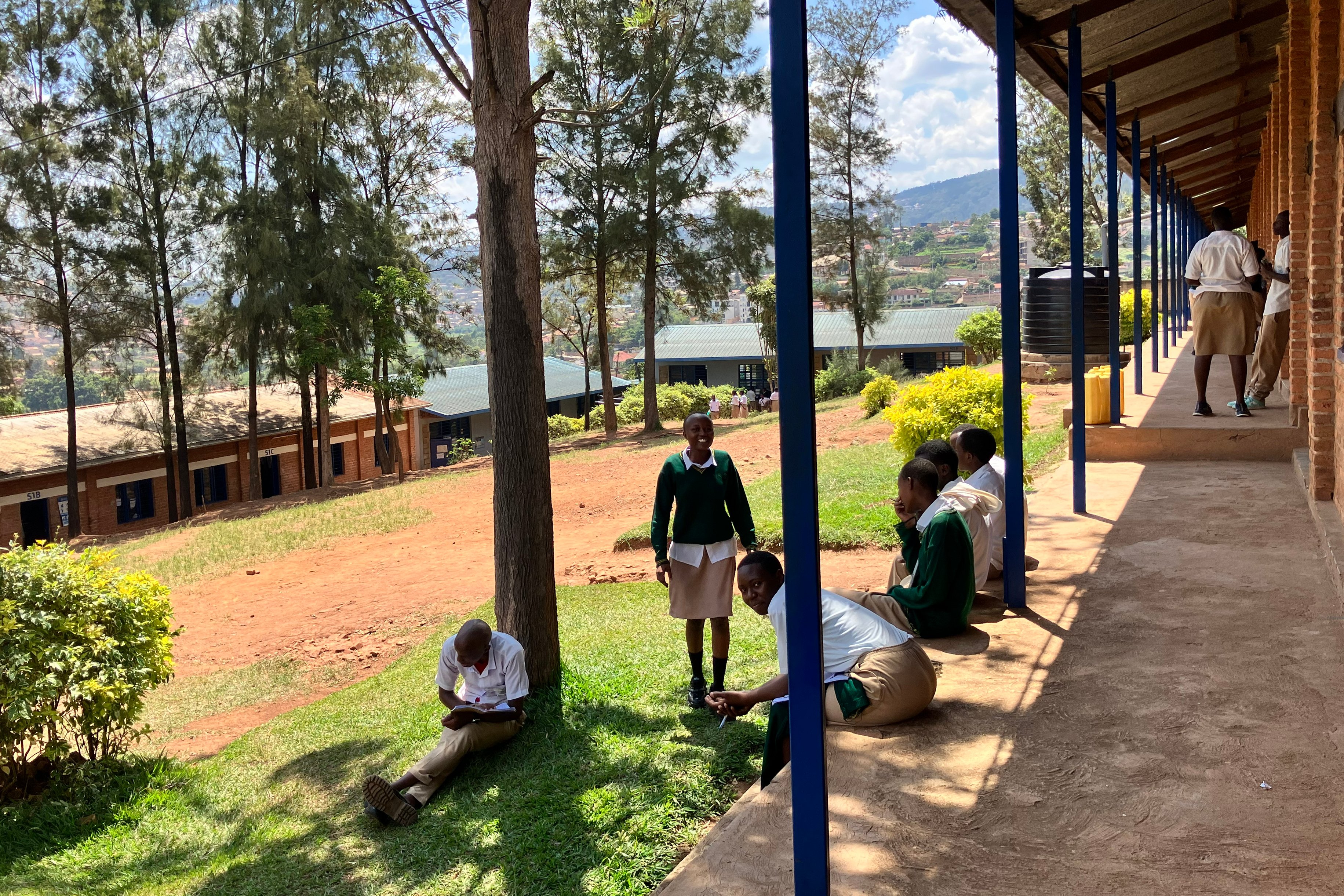
This community school near Kigali is practicing the inclusive education policies advocated by Rwanda Education for All Coalition (REFAC). Simple changes like teacher training, parents’ engagement and inclusive teaching practices are helping learners with disabilities feel safer and perform better in class.

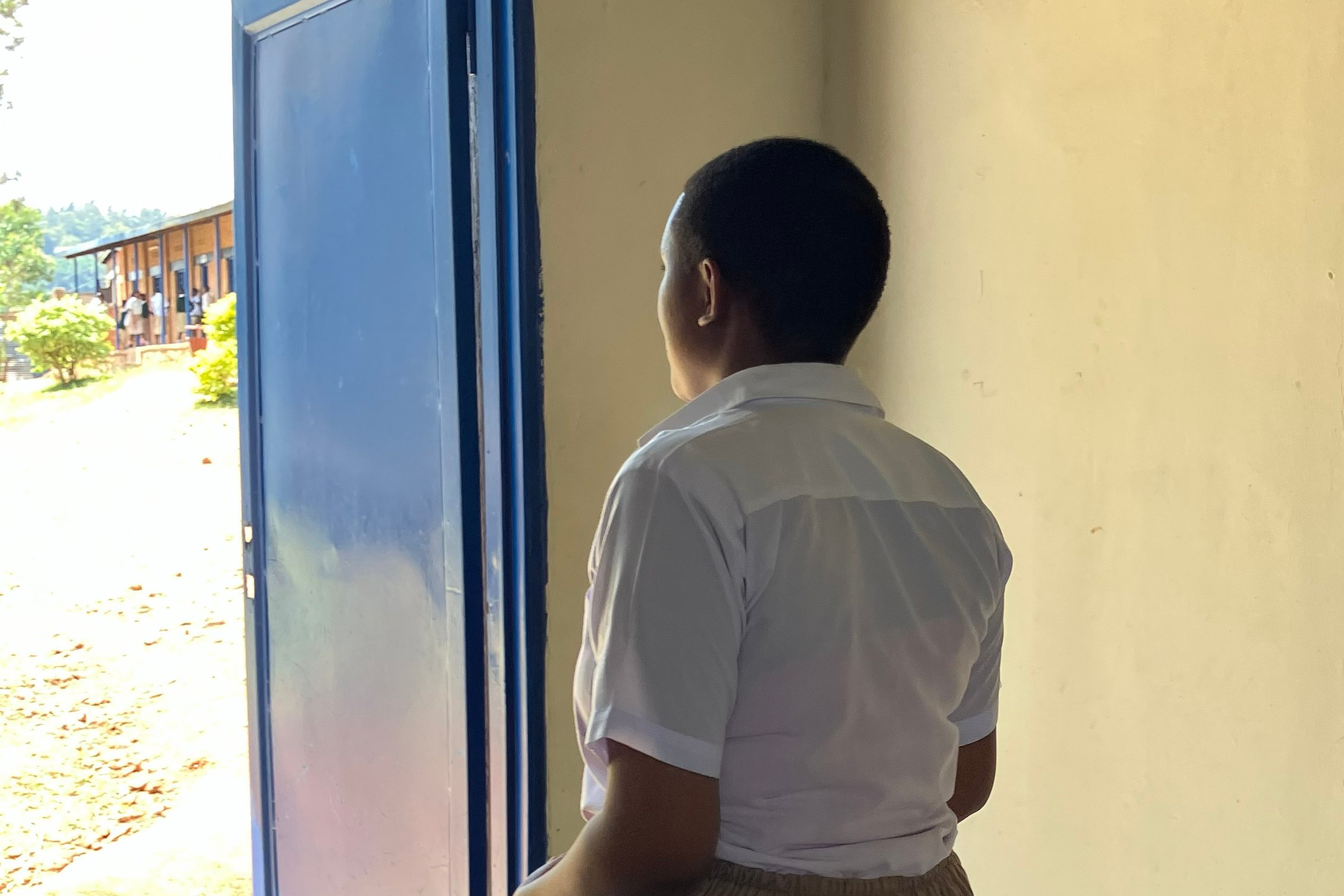


“As soon as I entered the school, I wondered how I would make friends here,” recalls Eric a tall lean boy with silvery short hair and curious deep blue eyes with skin that unlike his peers is pale and needs cover from the sun. Eric is a senior 2 student and living with albinism.
(Eric is not his real name, but a name he has chosen to share his story while protecting his privacy.)
Eric joined the school in 2023 after he completed Primary Six, when he was assigned to this new school near Kigali to join Senior 1 based on his scores on the National Primary Leaving Examination. For most of his school life, his biggest challenge was not academics but acceptance. In his previous school, he was bullied for his appearance and struggled in class because he felt excluded and isolated.
According to Eric’s account, the shift marks a turning point in his experience. He reports feeling supported by both teachers and classmates and perceives an improvement in his academic performance.
“I used my singing to make friends here, and they are very supportive. No one bullies me here,” he says. Eric wants to be a musician when he grows up.
Strengthening Inclusion Through Skilled Teachers
The schools inclusive environment has been reinforced by the decision to bring back one of their former teachers, Mr. Francois Zeberera, who specializes in English and Special Education Needs.
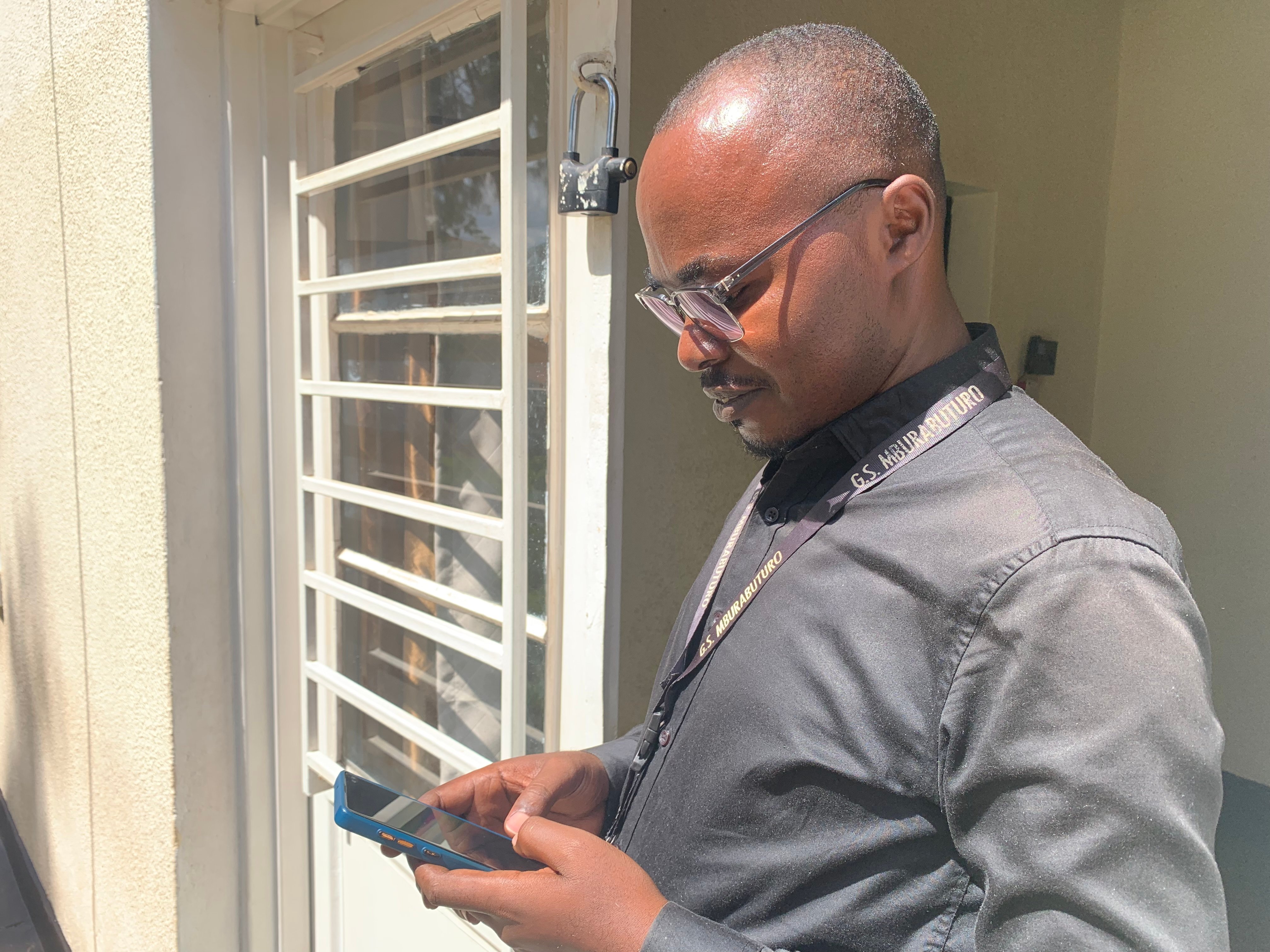
After completing his master’s degree, Francois returned to the same school where he once taught at the primary level.“When I was doing my master’s at the University, I saw students with visual impairments studying and excelling. This motivated me to return and support learners facing physical and social challenges,” he shares.
Francois brought back not only his expertise but also practical strategies to help teachers adapt their methods for learners with disabilities. He introduced tools such as large-print posters for children with low vision and encouraged teachers to adjust their communication approaches.
With the support of the school, he helped establish a learning club for continuous professional development, where teachers strengthen their inclusive teaching practices, learn sign language, and even receive basic braille orientation.
Eric describes Francois as a supportive, approachable, and understanding teacher. “If we are chatting or gossiping in class, the teacher says that if we make noise, we won’t get good grades. We tease him that we will still get good grades while continuing our fun,” Frank says, smiling at the rapport they share.
Leadership Rooted in Inclusion
Established in 1968, this primary school now hosts 965 students across different grades. Its commitment to inclusion is reflected not only in classroom practices but with the programs like Girls club and Teachers Club. At the center of this effort is headteacher Mathias Sindayigaya, whose leadership has guided the school’s inclusive journey. He ensures that inclusion is not an isolated effort, it is embedded in how the school operates each day.
“I am proud of our teachers and students. Despite the challenges, our academic performance has improved, and we’ve created a supportive environment. We try to ensure every student feels valued and encouraged,” he shares.
Mathias explains that one of the most important contributors to student success is the relationship between teachers and parents.
“When parents are actively involved, the performance of students increases,” he says. “We organize meetings, we share feedback, and we want parents to understand what their children are learning.”
The school runs programs such as the school feeding initiative, which has been possible nationwide due to consistent advocacy of Rwanda Education for All Coalition (REFAC) and other education actors which has significantly improved attendance, and the Girls’ Club, which empowers girls to stay in school and build confidence. Teachers meet regularly through a teachers’ club to discuss challenges, improve their methods, and support one another.
Beyond the School Gate: The Role of REFAC
The progress seen in this community is strengthened by systems that go far beyond the school itself. Behind the scenes, the Rwanda Education for All Coalition (REFAC) plays a critical role in shaping national policies that allow schools to thrive.
Joseph Nunezeko, from one of REFAC’s member organisations, Child First Initiative, explains that they carry out consultations with parents, teachers, students, and other education stakeholders to analyse the needs in schools which guide their advocacy.
Through these consultations, REFAC raises issues affecting schools like Mburabuturo to district and national platforms—ensuring that school-level challenges inform policy discussions.
Eric had forgotten his glasses that day, and when teacher Francois gently asked about them, it highlighted the caring, supportive bond between teacher and student. For Eric, and for many learners at his school, inclusion is not an abstract idea — it is the everyday experience of feeling safe, welcomed, and able to learn.
“We are encouraging inclusive education because every child deserves the chance to learn in an environment where they feel safe and supported” said headteacher Mathias.
.