
Advancing equity for rural teachers in Ghana
Ghana is introducing a new policy to improve salaries and working conditions for basic school teachers in rural areas — a reform championed for years by School for Life, together with other civil society organisations, and seen as a potential solution to persistent teacher shortages and difficult learning conditions.
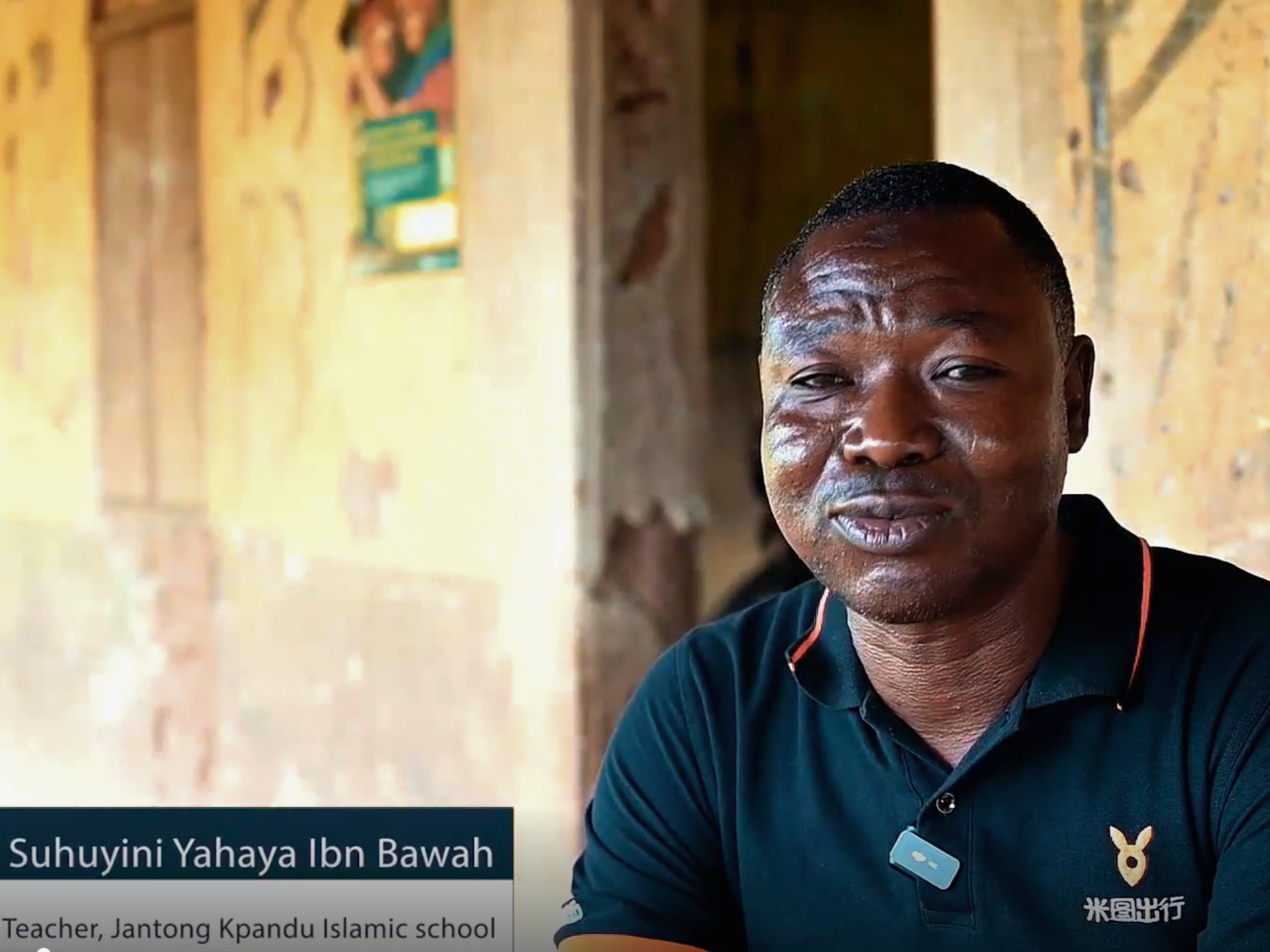
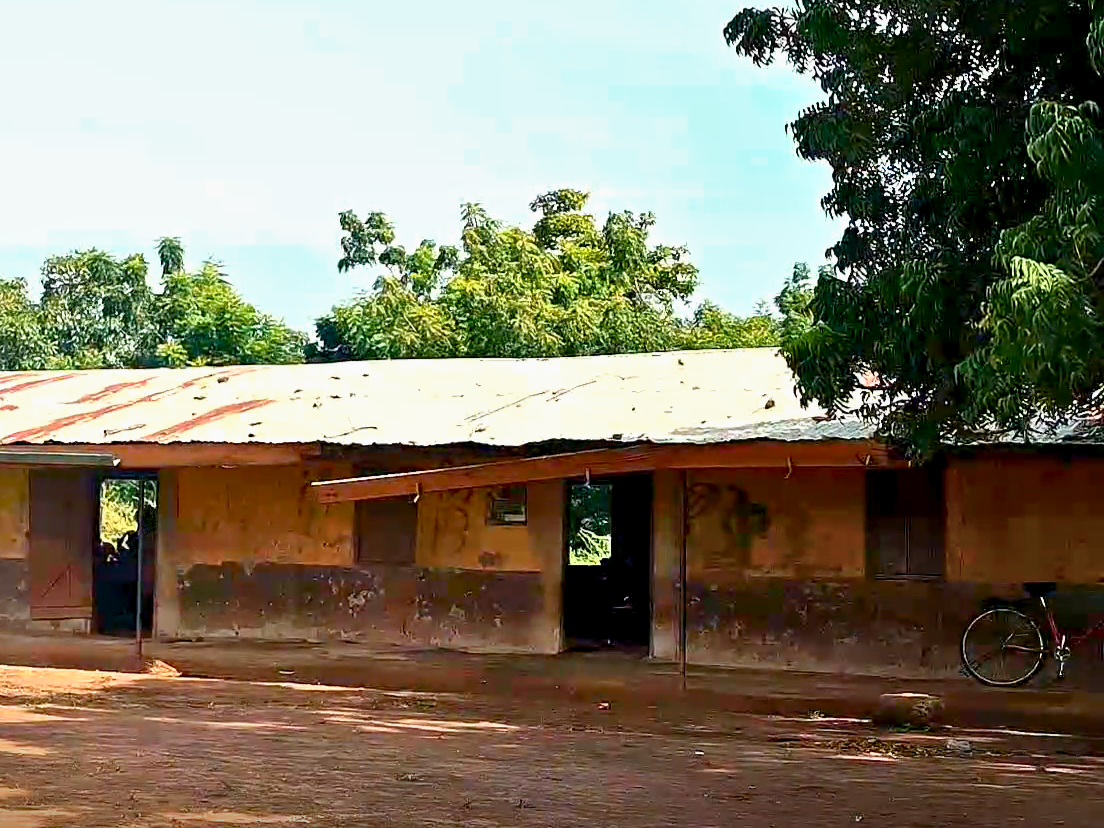
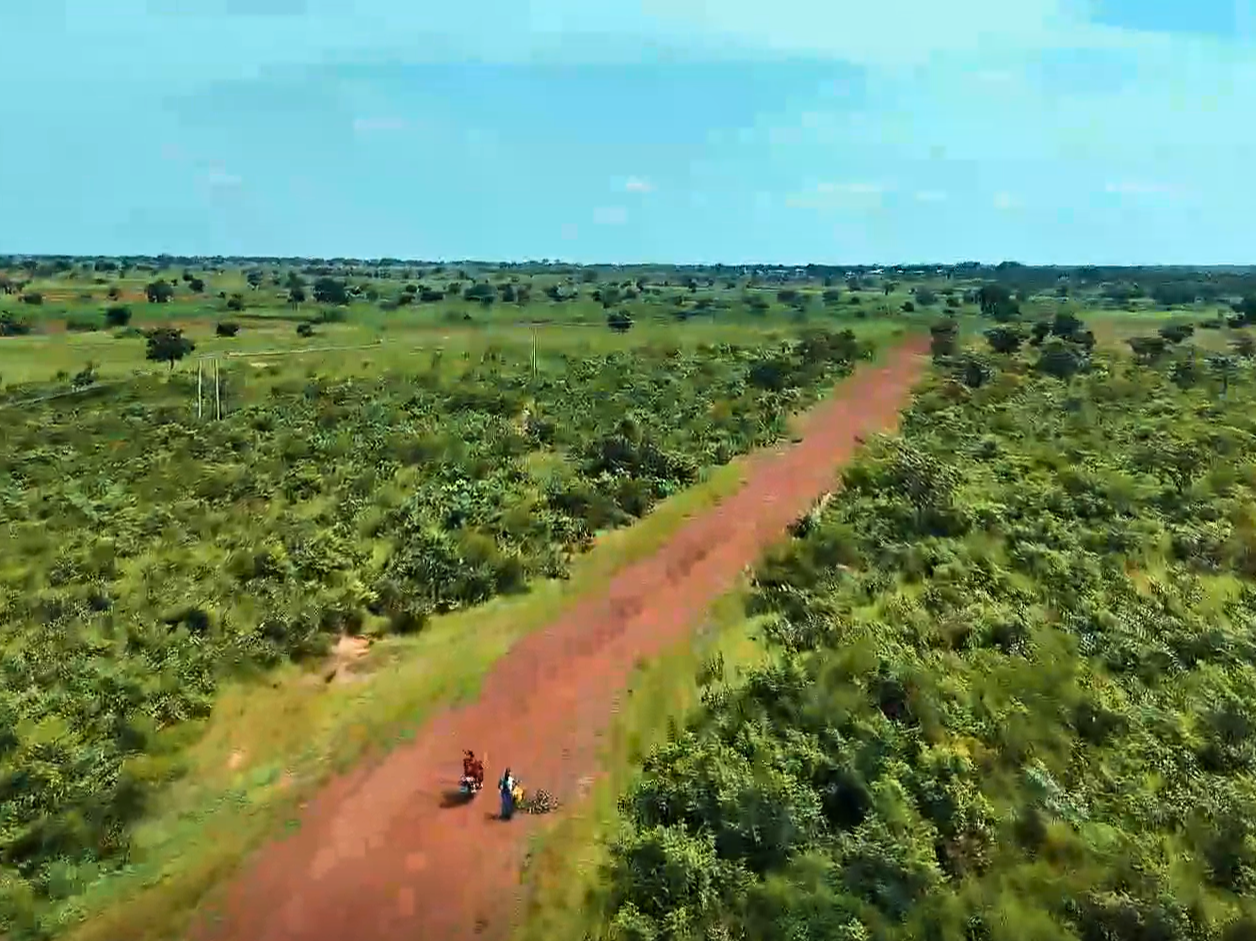
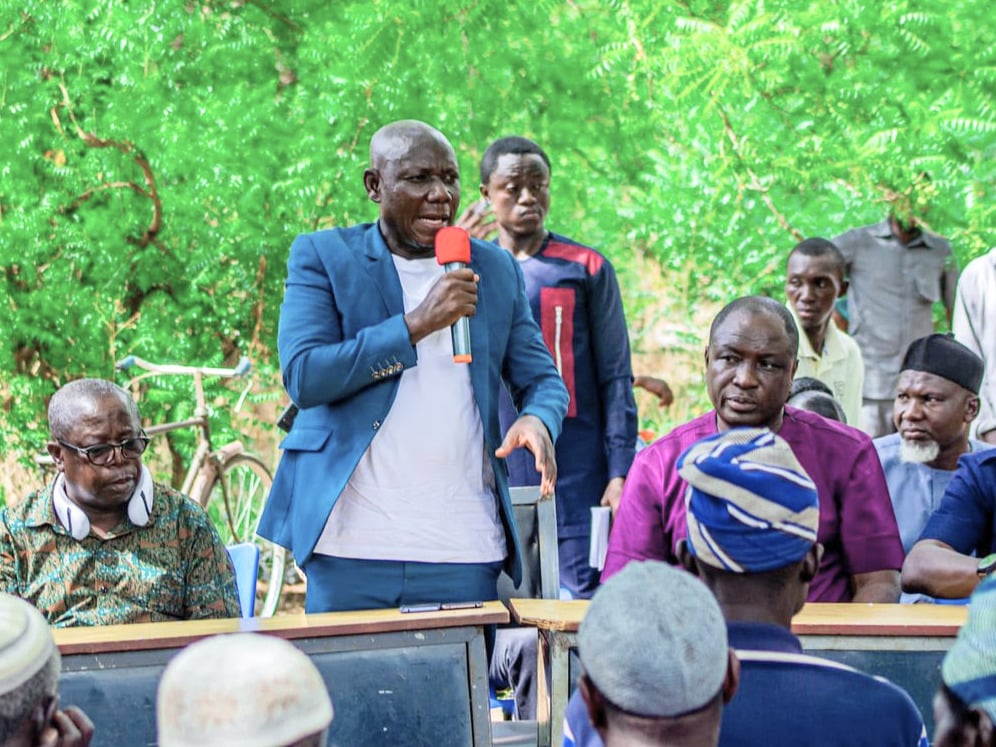
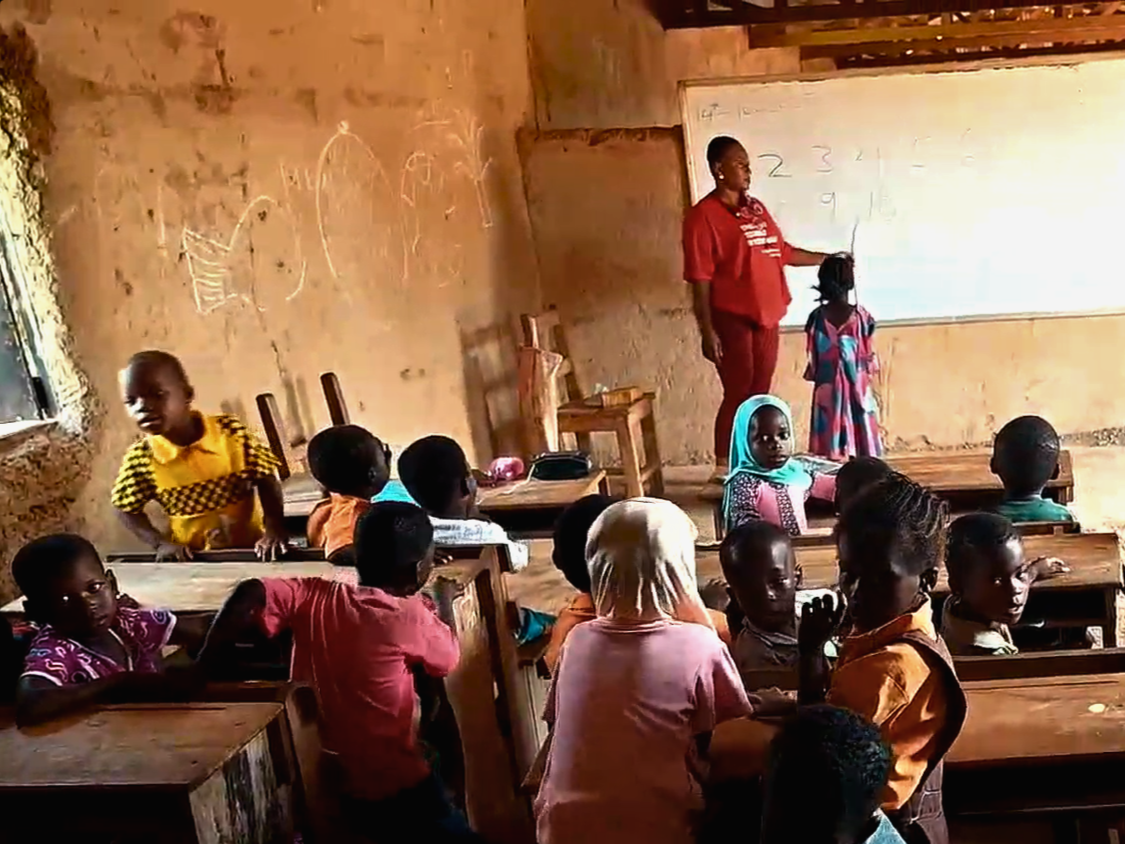
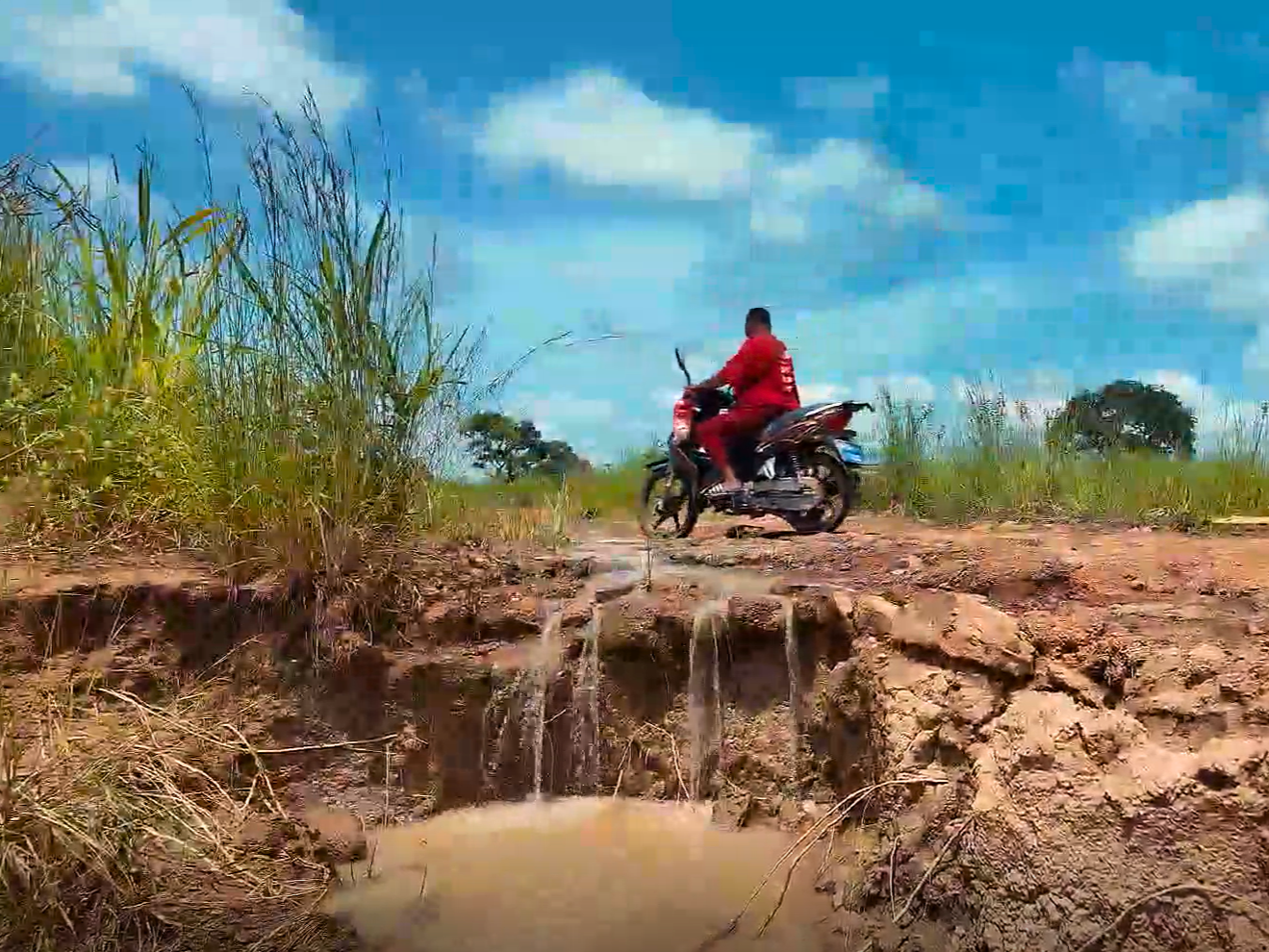
For years, teachers like Mr Suhuyini Yahaya Ibn Bawa at the Jantong Kpandu Islamic School in rural Ghana have braved long, exhausting commutes just to reach their classrooms.
“We lack basic amenities to stay in the communities where we work. Most of the time, we are late, or unable to teach every day,” he shared. “Distances are long, and most of us do not know anyone in the villages where we are posted.”
According to School for Life, a civil society organisation in Ghana, this reality—though common—remains one of Ghana’s most persistent education challenges.
“The lack of teacher accommodation and the resulting shortage of qualified teachers in rural areas make it difficult to complete the curriculum in many remote communities. The absence of decent housing and basic amenities also discourages teachers from staying,” says Mohammed Mutaru Alhassan, Advocacy and Policy Influencing Officer, School for Life.
After years of civil society advocacy, Ghana’s education system has now taken a decisive step. Sustained research, coalition building, and evidence-based engagement have helped bring longstanding concerns about rural teacher deployment to the national policy agenda.
On 7 January 2025, Ghana’s new government took office. Barely a month later, during his State of the Nation Address on 27 February 2025, President John Dramani Mahama announced a major policy shift:
“To motivate teachers and improve education in rural areas, the government will implement a 20% allowance for teachers who accept postings to deprived communities. No new school will be built without teachers’ accommodation.”
This promise has now culminated in the introduction of the Teacher Dabre Initiative (‘Dabre’ is a Ghanaian Twi word loosely translated as ‘a resting place’), a policy reform aimed at improving working conditions for teachers in rural and underserved communities.
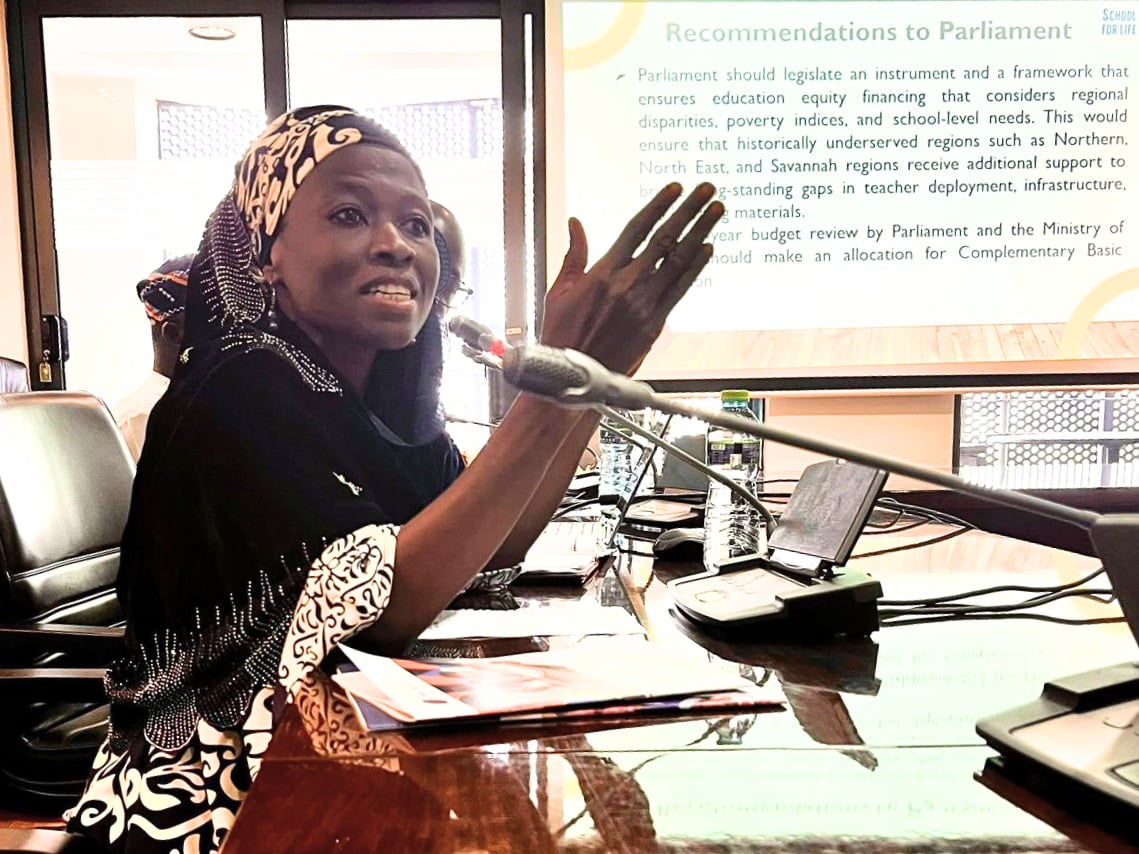
“This declaration marks a turning point — and a major victory for us education advocates who had long campaigned for greater equity in teacher distribution,” says Ayuba Abukari, Head of Programmes and Partnerships at School for Life.
From evidence to national attention
Under Ghana’s Single Spine Salary Structure, teachers’ pay had previously been determined solely by qualification and rank, without consideration of working conditions. As a result, teachers in deprived rural schools earned the same salary as those in Accra or Kumasi, despite facing far greater challenges. Civil society advocacy has long pointed to this structural inequity as a key factor driving teacher shortages in rural areas.
From evidence to national attention
Ayuba Abukari works on the Citizen-led Actions for Educational Accountability and Responsiveness (CLEAR) Project, supported by Education Out Loud and led by School for Life. Through research, community dialogues, media engagement, and policy recommendations, the project has consistently highlighted the widening gap between rural and urban learners caused by unequal teacher deployment.
Over time, the campaign gained national traction. In 2023, policymakers began to take notice, and education civil society organisations used this momentum to amplify their message. During the National Education Dialogue sessions convened by the government in 2024, CLEAR’s team presented evidence-based analysis and practical proposals, including a rural allowance to compensate for hardship and the provision of dedicated housing for teachers.
A turning point in 2026
Eventually, all the efforts proved not to be in vain: in January 2026, the Ghanaian government set aside GH¢500 million for the Teachers’ Housing Project, following the President’s address to the nation. According to feedback received from teachers, if implemented effectively, these measures could transform the learning environment in rural Ghana.
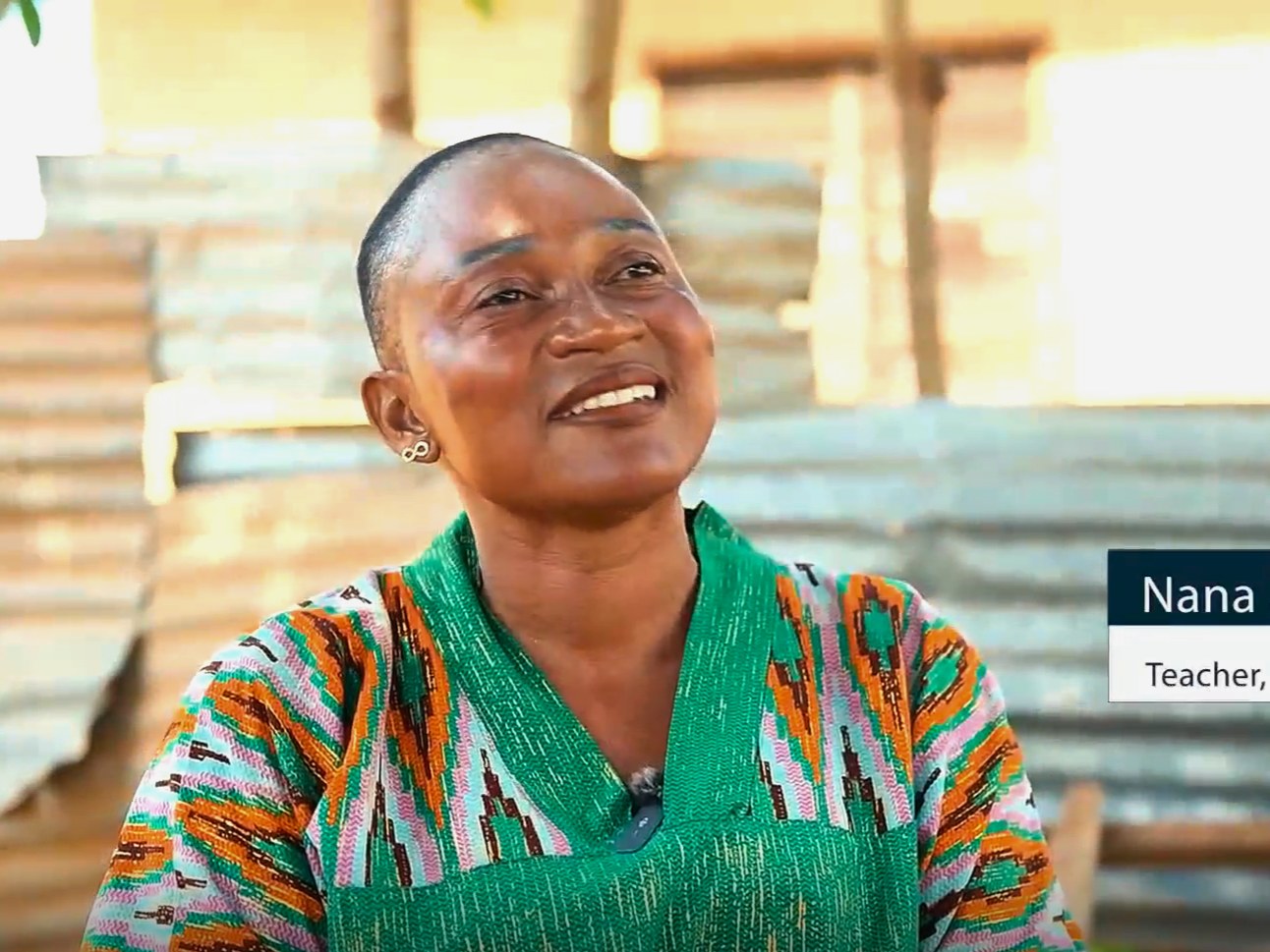
“It has been hard for us. But now, this is going to make our teaching and even learning easier. Students will enjoy consistent teaching, improved contact hours, and better learning outcomes,” said Nana Makafui Bernice, a teacher at Kpandu Primary School.
“This is going to change things so much. The main issue for teachers was accommodation. Teachers could look for places to rent, but they weren’t even getting that in the communities where they worked,” echoed Garaba Inusah, Director of Education for Northeast Gonja.
From policy to practice
Education activists working on the CLEAR project in the northern part of the country view the announcement as both a victory and a responsibility.
“We’ve seen the power of sustained advocacy; we are glad to see the government addressing the issue of teachers in remote areas,” said Ayuba Abukari, Head of Programmes and Partnerships at School for Life. “But now, we must ensure the policy translates from paper to practice,” he added.
As the Ministries of Education and Finance, together with the Ghana Education Service, prepare to operationalise the policy nationwide, all eyes are on the government’s next steps. For the teachers who once cycled long distances and the children who waited in empty classrooms, this change could mean a future where education is not a privilege of geography but a right — delivered with fairness and dignity across Ghana.