
Egyptian Education Union
How education coalitions are adapting their advocacy efforts through emergencies
Political upheaval, economic instability, and conflict constantly test even the most carefully designed strategies. Yet across the region, education coalitions are finding ways to stay agile and relevant, reshaping their approaches to ensure learning continues despite the odds.
Across the Middle East and North Africa, education systems are not simply under strain; they are operating in conditions of prolonged crisis. For education coalitions, this reality has reshaped how advocacy is done — who it engages, which spaces it uses, and how quickly it should adapt in response to rapidly changing conditions.
In Egypt, for example, exchange rate fluctuations and inflation have affected the national education coalition’s financial stability and ability to deliver programmes. Frequent changes in government have also meant repeatedly rebuilding advocacy relationships with decision-makers..
Climate change is also directly disrupting learning, affecting students’ academic performance and contributing to increasing cases of heat exhaustion, particularly during examination periods. These impacts are more severe in Egypt’s southern governorates. In addition, student dropout rates have risen during periods of flooding, driven by inadequate school infrastructure in rural areas that is insufficiently prepared to withstand climate-related shocks.
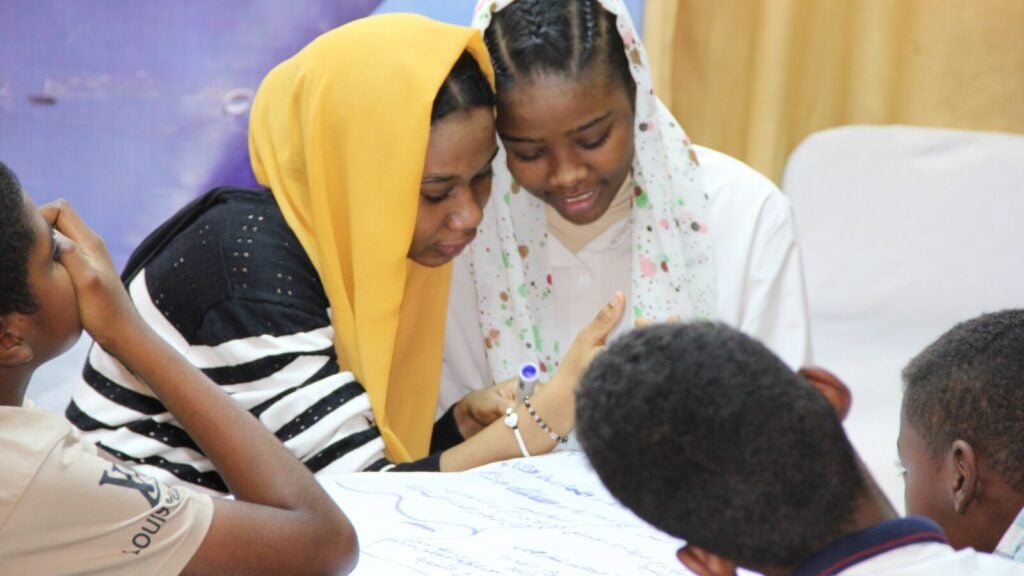
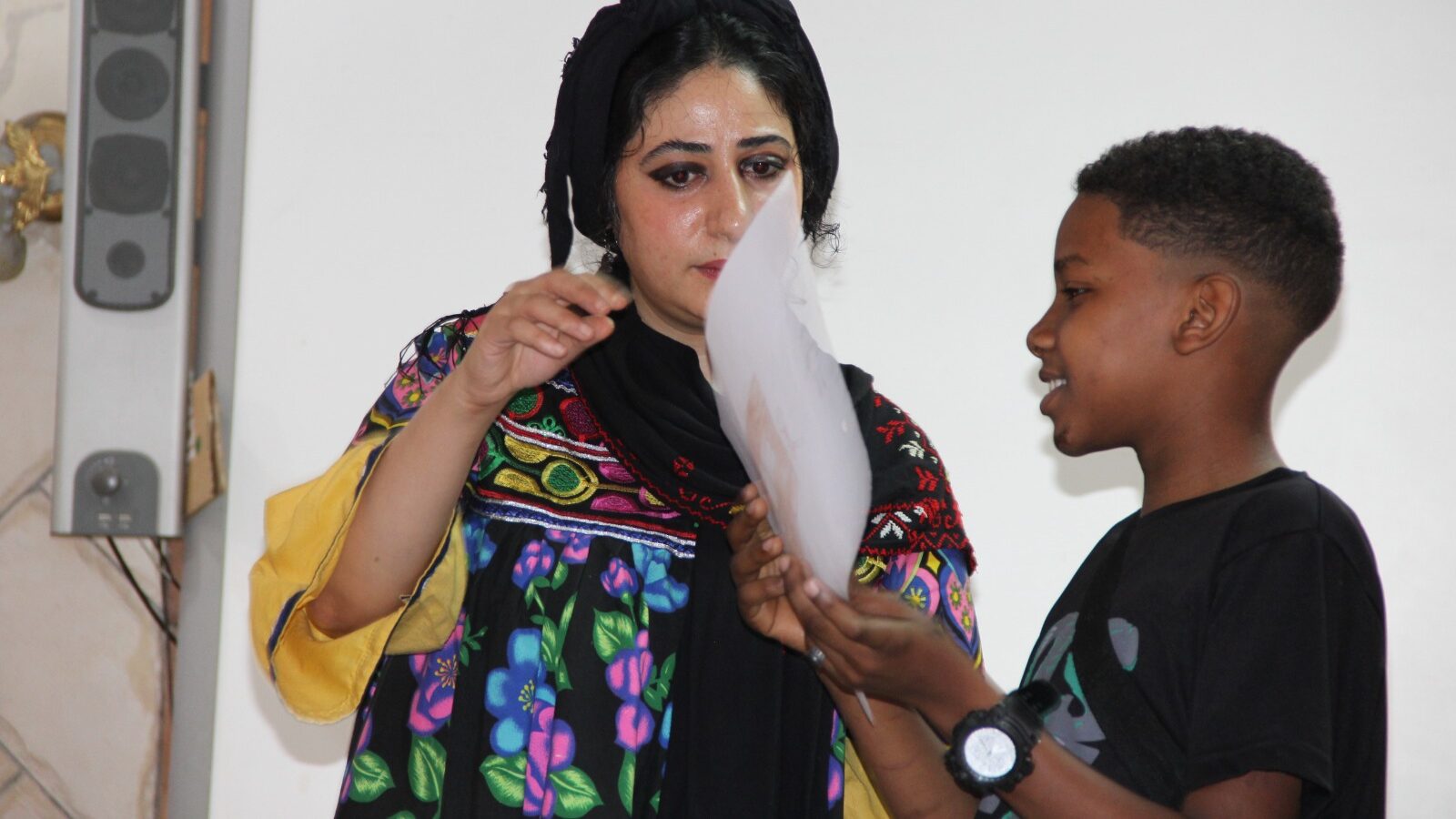
Photo: Egyptian Education Union
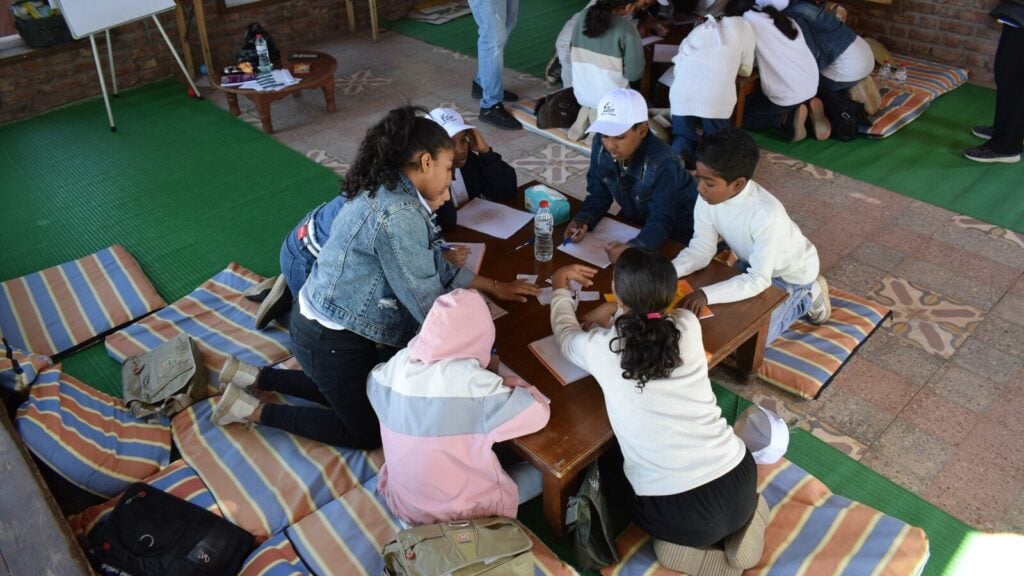
Photo: Egyptian Education Union
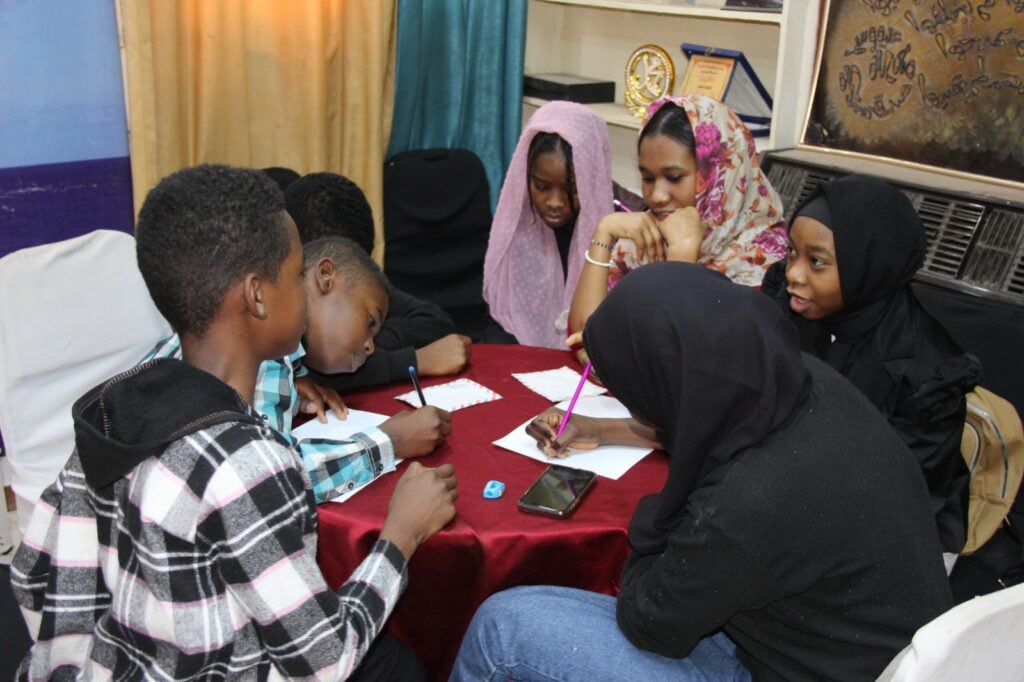
Across Lebanon, Sudan, South Sudan, Yemen, and the West Bank, coalitions face similar barriers, including unpaid teachers, destroyed schools, and unclear divisions of responsibility among governments, donors, and non-governmental organisations. These challenges underscore why advocacy in emergencies must be adaptive, locally grounded, and responsive to uncertainty.
These realities formed the backdrop to discussions during an annual programme review and learning workshop convened under the GPE’s funded Education Out Loud initiative. During the review, education coalitions from the Middle East and North Africa (MENA) region reflected on how they are advocating for education in emergency settings and examined what would help them to remain effective despite volatility and constraint.
Four approaches to working in emergencies
While contexts varied, participants identified four core advocacy approaches that capture how coalitions are adapting their work in emergencies.
- Embracing Flexibility through Adaptive Management
In emergency contexts where political, security, and economic conditions shift rapidly, advocacy strategies have to remain flexible. Adaptive management allows coalitions to respond to change in real time by adjusting priorities, methods, and partnerships while remaining anchored to long-term education goals. With the support of EOL, education coalitions are increasingly using adaptive frameworks that allow them to adjust activities as contexts evolve. This means shifting resources, revising advocacy targets, or changing strategies entirely without losing sight of long-term goals.
For example, in the West Bank, when an adult learning programme was shut down, the education coalition mobilised local communities to create informal learning hubs in Jenin. This grassroots initiative not only filled an education gap but also led to government recognition, demonstrating how locally driven advocacy can reclaim space for education under restriction.
Due to the ongoing war in Sudan, the coalition has been unable to receive funding. Nevertheless, through resource sharing and partnerships with other international non-governmental organisations (INGOs), it has managed to establish safe spaces that provide psychosocial support for internally displaced children, including 15 child-friendly spaces and one temporary learning shelter.
- Leveraging Media and Strategic Communication
In most countries in the MENA region, shrinking civic spaces limit what can be said publicly. In this context Targeted communication in advocacy is critical in ensuring that all stakeholders are aligned while managing political and operational risk.
Coalitions are therefore turning to alternative media advocacy and selected communication spaces to amplify voices freely.
- Advancing Gender Equality Contextually
While gender equality remains central to advocacy, education advocates recognise that approaches should reflect local sensitivities and constraints.
In contexts where shrinking civic space limits how civil society organisations can engage publicly, coalitions often adapt their strategies by working through community networks, documenting gender-related barriers discreetly, or supporting female educators and local leaders to advocate for change within their communities.
In Egypt, for example, the national education coalition established a Gender-Based Violence Observatory to record incidents of abuse and use this evidence to push for safer learning environments for girls.
According to Wessam El-Sherif, CEO of the Egyptian Education Union, “the Union’s advocacy efforts operate along two parallel tracks. The first focuses on national policies and sustained advocacy to ensure their responsiveness to gender equality, justice, and anti-discrimination principles. The second track concentrates on transforming deeply rooted social norms within local communities that perpetuate social tolerance toward violence and discrimination against girls, both within and beyond the school environment. This dual approach necessitates the adoption of multiple, long-term advocacy strategies to achieve profound and sustainable impact, even if results materialise over a longer time.”
Despite political instability, investing in community engagement is essential to building resilient education systems in times of crisis. Through Education Out Loud, sustained capacity-building and networking at local and national levels, we are positioning the coalition as a key education sector actor; grounded in community needs and strategically aligned with education sector priorities.
Abeer TamimCoordinator, JCEA
Meanwhile in Jordan, coalition coordinator Abeer Tamim notes that their approach centres on empowering communities to take ownership of the issue. “While Ministry of Education initiatives such as the School and Directorate Development Programme aim to strengthen school leadership, decentralise authority, and enhance community engagement, they were developed with limited input and restricted engagement from local communities and civil society organisations (CSOs), undermining their sustainability and effectiveness”, she explains. “By engaging all community actors in inclusive community-led dialogues and education policy planning, we aim to foster shared responsibility for addressing local needs, particularly the prevention of and response to gender-based violence.”
In several countries, civil society organisations have also contributed to the development of Education Sector Plans by participating in consultations, providing community-level evidence, and advocating for the inclusion of priorities such as gender-responsive policies and safe learning environments. These contributions help ensure that national education strategies better reflect the needs and realities of learners and communities.
- Investing in Evidence and Storytelling
In crisis contexts, data alone is often insufficient to influence policy. Combining evidence with lived experiences to humanise education challenges, expose inequities, and strengthen the credibility of advocacy initiatives. In Somalia, documenting a small number of stories of change reshaped how the coalition approached evidence-based advocacy, highlighting exclusion in a highly privatised education system.
In the West Bank, local learning communities showed how grassroots organising can rebuild trust between citizens and institutions. And in Egypt, the Gender-Based Violence Observatory is proving that documentation can drive accountability even in limited civic spaces.
These insights were shared during the workshop where education advocates gathered to reflect on education access for all children during times of crisis. The discussions informed on their advocacy work going forward and using the INEE minimum standards as a guiding tool. Despite political instability and prolonged crisis, education coalitions across the region continue to demonstrate that advocacy can remain effective, strategic, and grounded in community realities.
To foster education access and sustainability in the fragile and conflict contexts, the Education Out Loud Programme is supporting grantees through a learning collaborative on Education in Emergencies. Read more about the learning collaborative here.