
Des enfants moldaves sortent de l’ombre à mesure que l’inclusion s’enracine
Depuis 2011, la Moldavie met en œuvre une politique d’éducation inclusive visant à garantir que tous les enfants soient scolarisés dans des établissements ordinaires. Concrétiser cet engagement n’a pas été chose facile, mais la coalition nationale APSCF fait avancer ce dossier grâce à des données factuelles, à un travail de plaidoyer et à la visibilité générée par une cérémonie de remise de prix haute en couleurs.
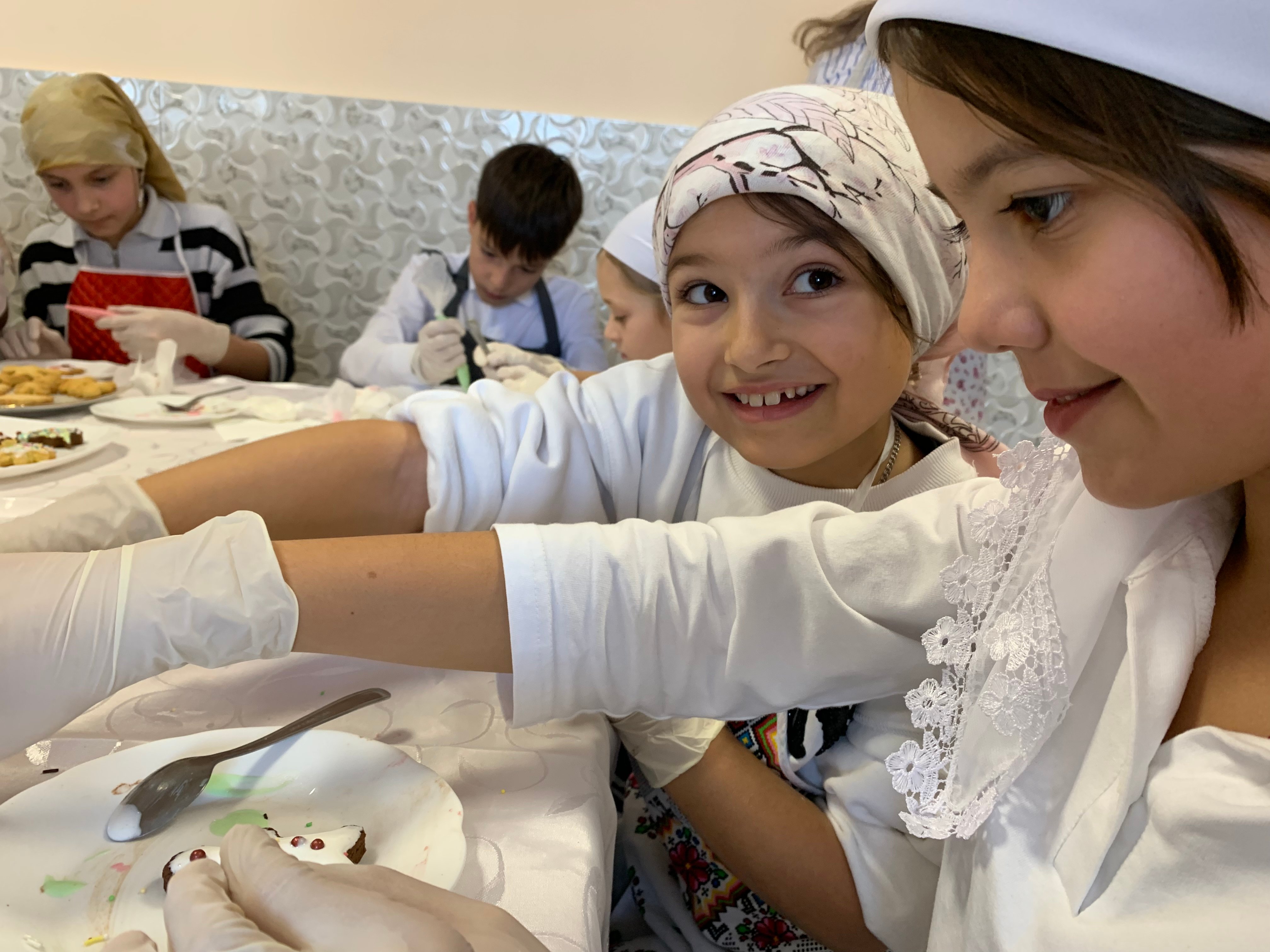
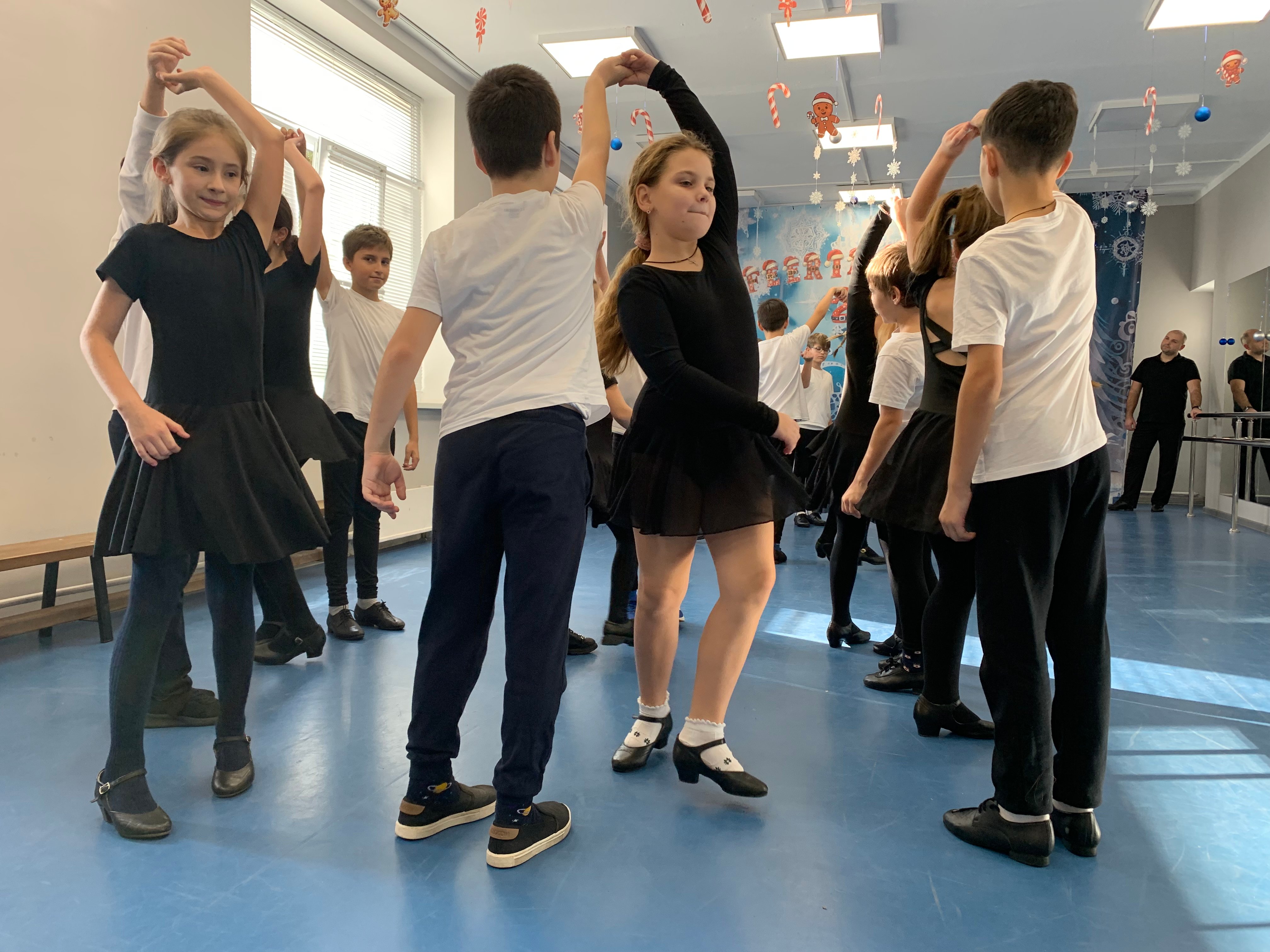
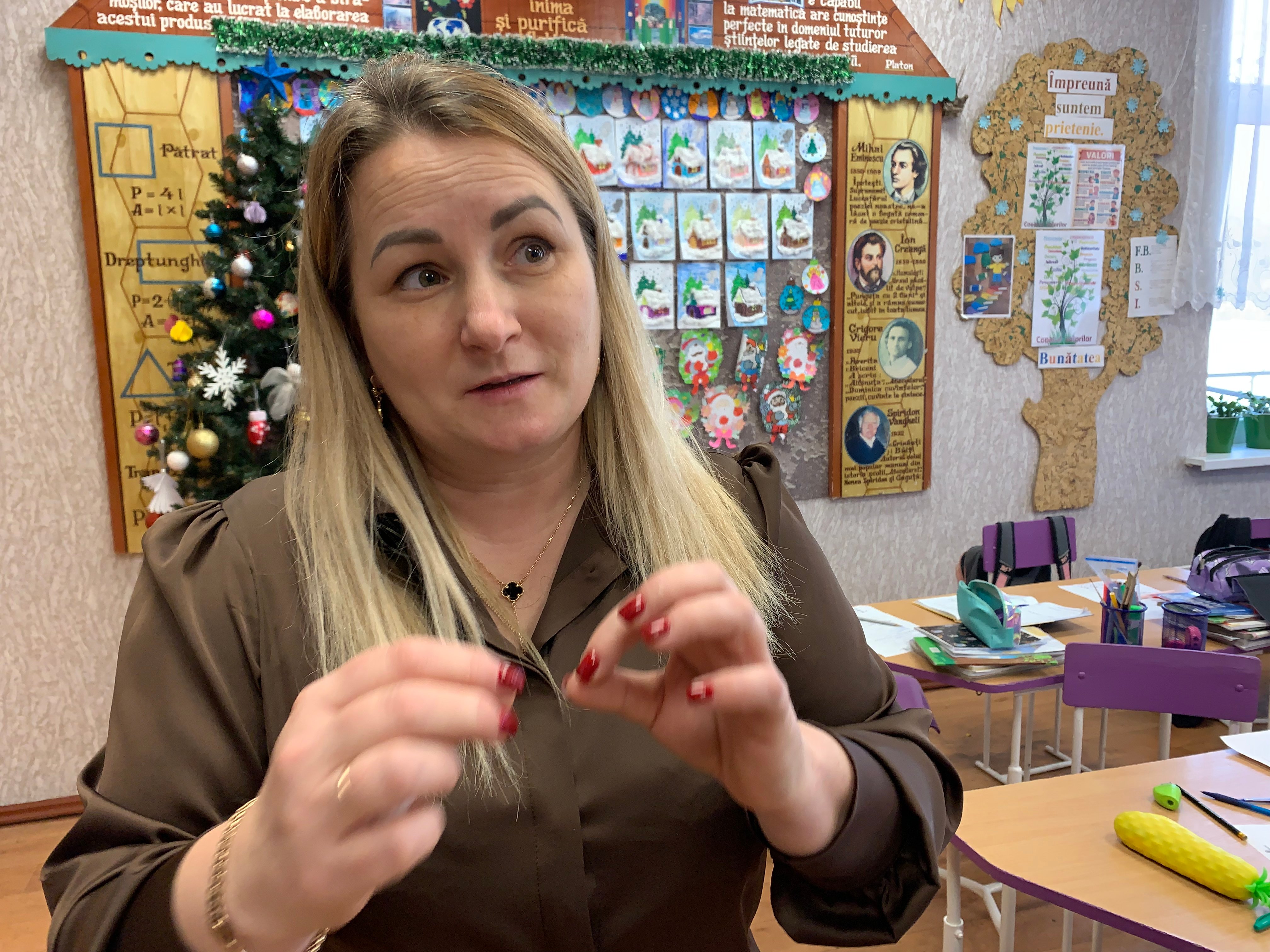
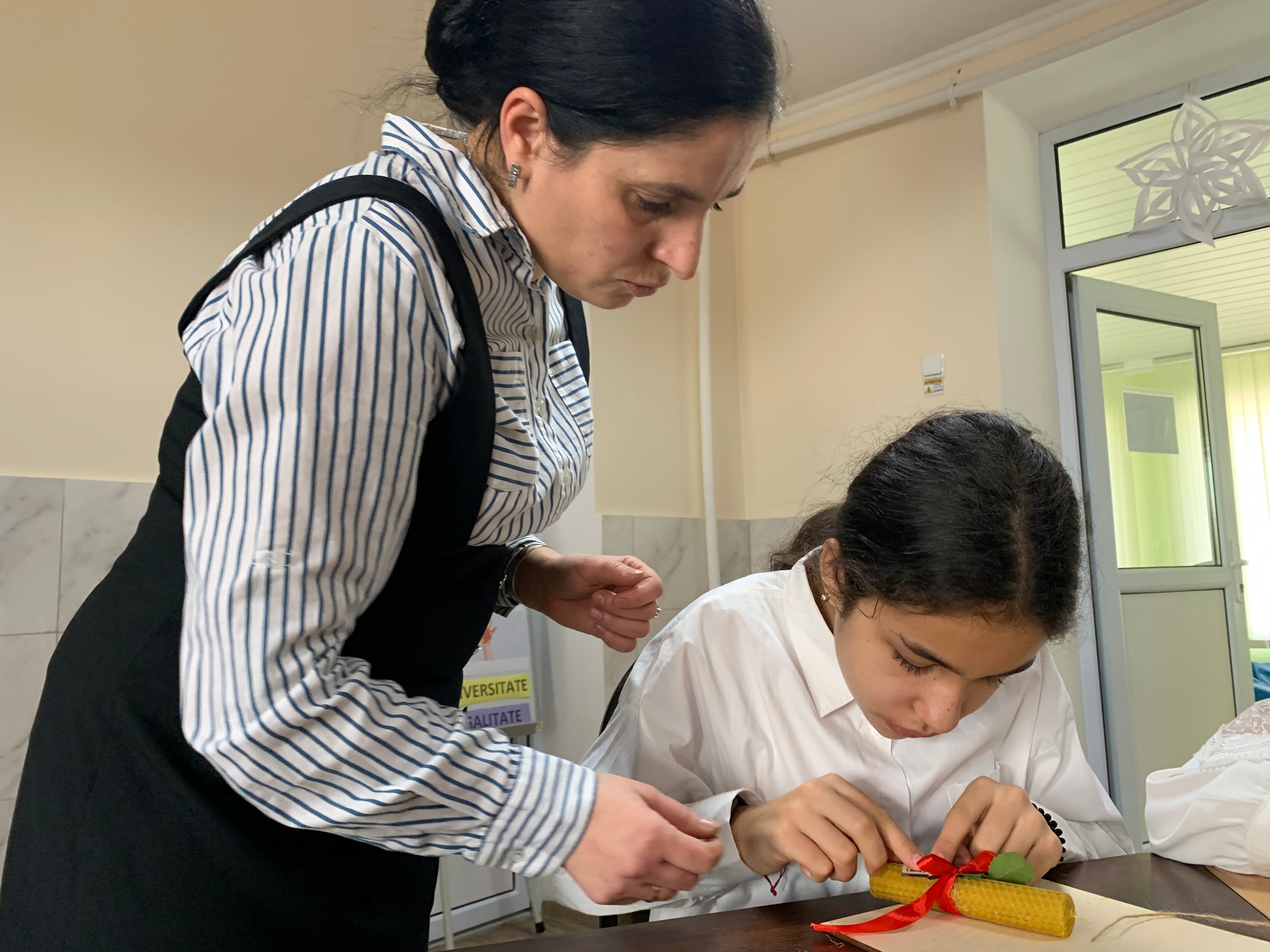
Pendant des années, en Moldavie, les enfants qui ne semblaient pas s’adapter au système scolaire local étaient souvent orientés vers des écoles spécialisées. Ces établissements étaient pour la plupart situés loin du domicile de l’enfant, généralement dans des zones assez isolées, et disposaient presque toujours de ressources minimales, ce qui rendait difficile la prise en charge des besoins des enfants – besoins pouvant aller d’un handicap physique ou d’un trouble du développement à des problèmes de santé mentale ou à une simple dyslexie. Même des problèmes liés à la pauvreté ou à un comportement jugé indiscipliné étaient parfois résolus en transférant l’enfant dans une école spécialisée.
« Il en a résulté des générations d’enfants à besoins particuliers qui sont devenus des adultes aux perspectives d’avenir limitées », explique Irina Popusoi, secrétaire générale de la coalition nationale pour l’éducation en Moldavie, l’APSCF.
Une politique est en place, mais il existe des lacunes dans sa mise en œuvre.
La Moldavie s’est depuis lors efforcée de remédier à cette exclusion des enfants à besoins éducatifs particuliers. En 2011, la société civile, en collaboration avec le ministère de l’éducation et avec le soutien de l’UNICEF, a contribué à l’élaboration d’une politique globale en faveur de l’éducation inclusive – une politique qui, dans la pratique, a entraîné la fermeture des écoles spécialisées et l’intégration des enfants présentant des besoins éducatifs particuliers dans les établissements ordinaires.
« Cette mesure a été une avancée dont nous nous réjouissons. Mais la réalité sur le terrain est qu’il y a encore des enfants ayant des besoins éducatifs particuliers qui ne fréquentent ni l’école maternelle ni l’école, et lorsque c’est le cas, l’aide nécessaire ne leur est pas toujours apportée », explique Irina Popusoi.
Recevoir ce prix lors du GALA de l’inclusion a été un véritable encouragement : c’est comme si cela nous avait donné des ailes et nous avait poussés à redoubler d’efforts pour intégrer les enfants à besoins éducatifs particuliers.
L’étude intitulée « Éducation et développement de la petite enfance en Moldavie » nous a incités à poursuivre le développement et le renforcement des services d’accompagnement adaptés, ainsi qu’à garantir une prise en charge précoce des enfants présentant des besoins éducatifs particuliers.
Tatiana BirsenService d’accompagnement psychopédagogique à Anenii Noi.
À la lumière de cette étude, plusieurs organisations locales de la société civile ont élaboré des propositions de projets et obtenu des financements publics ou privés afin de faire progresser l’inclusion au sein de leurs institutions.
Irina PopusoiSecrétaire général de l’APSCF
Mon père était directeur d’école et il m’a toujours dit qu’il fallait frapper à la porte chaque fois qu’on a besoin de quelque chose. Cette étude est un excellent outil qui nous permettra d’ouvrir certaines portes.
Tatiana Vrajmas Directrice de l’école maternelle Regina Maria
We see things changing and hope that it means we are on track to realise the right to education for children with special educational needs.
Using Evidence to Drive Change
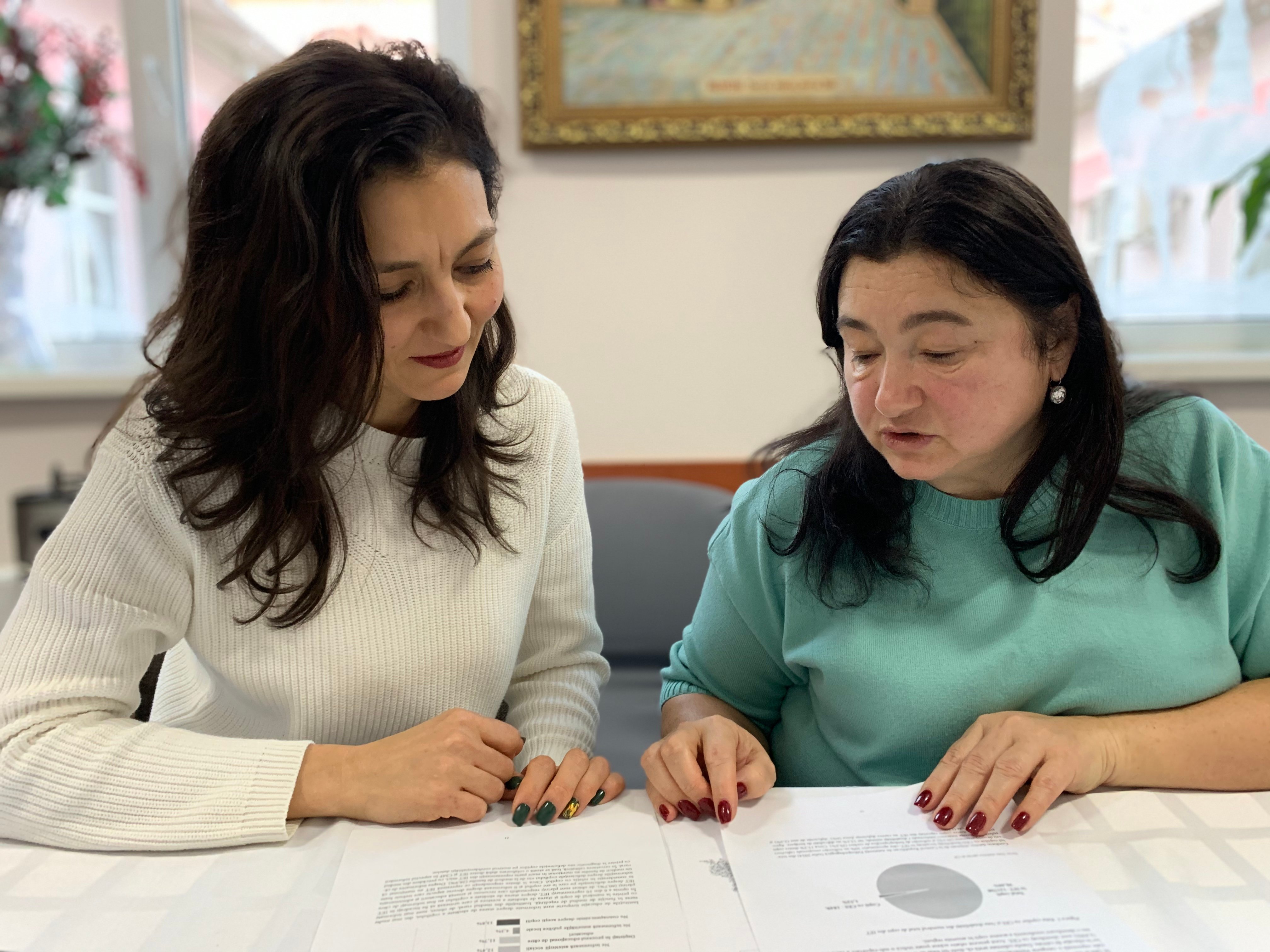
Pour faire progresser ce dossier, l’APSCF a réalisé l’année dernière une étude sur l’éducation et le développement inclusifs de la petite enfance intitulée «L’inclusion des enfants à besoins éducatifs particuliers dans les structures d’éducation de la petite enfance». Réalisée avec le soutien d’Education à Voix Haute, cette étude a confirmé que de nombreux enfants ayant des besoins particuliers ne sont toujours pas identifiés et a mis en évidence des obstacles plus généraux qui continuent d’empêcher leur pleine inclusion dans les écoles maternelles et primaires.
« On constate souvent que les parents perçoivent les besoins éducatifs particuliers de leur enfant comme une source de stigmatisation et de honte. À cela s’ajoutent une pénurie d’enseignants spécialisés, des infrastructures et des équipements insuffisants, ainsi qu’un cadre économique qui, dans de nombreux cas, n’incite guère les établissements à identifier les enfants ayant des besoins éducatifs particuliers et à mettre en place des services éducatifs adaptés », explique Aurelia Nucă, experte en éducation et l’une des autrices de l’étude.
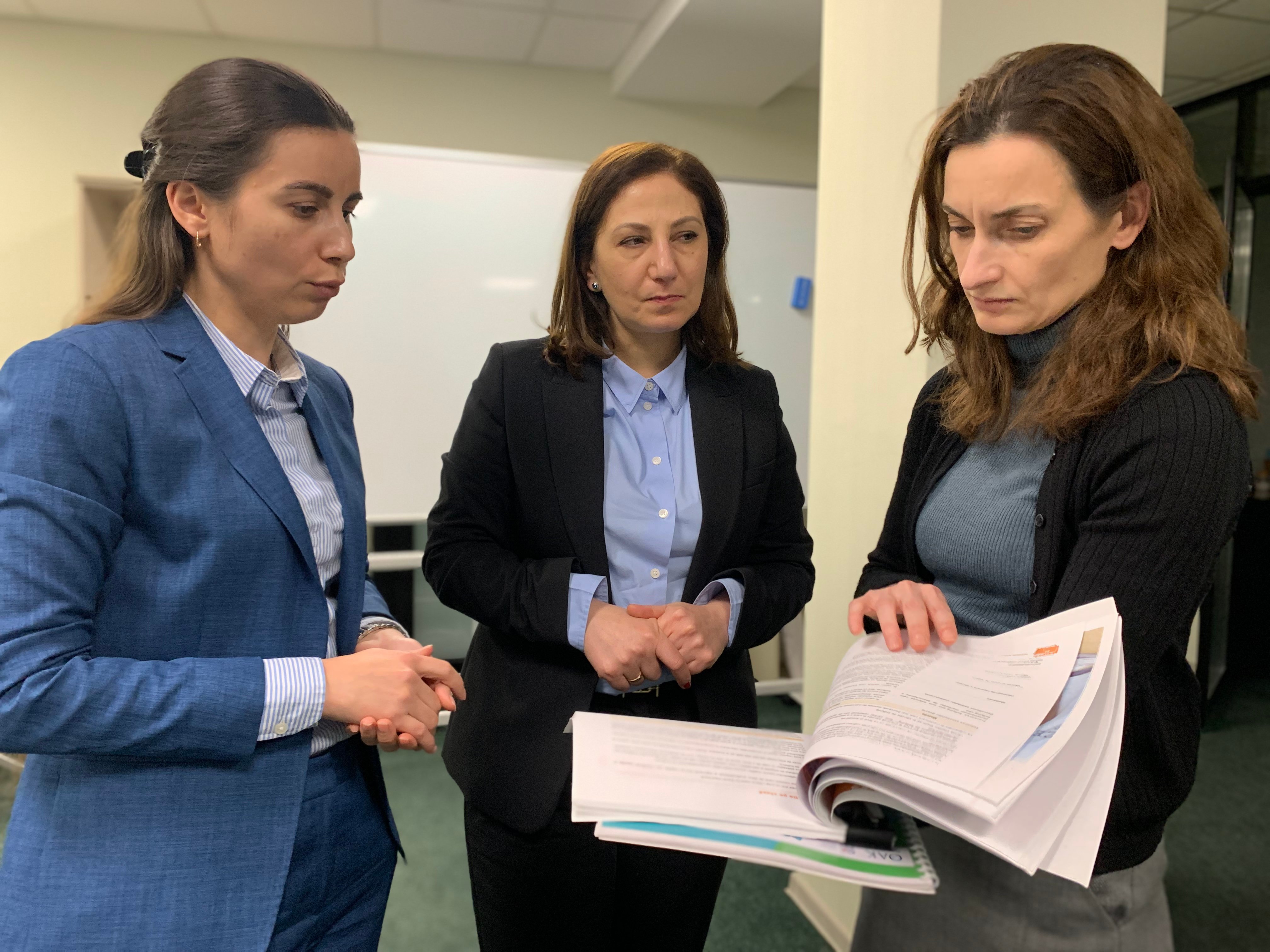
L’étude comprend également des témoignages de directeurs d’écoles et des maternelles, qui sont censés accompagner les enfants ayant des besoins particuliers mais qui manquent souvent des ressources et des conseils nécessaires. Elle comprenait également des entretiens avec des enseignants qui se sentent mal préparés à intégrer efficacement ces élèves, ainsi qu’avec des parents qui hésitent à faire évaluer leurs enfants par crainte de la stigmatisation et du harcèlement. « Cette étude n’est pas une lecture facile », déclare Irina Popusoi. « Mais nous l’avons menée afin d’ouvrir les yeux des décideurs politiques sur l’ampleur et la nature des problèmes. Et nous en voyons déjà les effets, puisque plusieurs recommandations ont été intégrées dans les budgets et les plans », ajoute-t-elle. « L’étude a permis d’identifier les problèmes les plus urgents et nous a facilité la mise en œuvre des recommandations », confirme Diana Meleca, du service d’assistance psychopédagogique d’Ialoveni, l’un des centres de district mis en place par le gouvernement. À Ialoveni, la priorité est désormais donnée à la formation des enseignants, à l’augmentation des ressources destinées à impliquer et à soutenir les parents, et une coopération plus étroite a été mise en place avec les médecins de famille afin d’identifier et d’évaluer précocement les enfants présentant des besoins éducatifs particuliers.
Mettre l’inclusion à l’honneur
Mettre en lumière les problèmes ne constitue toutefois qu’un aspect de la stratégie de plaidoyer de l’APSCF. Un autre consiste à présenter les solutions et les bonnes pratiques, et à mettre à l’honneur les acteurs qui réussissent. L’une de ces initiatives est le GALA de l’éducation inclusive.
« Les données seules peuvent sembler pesantes : une liste de tout ce qui ne va pas. Le GALA en constitue l’autre facette. Il présente aux responsables politiques et au grand public une image différente : des enfants qui s’épanouissent, des enseignants fiers de leur travail, un avenir dans lequel il vaut la peine d’investir. C’est une porte bien plus facile à franchir pour les gens », explique Irina Popusoi.
Le GALA de l’éducation inclusive est une cérémonie annuelle de remise de prix organisée par l’APSCF afin de mobiliser les établissements scolaires, les médias, les responsables politiques et les communautés locales autour de la cause de l’éducation inclusive. L’APSCF définit un ensemble de critères et sélectionne les lauréats parmi les écoles et les écoles maternelles nominées.
« Au fil des ans, nous avons pu constater à quel point le GALA contribue à sensibiliser à la question de l’inclusion et à mieux comprendre ce que cela signifie concrètement. Les critères définis aident également à orienter les priorités et les débats au niveau local, tandis que l’événement lui-même constitue un excellent point de départ pour que les institutions incitent les pouvoirs publics à améliorer les conditions de vie locales. Et, bien sûr, il rend hommage à ceux qui mènent ce changement et leur redonne du courage », déclare Ina Cazacu, membre du comité du GALA.
L’inclusion est une promesse
La prochaine étape pour Irina Popusoi et la coalition APSCF consiste à tirer parti de la dynamique créée par cette étude et soutenue par le GALA ainsi que par d’autres initiatives telles que la conférence nationale sur l’inclusion.
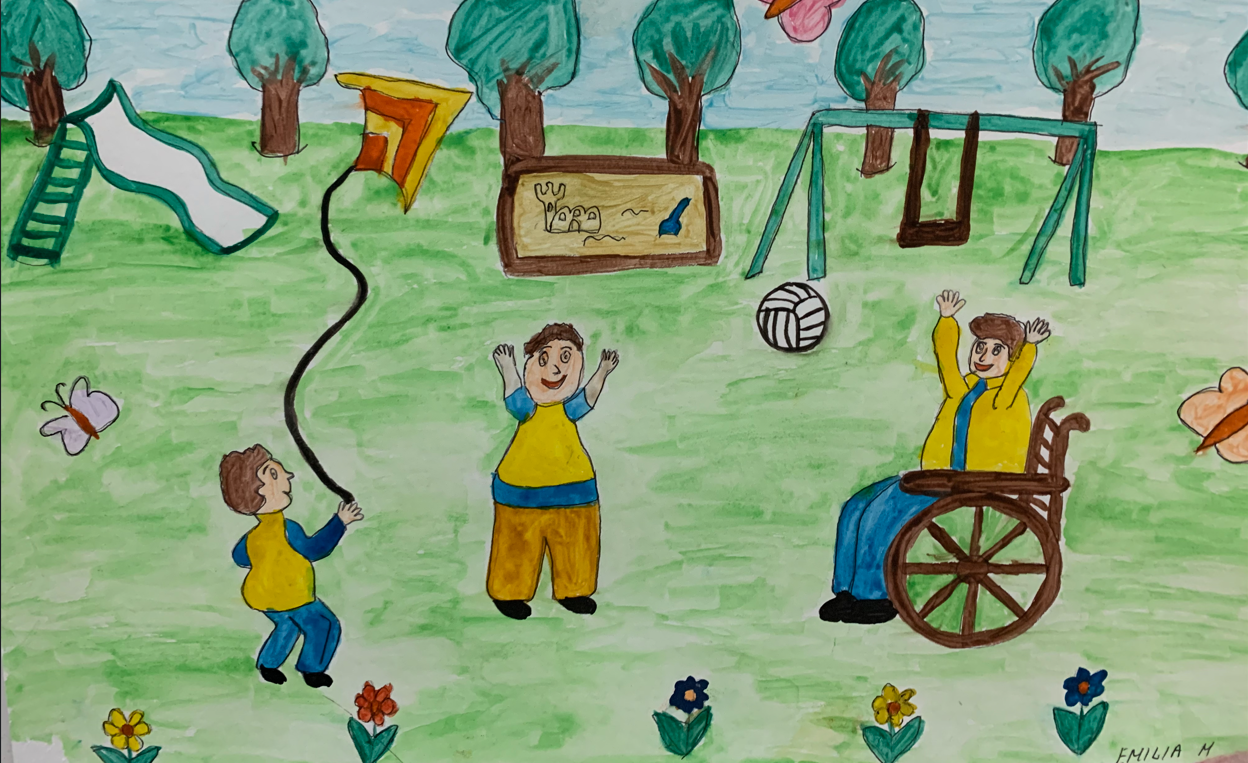
« L’inclusion n’est ni un projet ni une politique sur le papier : c’est une promesse faite à chaque enfant de lui faire sentir qu’il a sa place. Pendant trop longtemps, les enfants ont été mis de côté, hors de vue et hors de l’esprit des gens. Aujourd’hui, nous les ramenons au grand jour, dans les salles de classe, au sein des communautés et vers l’avenir qu’ils méritent. Et nous poursuivrons nos efforts jusqu’à ce que cette promesse devienne réalité pour chaque enfant en Moldavie », déclare Irina Popusoi.
Le GALA pour l’éducation inclusive
- Organisé chaque année par l’Alliance des ONG actives dans le domaine de la protection sociale de l’enfant et de la famille (APSCF), le GALA de l’éducation inclusive est à la fois une plateforme de plaidoyer et une célébration des progrès accomplis. Soutenu par Education à Voix Haute, cet événement rassemble des institutions, des décideurs politiques, des médias et des acteurs de la société civile afin de sensibiliser le public et de stimuler le dialogue sur l’éducation inclusive en Moldavie.
- Au cœur du GALA se trouve un prix national qui récompense les écoles et les écoles maternelles faisant preuve d’engagement, d’innovation et de leadership en matière d’inclusion. En mettant publiquement à l’honneur ces efforts, cet événement encourage d’autres acteurs à agir et montre que les pratiques inclusives sont à la fois possibles et efficaces.
- Au-delà de la reconnaissance qu’il apporte, le GALA constitue un puissant outil de plaidoyer qui contribue à influencer les décideurs et à renforcer l’engagement en faveur de l’éducation inclusive à l’échelle nationale.
- L’un des éléments clés réside dans l’ensemble de critères élaborés par le comité GALA. Ceux-ci reflètent l’orientation souhaitée pour le système éducatif – de l’accessibilité et de la coopération à la défense des intérêts et à l’innovation – et constituent en eux-mêmes un outil de changement. De nombreux établissements alignent activement leur action sur ces critères, définissant ainsi les priorités locales et favorisant les progrès.
- Plus d’informations:
https://educationoutloud.org/impact/gala-event-promotes-inclusive-education-moldova