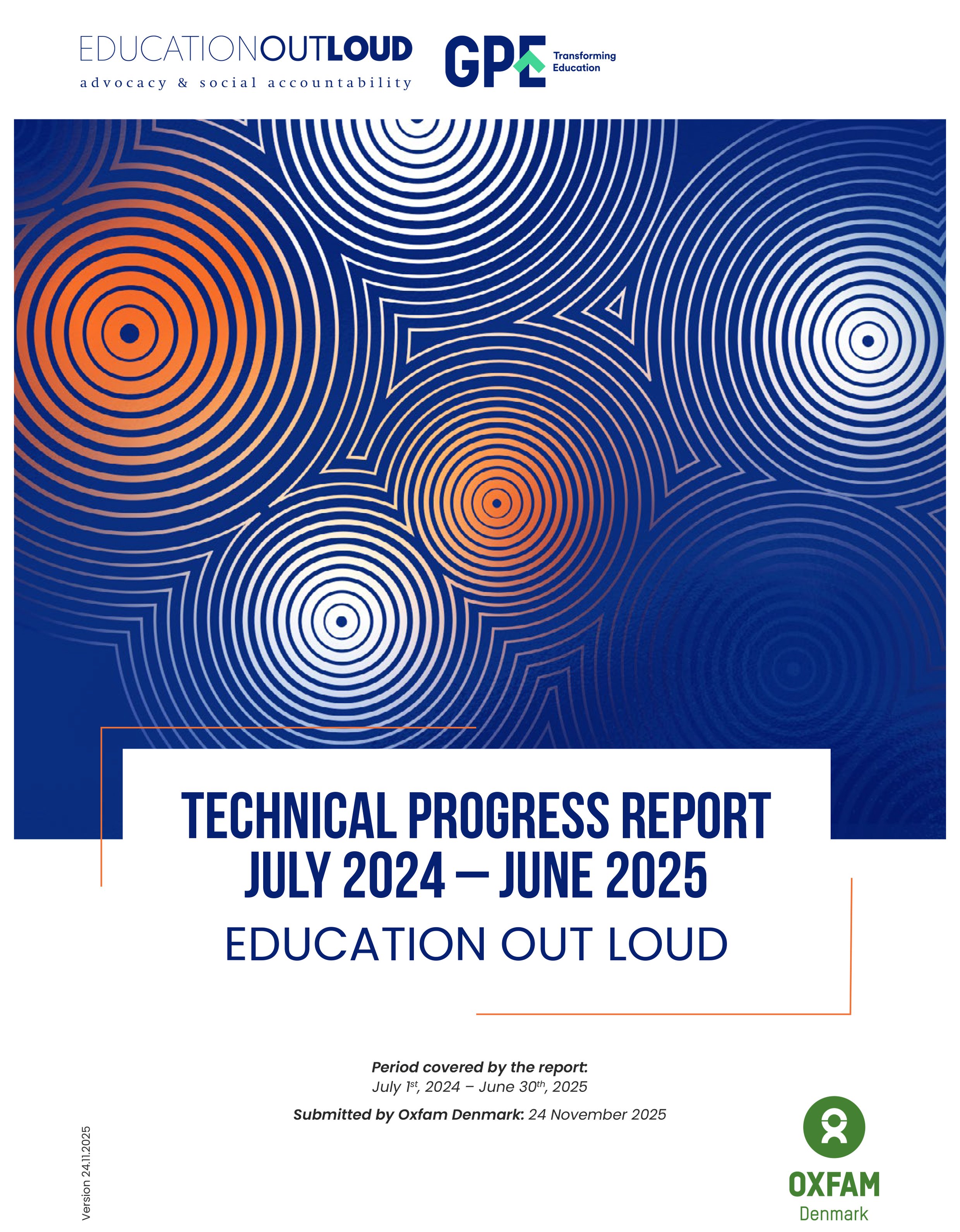
Education Out Loud Technical Progress Report shows significant results in education
We are excited to share the latest Technical Progress Report, covering July 2024 to June 2025. After seeing results emerge throughout the years, we are now witnessing the rich effects of grantees’ efforts: tangible progress and systemic change in education systems.
Education Out Loud Technical Progress Report 2024/2025
“It’s truly encouraging — we are thrilled to see the difference grantees are making to build better education systems for children and adults, especially the most vulnerable,” says Stephanie Mekinda Ndongo, Regional Programme Manager for Education Out Loud in West and Central Africa.
The Technical Progress Report confirms that civil society organisations supported by Education Out Loud have moved decisively into influencing policy, strengthening accountability, and generating evidence — all critical for inclusive and equitable education systems.
“These achievements reflect the consolidation of years of capacity-building and advocacy, now translating into tangible results,” says Stephanie Mekinda Ndongo.
57 national policy changes
Lasting, widespread change in education happens when governments work with civil society to make the right policy choices and follow through on them. That is why Education Out Loud places policy change at the very heart of its mission, and why we track these shifts every year as one of the programme’s most important measures of success.
This year, grantees influenced 57 national policy changes across 28 countries, alongside 2 global and 3 regional changes. These reforms address inclusion, financing, and quality improvements, ensuring education systems respond to the needs of all learners.
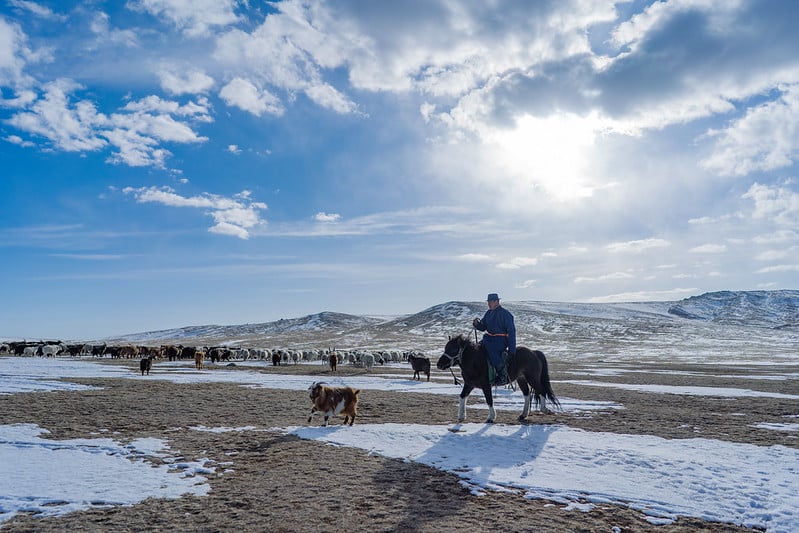
Some examples of these policy changes include Yemen, where the government adopted the Education Sector Strategic Plan 2024–2030, ensuring inclusion of girls, children with disabilities, and marginalised communities. Another policy change was achieved in Uganda, where the education budget increased by 11.5%, with provisions for special needs education and teacher development. Mongolia adopted comprehensive guidelines for bilingual education, ensuring ethnic minority Kazakh and Tuvan children can learn in both their mother tongue and Mongolian. And in Bolivia, grantees helped shape municipal policy discussions, ensuring that implementation of the Education Law and the national education model reflected priorities on interculturality, indigenous languages, and gender equality.
This year’s report also introduces a new focus on initiatives that complement policy reforms by embedding inclusive practices in education systems. During the reporting period, 19 initiatives on transformative and inclusive education were adopted by governments. For example, in Nepal, the monitoring checklist for free and compulsory education was revised to include gender-disaggregated data, strengthening gender-responsive monitoring. Similarly, in Indonesia, school-based task forces were established to address gender-based violence, creating safer learning environments.
99 cases of evidence generation
Producing credible evidence remains a cornerstone of effective advocacy. This year, grantees published 99 studies, reports and assessments, including budget analyses, SDG4 spotlight reports, and thematic studies on inclusion and education in emergencies.
These outputs have informed policy dialogue and strengthened civil society’s voice. For example, in Malawi, research on gaps in education financing for girls and children with disabilities informed parliamentary advocacy. In Bolivia, a civil society report on systemic education challenges shaped national policy dialogue.
75 social accountability mechanisms
Another critical area of progress is social accountability mechanisms that enable citizens to monitor education commitments and hold governments accountable. This year, 75 social accountability mechanisms were created or strengthened.
“Mechanisms like these are key contributors to enhancing transparency and citizen engagement,” says Kristina Weibel, MEL Advisor, Education Out Loud. “They play a crucial role in making education systems more responsive, ensuring that commitments are followed through, and that citizens have meaningful ways to participate in shaping the quality of education they receive.”
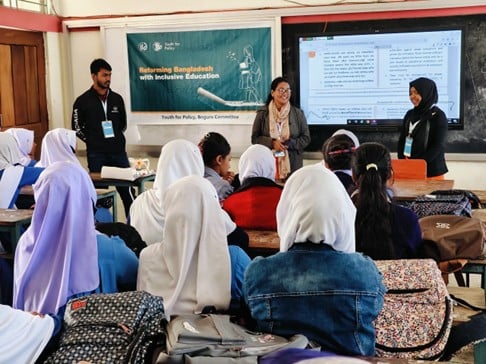
For instance, in Bangladesh, CAMPE strengthened School Management Committees to include marginalised voices in school planning, and in Ghana, School for Life spearheaded the Open School Data initiative, giving communities access to school-level data on performance and finances.
Other highlights from the year
Beyond the key indicators, the report also shares several important achievements and developments that shaped this reporting period. Among these highlights:
- External Review: An independent evaluation by INTRAC commended Education Out Loud as “well-managed, effective, and strategically important” — a strong endorsement of the programme’s relevance and impact.
- Gender Equality and Social Inclusion (GESI): A dedicated call for proposals enabled 27 grantees to deepen their work on inclusion, reinforcing our commitment to gender-responsive and equitable education systems.
- Participation in Policy Forums: Civil society’s voice in decision-making continues to grow. Today, 93% of grantees are members of local education groups, actively influencing national education agendas and ensuring that marginalised perspectives are heard.
- Learning: Capacity-building remains a cornerstone of our approach. This year, we supported 29 learning collaboratives, alongside peer-to-peer exchanges and online training, helping grantees strengthen strategies and share best practices.
“The results demonstrated in this progress report are testimonies that inclusive, equitable education is possible when voices from the ground are heard and empowered. It is a privilege for Education Out Loud to support civil society organisations on this journey, providing support and learning opportunities that help turn advocacy into action,” says Sohail Aziz, Regional Programme Manager for Education Out Loud in Asia-Pacific.
Explore the full report: Education Out Loud Technical Progress Report 2024–2025.