
Malene Aadal Bo
Sexual Education — Could It Keep Honduran Students in School?
High drop-out rates and teenage-pregnancies are jeopardizing young peoples right to education in Honduras. The national education coalition, Foro Dakar, is working to prove that more knowledge about sexual health and reproductive right is part of the answer.
Interview
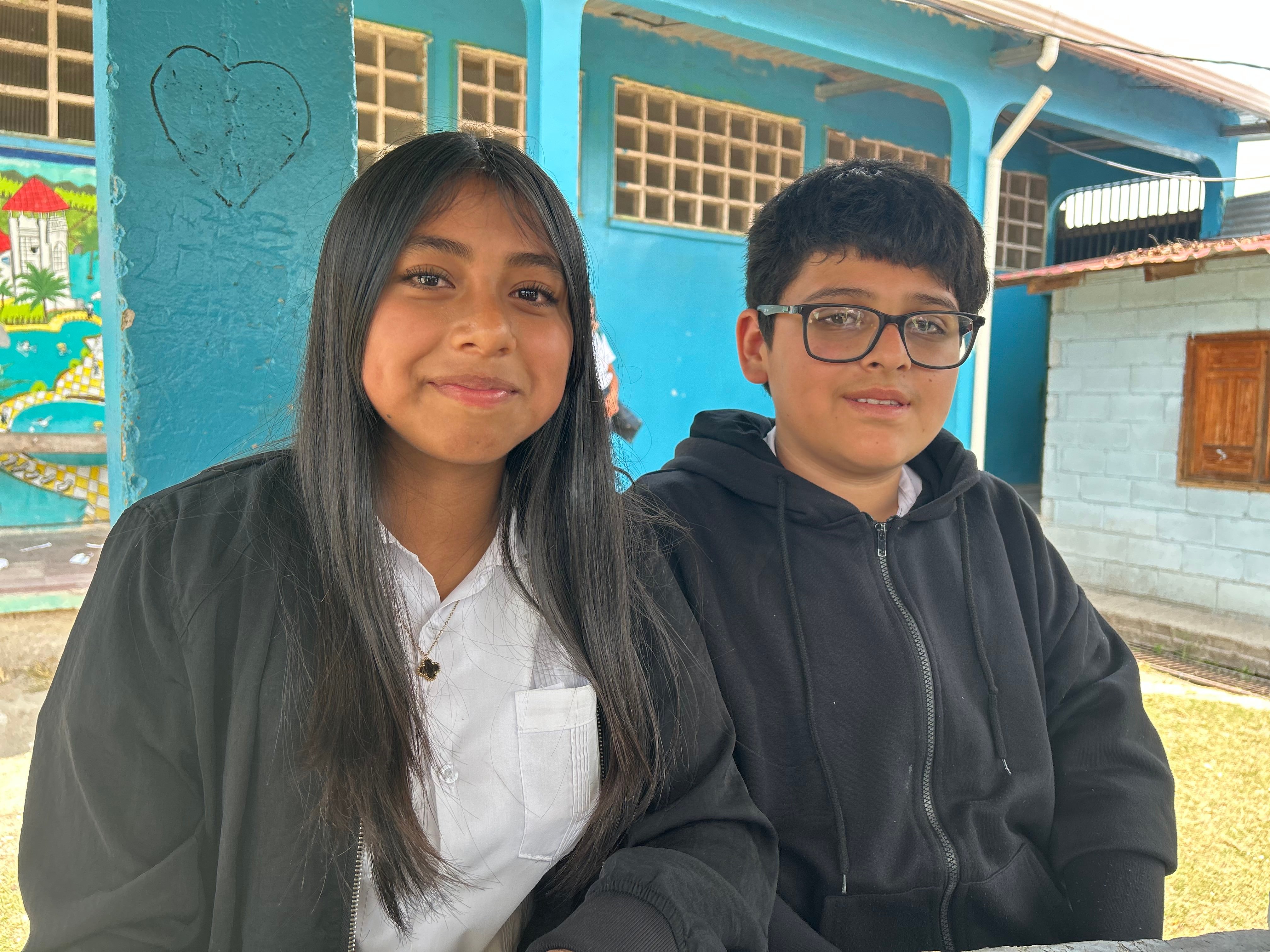
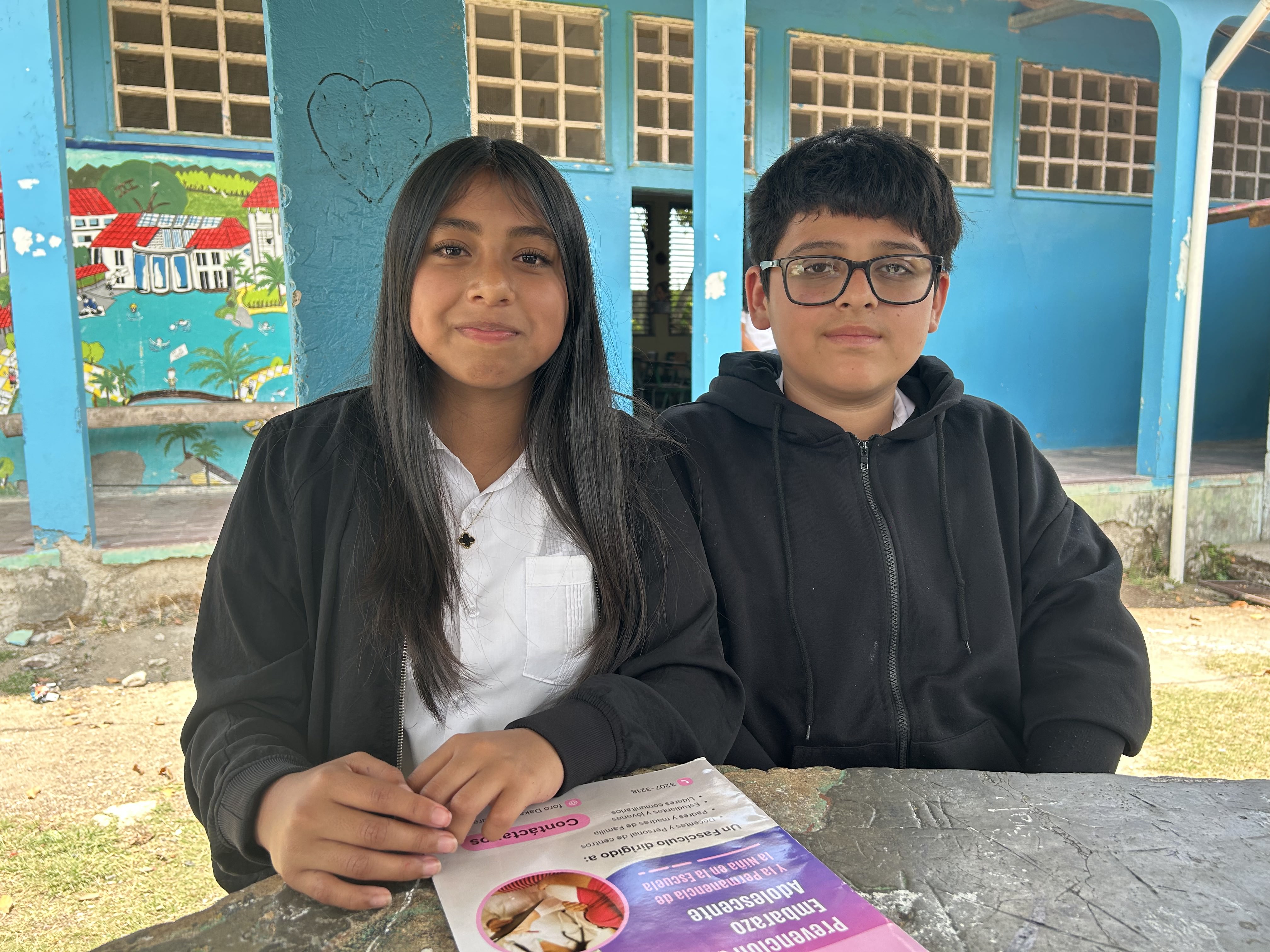
Daniela and Andrés* are 13 years old and students in Ojojona, where Foro Dakar Honduras is working with the management and teachers to offer classes on sexual health and reproductive rights.
A: “Our parents never talk with us about these things, so it is important that we learn about it here. Learn about relationships, how to protect ourselves, and how to be safe.”
D: “We all have friends who have ended up in a bad situation and didn’t know where to go. And I’ve been afraid that something would happen to me. But I am calmer now that I know more and learned that there are people I can trust.”
A:” It would be good if we all know more so that we as students can help each-other. Many of us can’t discuss sex or anything like that with our parents or teachers – it would be very awkward, and I don’t think they would have anything useful to offer. So, we need to be able to talk to our friends.”
D:” And we need to know more about how to be protected from sexual abuse and how to report it if anything happens. How to make people believe you and help you.”
A: “There is still a lot we don’t know but I think we have less fear now and are more confident to reach out and ask questions.
*names have been changed to protect their privacy
It is far from easy to convince people in Honduras that sex is something schools should teach, and Foro Dakar, who has been advocating for this for years, has faced significant resistance. But teenage pregnancy and gender-based violence remain serious concerns in Honduras, with important implications for students’ safety, wellbeing and ability to participate fully in education. Against this backdrop, some local education authorities are now opening their classrooms to Foro Dakar to pilot its materials and approach, exploring how sexual and reproductive health and rights (SRHR) can be addressed with young people.
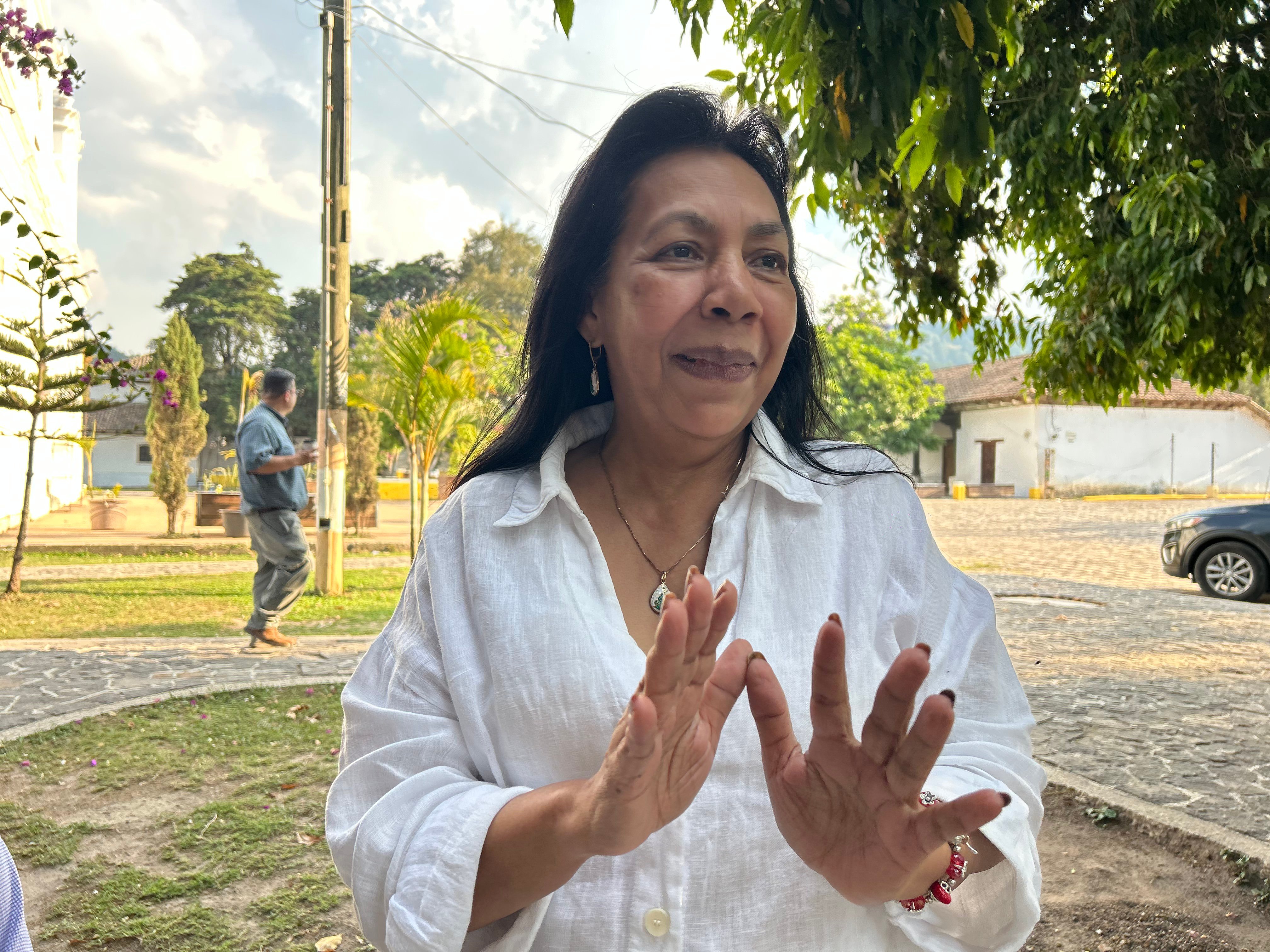
“Since 2020 we have been talking with school authorities, with communities, with teachers, with local governments to introduce education on SRHR,” said Aminta Navarro, director of Foro Dakar Honduras. “It is a big win having municipalities opening their classrooms to us,” she added, “and it is important for us to test our approach and to gather evidence to advocate for strengthening sexual and reproductive health in education laws and policies.”link ipsum sit nec urna velit lacus. Justo habitasse lorem fringilla ullamcorper consequatur. Vel erat a at velit sed. Nunc morbi eu eros ultricies tortor.
Inside a Classroom in Ojojona
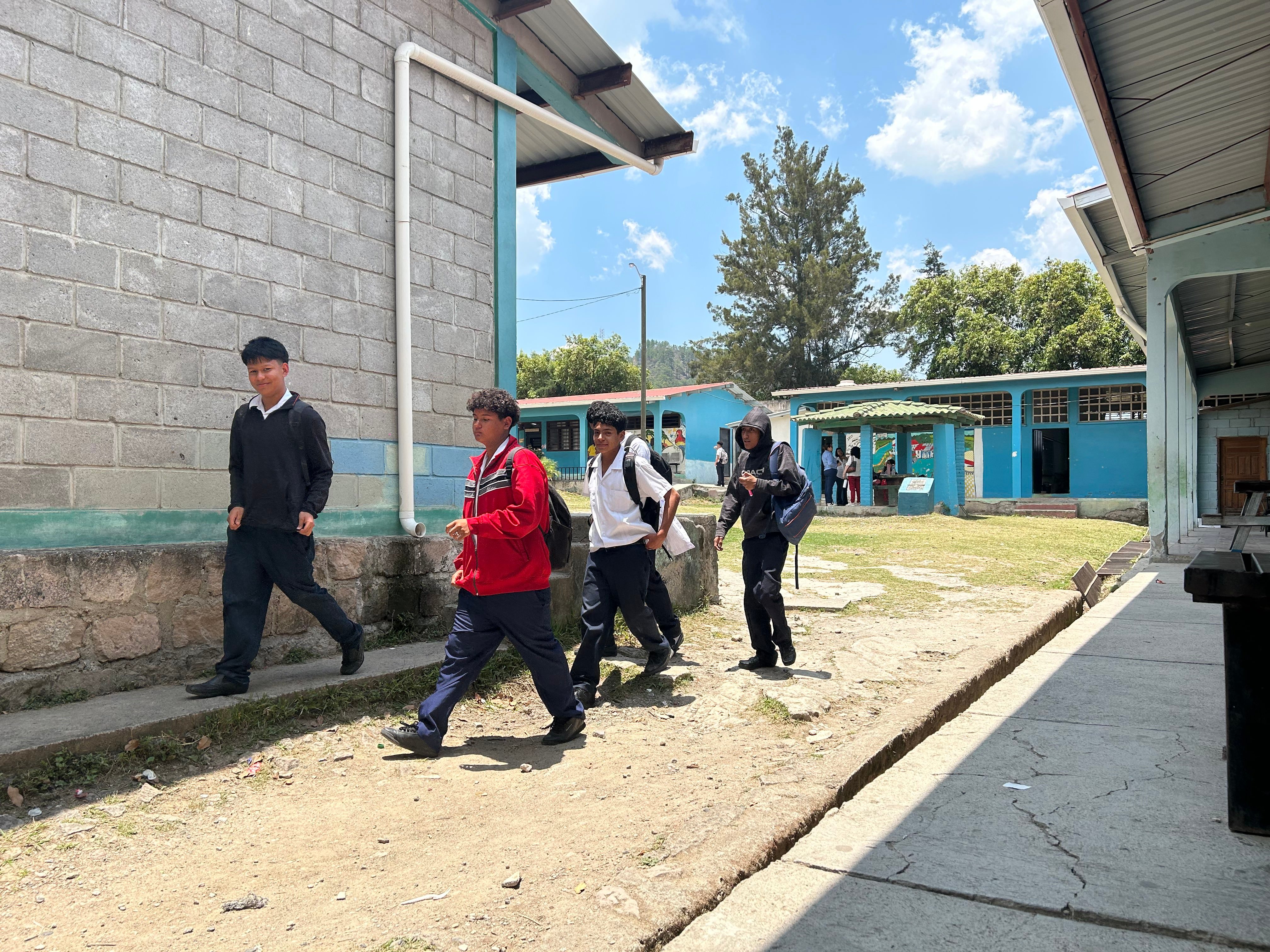
One of the schools that has opened its doors to Foro Dakar Honduras is the High School in Ojojona, an old town in the department of Francisco Morazán, some 34 kilometres south of the capital, Tegucigalpa. It is an area where teenage pregnancy and drop-out rates are among the highest in Honduras, and where sex is a widespread taboo.
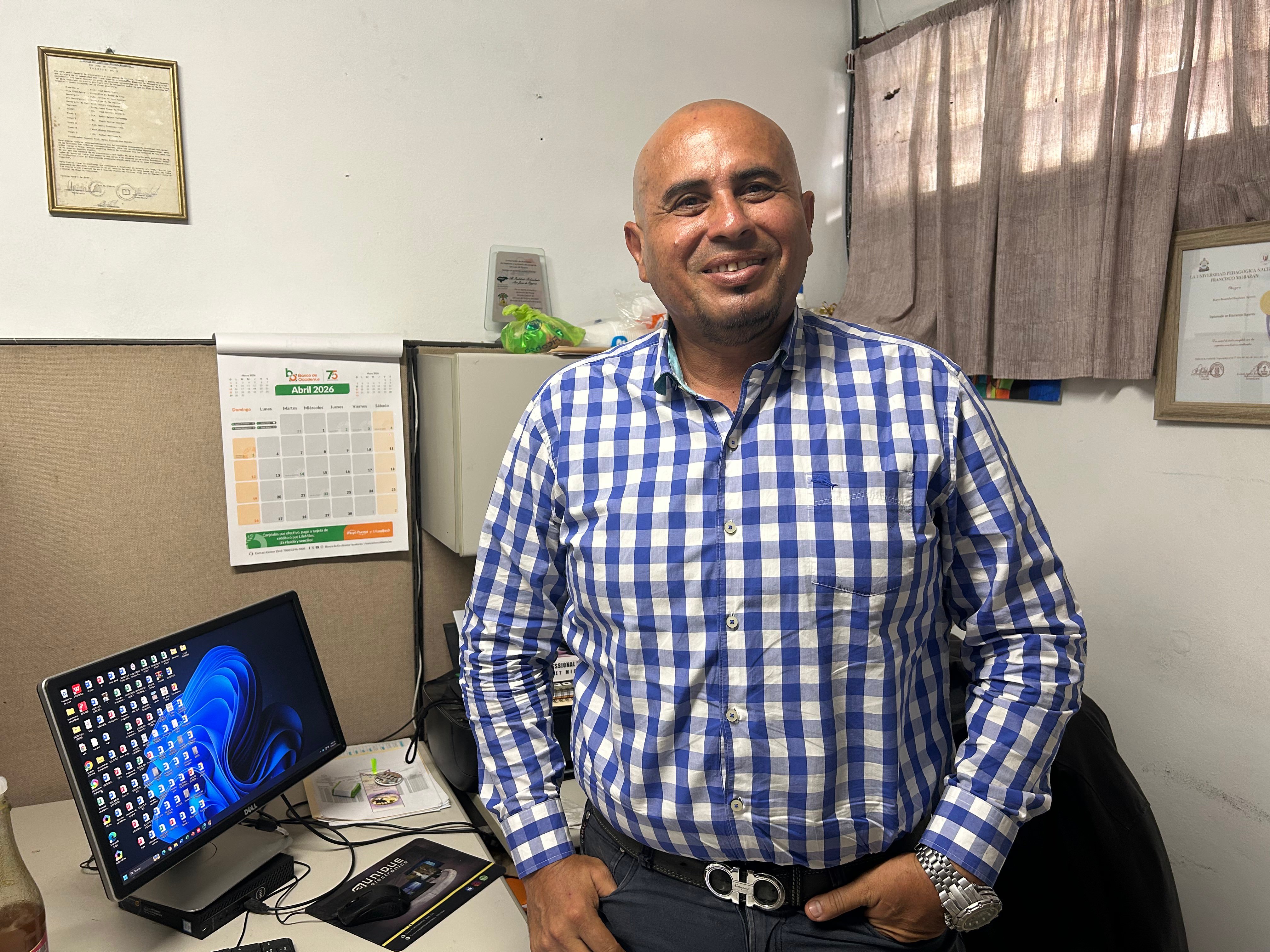
“As a young boy I was taught to stay away from females – that their smell alone was enough to cause trouble. I really want today’s youth to know better,” said principal Mario Barahona, Ojojona High School.
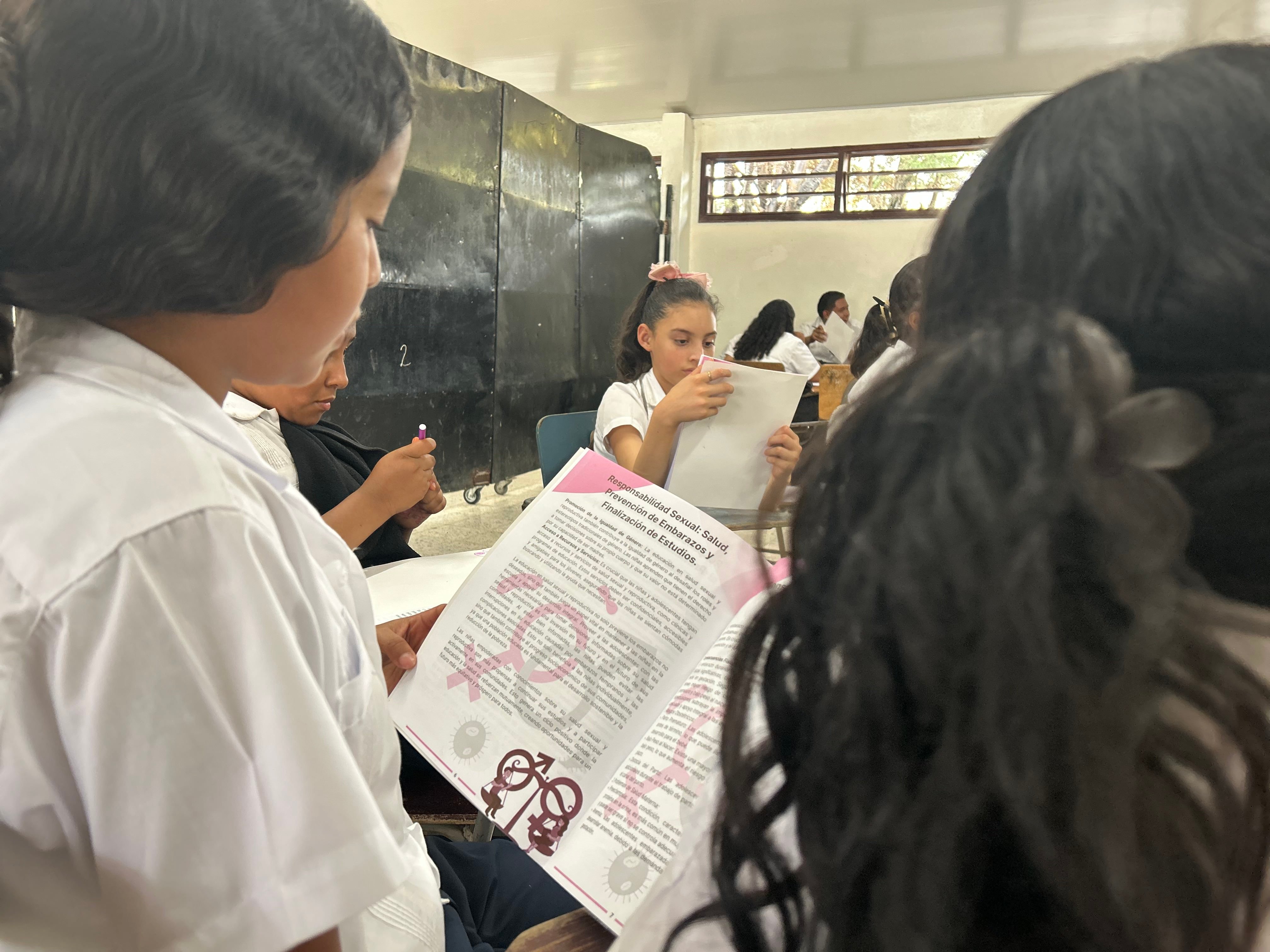
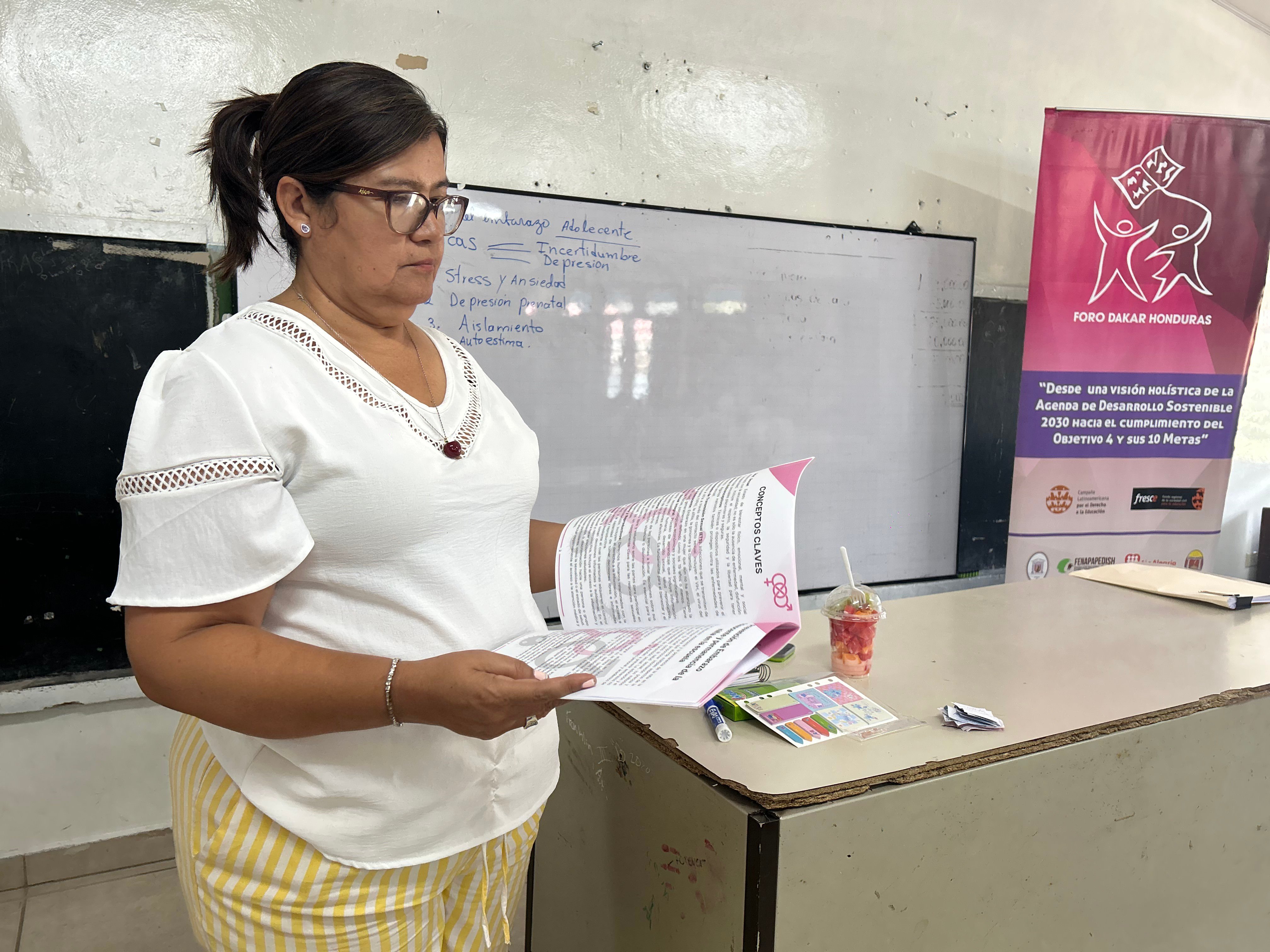
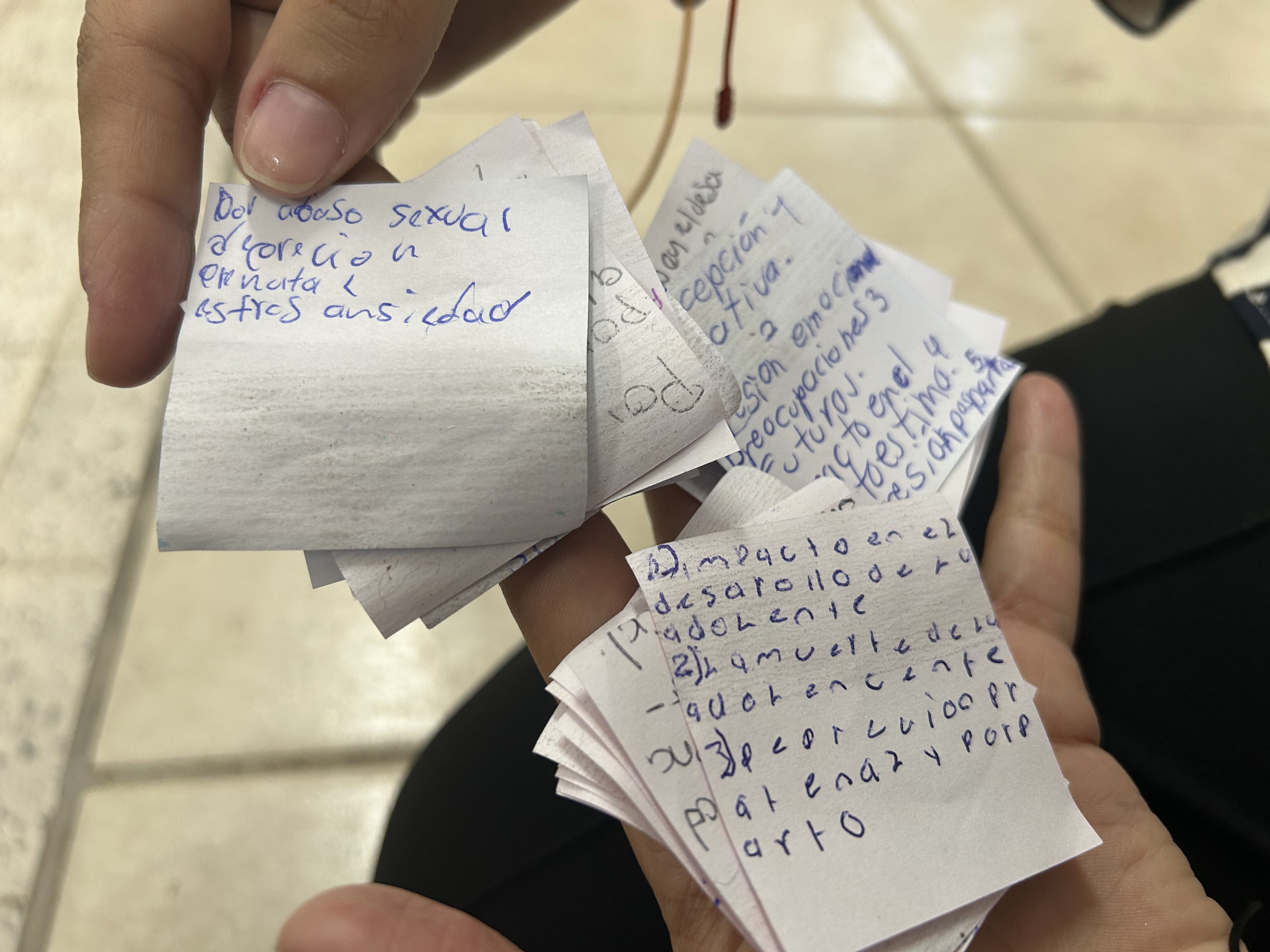
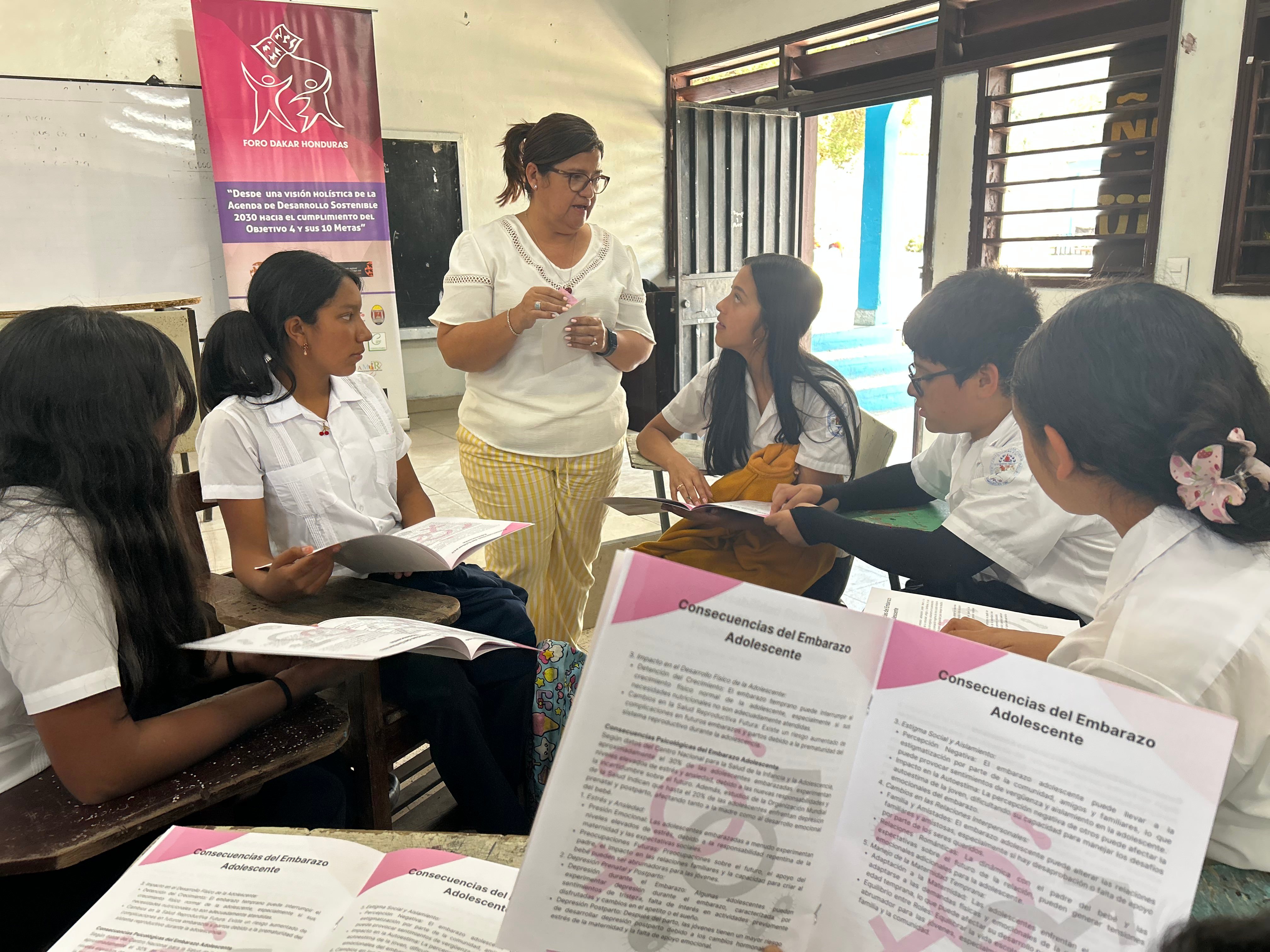
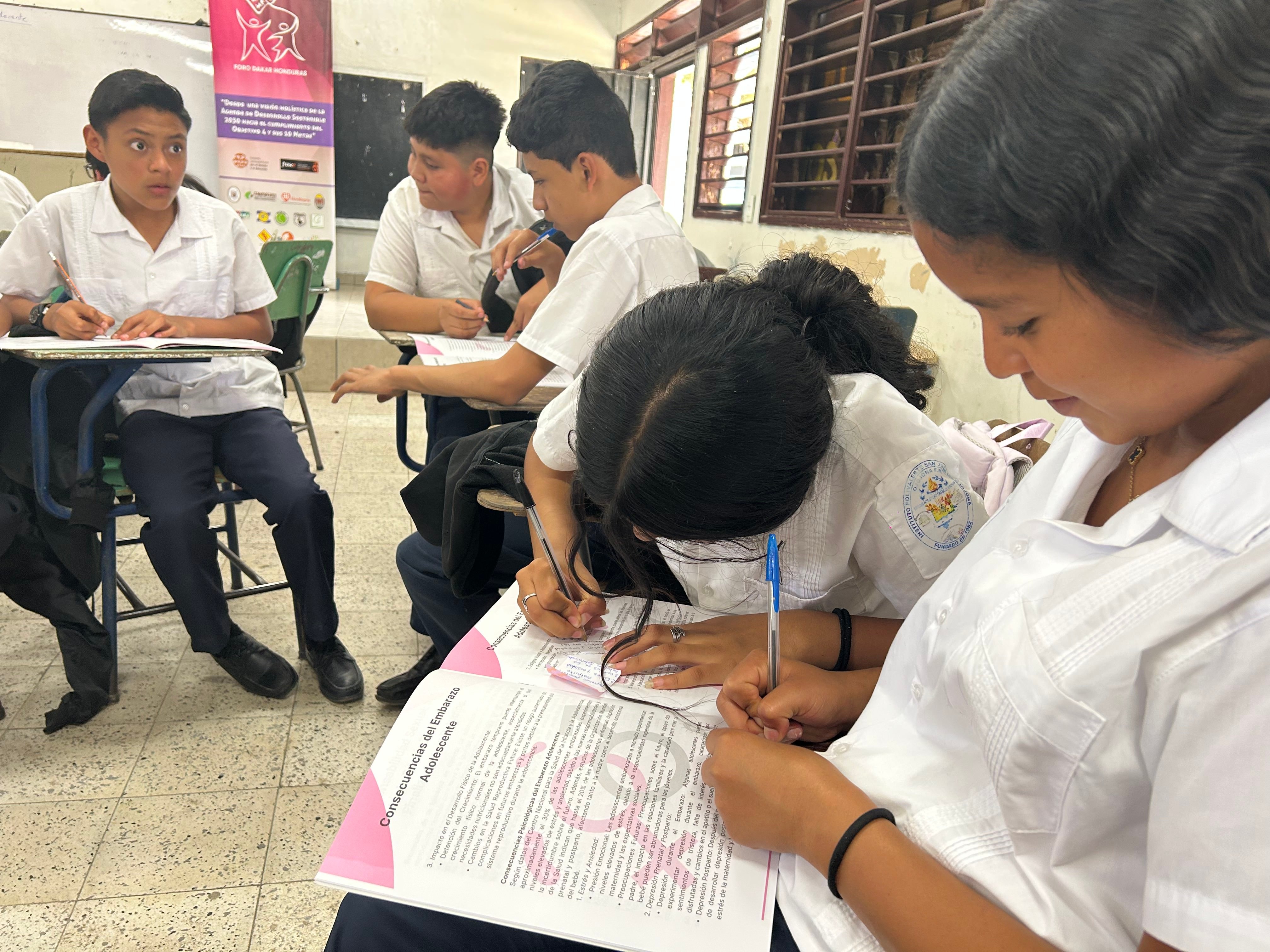
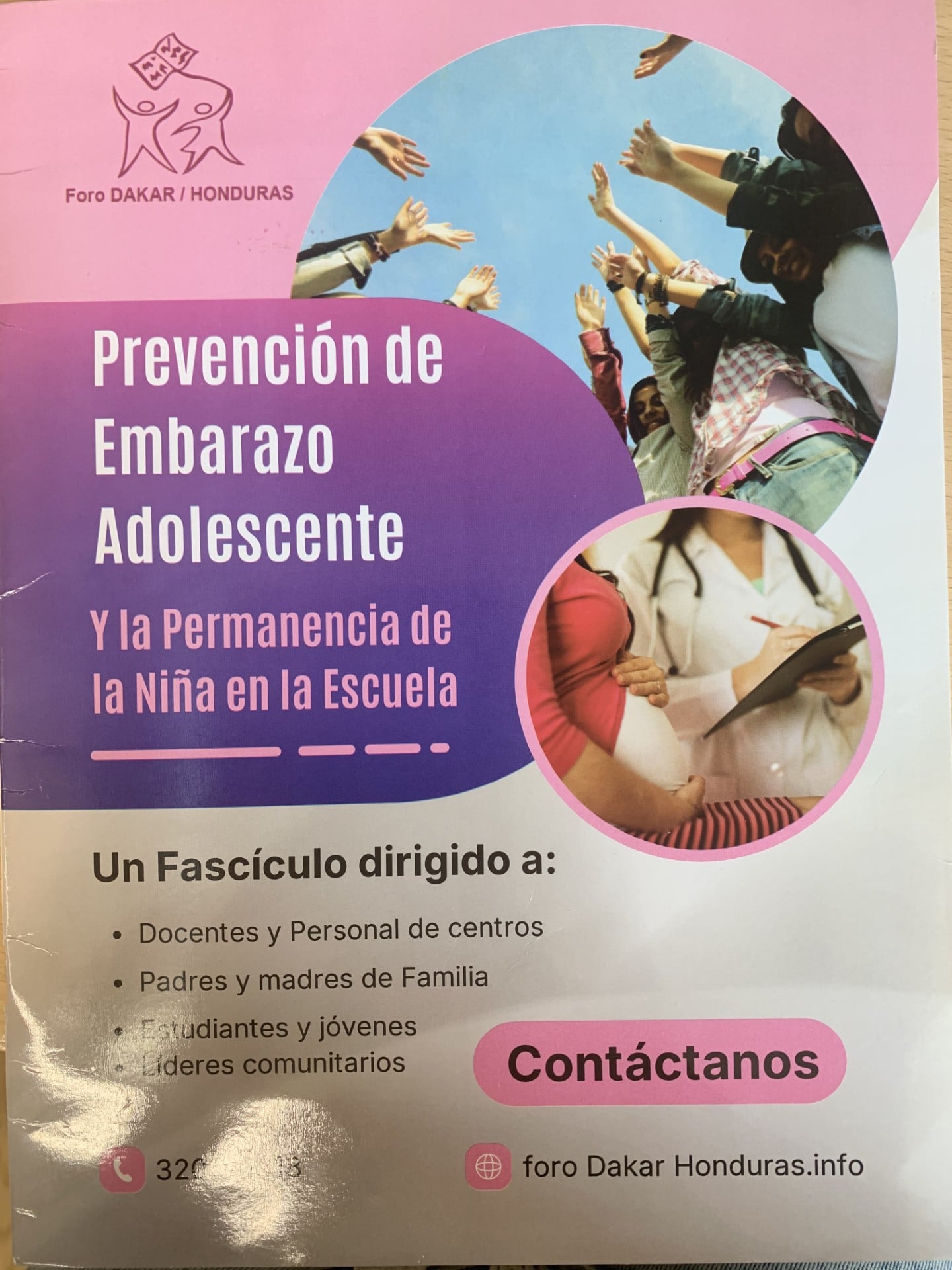
Seeing the concentrated, slightly shy gazes and many raised hands in the class of teacher Janneth Padilla Carnigales, it seems the youth share his ambition — they really want to know. Some 30 boys and girls in their early teens, each holding a copy of the booklet “Prevención de Embarazo Adolescente y la Permanencia de la Niña en la Escuela » (Preventing Teenage Pregnancy and Keeping Girls in School) are discussing early pregnancies negative effect on education. There are many inputs but even more questions to the teacher; whether you can get pregnant before your first period, how to have a boyfriend without getting pregnant, how to avoid unwanted sex. And then the issue of abuse.
A Hidden Concern
“They wanted to know when you consider it abuse, what you can do to avoid it, whether you can report it, whether anyone would ever believe you if you did, and how to help friends who have been victims of abuse. I was surprised to see that abuse is such a big concern,” said Janneth Padilla Carnigales.
As far as she knows, there haven’t been any cases of abuse at the school or involving any of her students and the principal confirms that they don’t have any assault cases, and no dropouts officially linked to GBV or early pregnancy. But according to statistics, abuse, GBV and teenage pregnancies are widespread in Ojojona and talking to the students themselves they “all know someone who has been abused.”
But the youth rarely confide in either their parents or their teachers.
« Many of us can’t discuss sex or anything like that with our parents or teachers — it would be very awkward, and I don’t think they would have anything useful to offer, » says one of the students, Christian.
From Local Advocacy to National Change
Acknowledging that abuse cases can be difficult to bring forward, part of Foro Dakar’s work is to support community members in doing local advocacy — in this case, teaming up with the local police, legal system, and authorities to set up a safe and efficient abuse-reporting mechanism. Another part is to support the development of school policies addressing gender-based violence and inequality, and municipal policies ensuring a conducive environment for both girls’ and boys’ development and education.
« To support lasting change, it is important to bring research and evidence to the national level to influence national policies, but it is equally important to have active communities that advocate for changes at the local level,” said Aminta Navarro from Foro Dakar Honduras and mentioned developing school and municipal policies, establishing social accountability mechanisms, and local plans that ensure various complaint cases lead to the necessary action as examples.
Over the next year, Foro Dakar Honduras will roll out comprehensive sexuality education in Ojojona, while inviting other schools and municipalities on board. The insights gathered will help fine-tune the approach and teaching materials, and the wider impact on students and communities will feed into advocacy on the new education law and curriculum currently being developed by the government.
Facts: Foro Dakar Honduras and sexual education
- Foro Dakar Honduras is the national education coalition, founded in 2001. Addressing teenage pregnancy and GBV in schools has long been a priority for Foro Dakar, as both are among the main reasons girls drop out or fall behind in learning.
- Honduras has one of the highest adolescent pregnancy rates in Latin America, with around 1 in 4 girls giving birth before age 19, and UNFPA and others note that adolescent pregnancy puts girls at risk of dropping out and long-term socioeconomic exclusion. Drop-out rates are high overall, and only about 40% of girls complete lower secondary education. GPE KIX, among others, has documented how gender stereotypes, sexism and machismo shape violence and harmful practices in rural education settings.
- Comprehensive sexuality education (CSE) would likely help reduce teenage pregnancies and improve sexual and reproductive health outcomes with CSE increasing knowledge, improving contraceptive use, and challenging harmful gender norms.
Read more: www.forodakarhonduras.info
- Several attempts by Foro Dakar Honduras and wider civil society to get sexual and reproductive health and rights (SRHR) into the legal framework on education have had limited results, as sexuality education remains a sensitive and contested issue in Honduras.
- But the National Gender Equality and Equity Plan, which also touches on education, has recently opened a door for national advocacy, and in October 2026, the education ministry approved a work plan to strengthen violence prevention and response in and around schools.
Foro Dakar’s local experience could inform national efforts to address school violence through the UNICEF- and GPE-supported Safe to Learn agenda. - At the local level, Foro Dakar has been invited to pilot sexual education in high schools, gathering evidence on how to implement it effectively.
The organisation has developed teaching materials, trained teachers and school management, and worked with local communities to raise awareness of how GBV and teenage pregnancy jeopardise children’s futures. - Building on this evidence, Foro Dakar will advocate to keep and strengthen gender equality in the education law the new government is currently developing, and to get SRHR included in an updated high school curriculum. They also want to push for a public policy on pregnant girls in schools, and for municipal-level policies to prevent GBV in schools.