
Un vent de changement souffle en Moldavie : comment l’action communautaire a permis de renforcer l’aide à la parole chez les enfants
Ce qui n’était au départ qu’une préoccupation locale liée aux longs délais d’attente pour bénéficier d’une orthophonie pourtant indispensable s’est transformé en une formidable réussite de mobilisation communautaire, qui a permis de recruter cinq orthophonistes supplémentaires pour aider les enfants de Drochia à rattraper leur retard par rapport à leurs camarades.
Le défi
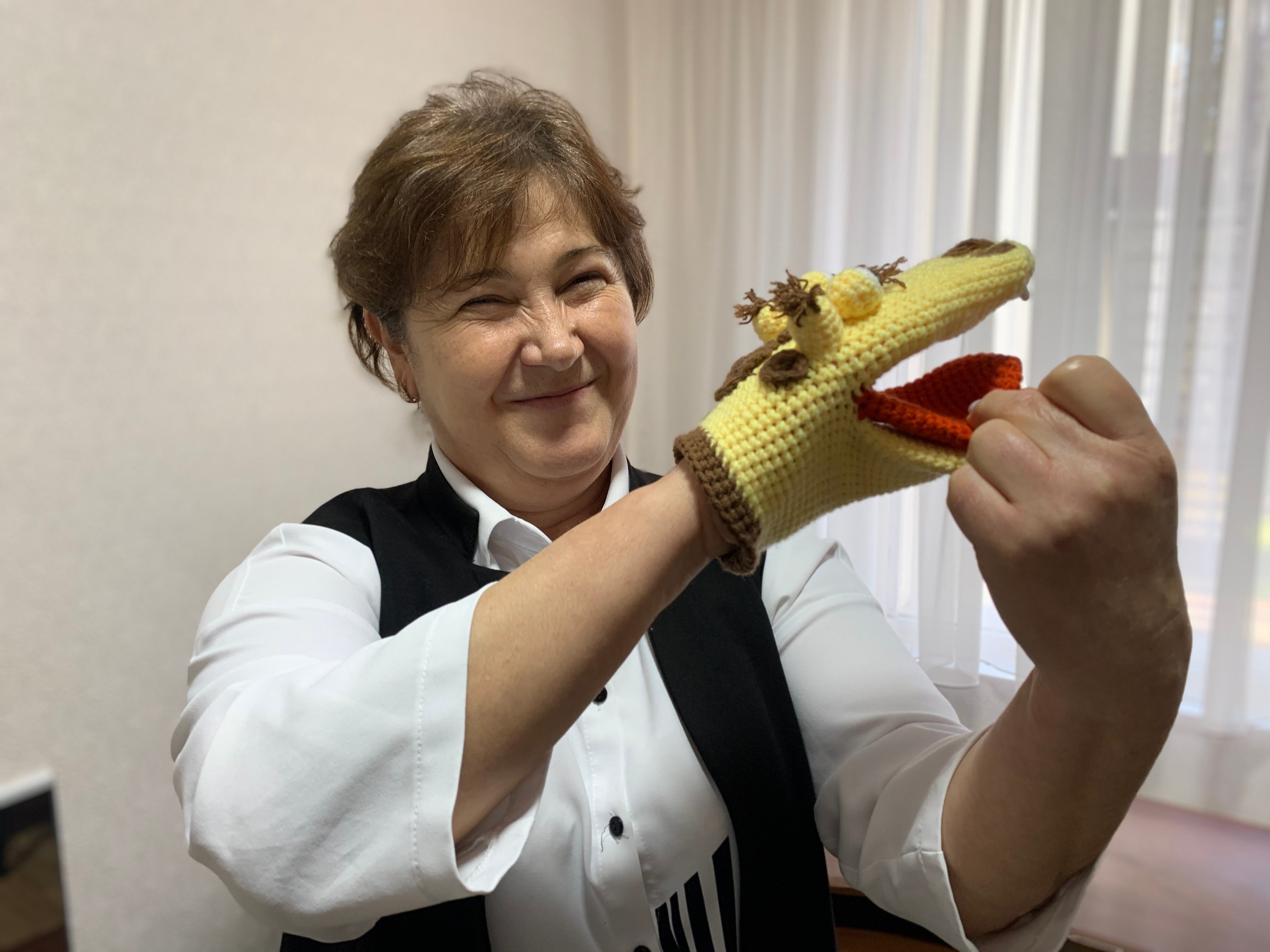
Malgré des besoins croissants, un seul orthophoniste était disponible en 2023. Les enfants souffrant de troubles de la parole à Drochia — dont le nombre total est estimé à environ 800, soit 18 % de la population infantile — devaient faire face à de longs délais d’attente et à un accès limité aux soins. Bon nombre de ces enfants sont issus de zones rurales, où il n’existait aucun accès à l’orthophonie préscolaire.
Par exemple, dans les zones rurales dépourvues de services d’orthophonie, plus de 130 enfants ont été identifiés comme présentant des troubles de la parole, et plus de 100 d’entre eux rencontraient déjà des difficultés scolaires — ce qui met en évidence un lien évident entre un accompagnement précoce en orthophonie et les résultats scolaires ultérieurs.
Aujourd’hui, Drochia compte cinq orthophonistes. Cependant, des difficultés subsistent. Le système actuel d’affectation des orthophonistes repose sur la taille des écoles maternelles plutôt que sur les besoins réels, ce qui exclut souvent les petites localités ou les zones rurales et renforce les inégalités.
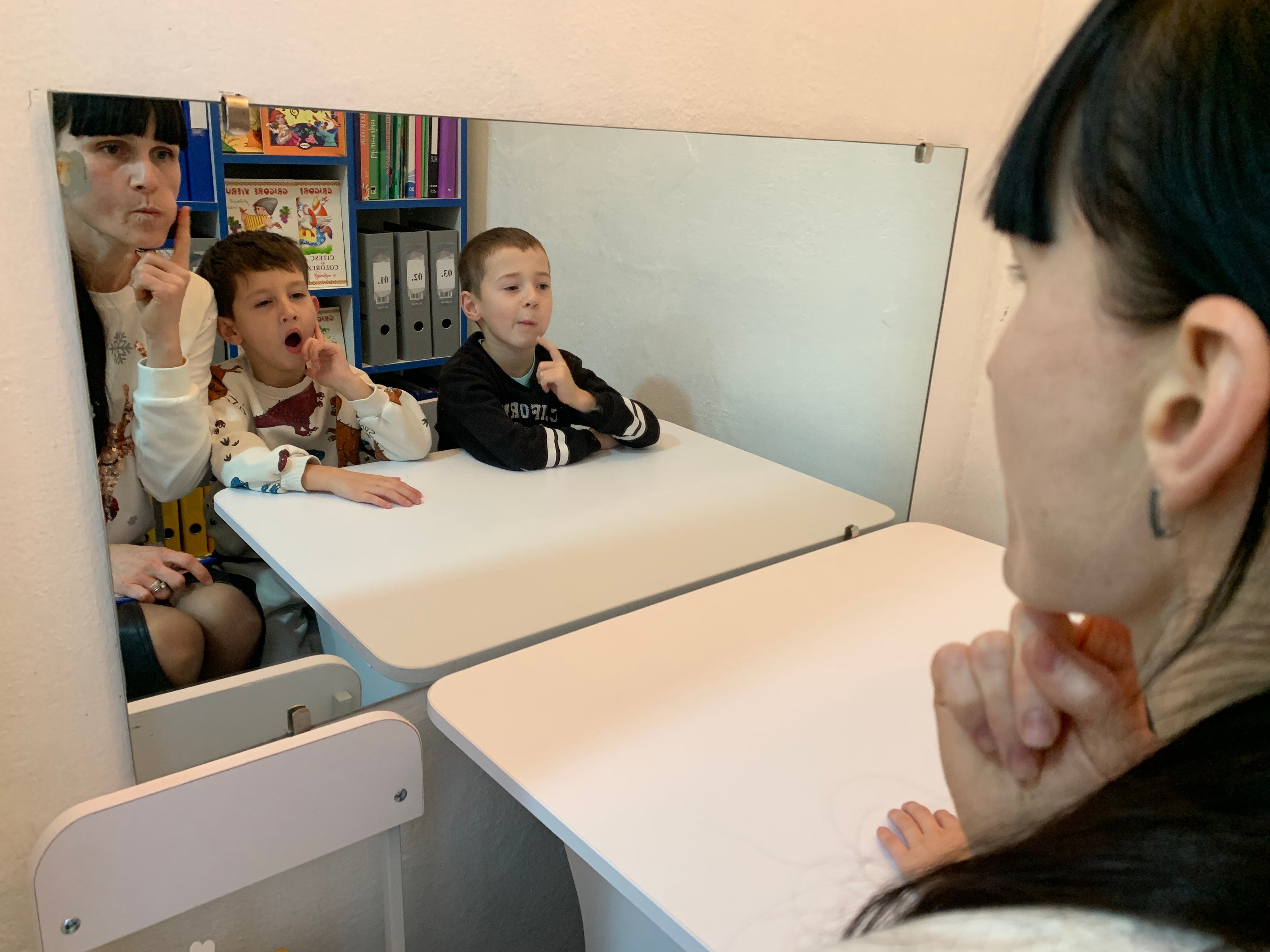
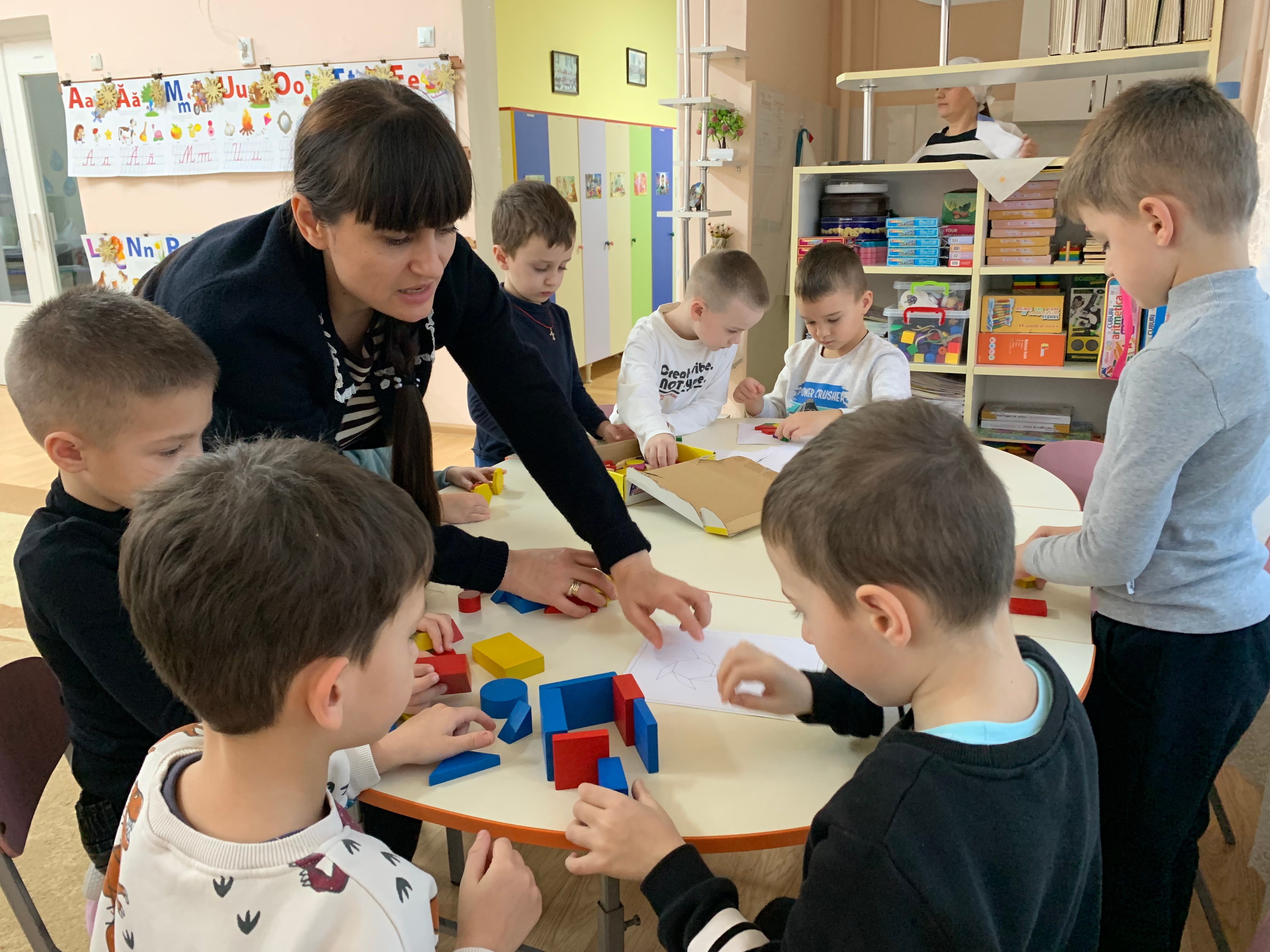
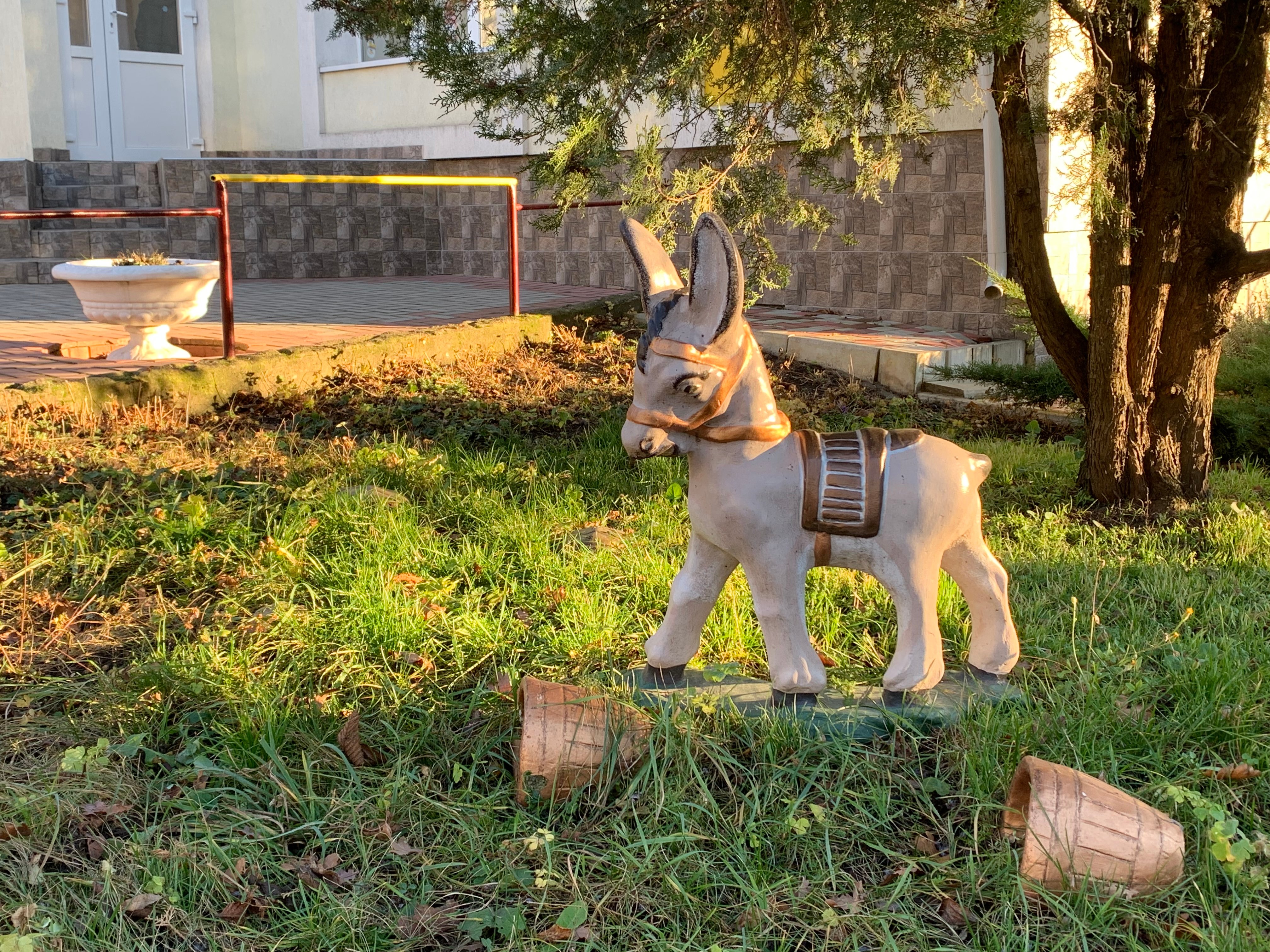
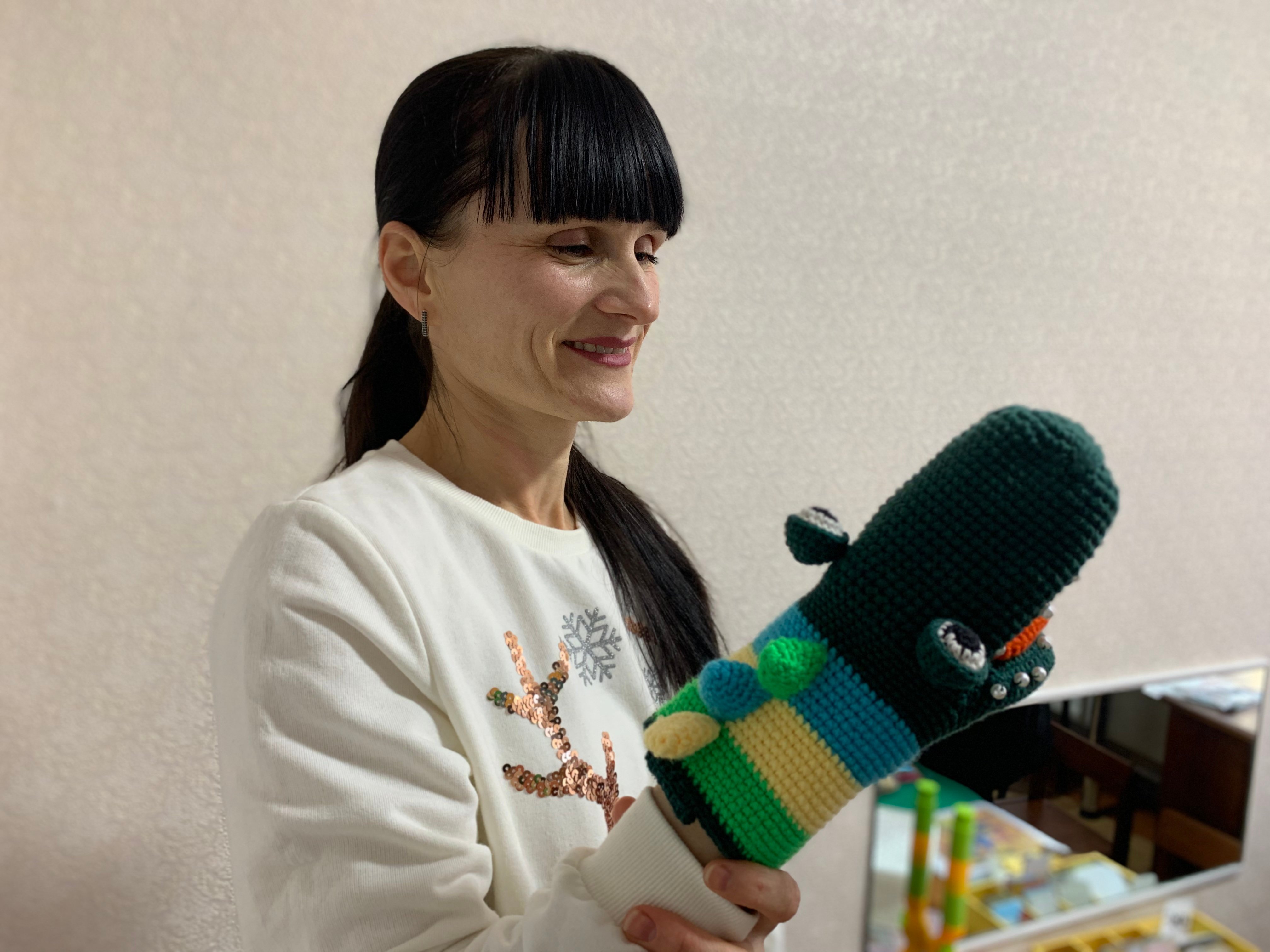
C’est l’heure calme du début d’après-midi à l’école maternelle Floricica (« Petite Fleur ») de la ville de Drochia, en Moldavie. Les enfants se reposent ou s’adonnent tranquillement au dessin et aux puzzles, mais, de quelque part, des sons inattendus viennent troubler le silence. Un hennissement de cheval ? Et maintenant… un caquètement de poule ?
Au bout du couloir, dans une petite pièce à la décoration chaleureuse, trois personnes sont assises côte à côte devant un grand miroir : Elena Fricățel et deux jeunes garçons. Sur le petit bureau devant eux se trouvent des cartes illustrées représentant un cheval, une poule, une paire de ciseaux et un marteau. Alors qu’Elena sort une carte avec un chat, puis une autre avec une trompette, l’origine du bruit devient évidente : les garçons se mettent avec enthousiasme à miauler et à imiter le son d’une trompette.
Pour Galina Mazur, directrice de Floricica, les bruits qui parviennent de temps à autre jusqu’à son bureau ne sont pas une source d’inquiétude, mais le signe que la situation à Drochia a évolué dans le bon sens.
« Depuis quelque temps déjà, Drochia compte un nombre croissant d’enfants souffrant de troubles de la parole suffisamment graves pour constituer un obstacle majeur à leur éducation et à leur développement futurs. Mais enfin, le district dispose désormais d’un nombre suffisant d’orthophonistes pour offrir à ces enfants un accompagnement adapté et de qualité en temps opportun », explique-t-elle.
La première étape a consisté à illustrer le problème
En 2023, il n’y avait qu’un seul orthophoniste dans toute la ville de Drochia, chargé de s’occuper de plus de 90 enfants présentant des besoins d’accompagnement avérés — une charge de travail écrasante qui a contraint de nombreux enfants à figurer sur des listes d’attente sans bénéficier d’une intervention en temps opportun, compromettant ainsi leur scolarité.
« Sans un accompagnement précoce, les enfants souffrant de troubles de la parole risquent de prendre du retard en lecture et en écriture, de se sentir frustrés et isolés, voire d’être à tort considérés comme des élèves lents — des conséquences qui peuvent affecter leur confiance en eux et leur parcours scolaire pendant de nombreuses années », explique Galina Chistrea, directrice du Centre de soutien psychopédagogique (SAP) du district.
Alors que les besoins ne cessaient de croître, il est apparu clairement que le système existant n’était pas suffisant. Galina Chistrea s’est donc associée à l’ONG locale « Centre de rééducation pour enfants en situation de handicap Încredere », membre de la coalition nationale pour l’éducation APSCF en Moldavie, afin de sensibiliser le public et de mobiliser des soutiens pour faire de l’orthophonie une priorité dans les établissements d’éducation précoce de Drochia.
« Très tôt dans le processus, ils ont contacté l’APSCF, et nous avons travaillé avec les défenseurs locaux pour illustrer l’ampleur du problème et rassembler des données sur l’impact qu’aurait un meilleur accès à l’orthophonie », explique Viorica Cojocaru, chargée de plaidoyer à l’APSCF.
Pour illustrer l’ampleur du problème, ils ont mené des évaluations dans les écoles maternelles et primaires, recensant plus de 245 enfants présentant des troubles de la parole rien qu’à Drochia. Ils ont ensuite organisé des consultations avec les parents, les éducateurs et la direction des établissements scolaires afin de valider ces résultats et de sensibiliser à cette question, contribuant ainsi à mobiliser un soutien en faveur d’une action au niveau du district. Enfin, ils ont présenté ces résultats au Conseil de district de Drochia, accompagnés de données montrant que l’absence de prise en charge précoce touche de manière disproportionnée les enfants issus de milieux ruraux et de familles à faibles revenus, et qu’elle est liée à un mauvais bien-être émotionnel et à l’exclusion scolaire.
Le résultat ?
Le conseil municipal de Drochia a réagi en augmentant la dotation budgétaire consacrée à l’orthophonie. Des fonds ont été débloqués pour recruter deux orthophonistes supplémentaires en 2024, puis deux autres en 2025, portant ainsi le nombre total d’orthophonistes à cinq et élargissant l’accès à un accompagnement précoce dans toute la commune.
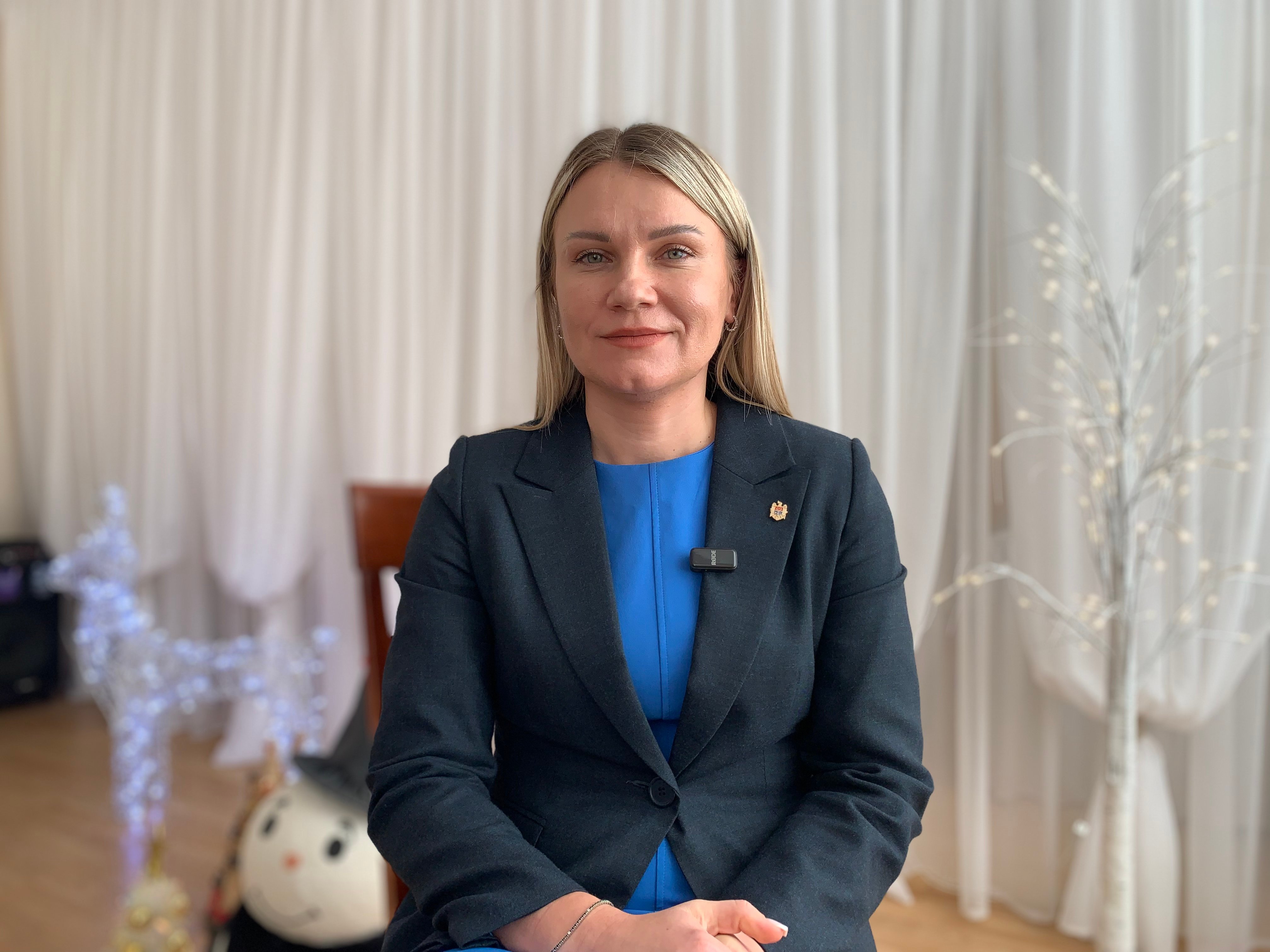
« Galina Chistrea sait se montrer très persuasive », déclare Nina Cereteu avec un petit rire. En tant que maire de Drochia, elle a contribué à obtenir le soutien du reste du conseil municipal. « Le développement de la petite enfance est une priorité absolue pour moi, et les représentants de la société civile locale ont clairement fait savoir que l’orthophonie méritait d’être une priorité afin de garantir de bonnes conditions de vie à nos enfants », explique-t-elle.
Mon fils avait des difficultés d’élocution, ce qui l’empêchait pratiquement d’interagir avec qui que ce soit. Aujourd’hui, il est capable de former des phrases et de s’exprimer, et nous le voyons jouer et échanger avec d’autres enfants.
Tamara Dumitrașmère d’un petit garçon de cinq ans à l’école maternelle Floricica
Le développement de la petite enfance est pour moi une priorité absolue, et SAP et l’APSCF ont clairement indiqué que l’orthophonie méritait d’être considérée comme une priorité afin de garantir de bonnes conditions de vie à nos enfants.
Nina CereteuMayor, Drochia
Lorsque je rencontre pour la première fois des enfants présentant des troubles de la parole, ils sont souvent craintifs et renfermés. Grâce à la thérapie, ils parviennent peu à peu à surmonter ces obstacles, apprennent à communiquer et acquièrent la confiance nécessaire pour développer d’autres compétences importantes et nouer des liens sociaux.
Nous avons collaboré avec des acteurs locaux pour mettre en évidence l’ampleur du problème et rassembler des données illustrant l’impact qu’aurait un accès accru à l’orthophonie : comment cela améliorerait la vie et la scolarité des enfants concernés, soutiendrait leurs parents et profiterait à la société dans son ensemble.
Viorica Cojocaru Chargé(e) de plaidoyer, APSCF.
Depuis quelque temps déjà, Drochia connaît une augmentation du nombre d’enfants souffrant de troubles de la parole suffisamment graves pour constituer un obstacle majeur à leur éducation et à leur développement futurs. Mais enfin, le district dispose désormais d’un nombre suffisant d’orthophonistes pour offrir à ces enfants un accompagnement adapté et de qualité en temps opportun.
Galina Mazur Directrice de Floricica
Un succès qu’il faut désormais pérenniser
Cette extension a considérablement amélioré l’accès à un accompagnement précoce dans tout le district. Grâce à la présence de cinq thérapeutes, les délais d’attente ont été réduits, les écoles maternelles situées en milieu rural bénéficient d’une meilleure couverture, et davantage d’enfants sont identifiés et pris en charge plus tôt. Aujourd’hui, plus de 150 enfants bénéficient d’un soutien indispensable pour surmonter leurs difficultés, rattraper leur retard par rapport à leurs camarades et participer pleinement à l’apprentissage en classe.
« De plus, ce soutien renforcé a contribué à réduire les disparités entre les zones urbaines et rurales et à améliorer le dépistage précoce et l’intervention, en particulier pour les enfants qui, sans cela, auraient pu être considérés comme ayant des difficultés d’apprentissage ou en situation de désengagement », explique Viorica Cojocaru, de l’APSCF.
Si le recrutement de nouveaux orthophonistes constitue une avancée majeure, les nouvelles réglementations nationales risquent de réduire à néant ces progrès. Une directive du ministère de l’Éducation datant de 2024 réserve les postes d’orthophonistes à temps plein aux écoles maternelles comptant au moins 12 groupes — un seuil que seule la plus grande école maternelle de Drochia atteint.
« La prochaine étape consiste donc à pérenniser cette amélioration en plaidant en faveur d’un modèle révisé qui répartirait les orthophonistes en fonction du nombre d’enfants souffrant de troubles de la parole, et non de la taille de l’établissement — une approche qui reflète mieux les réalités des communautés rurales et défavorisées », explique Galina Chistrea, de SAP.
À Floricica, la séance d’orthophonie se poursuit sans interruption. « Suuuper », dit Elena Fricățel en exagérant le roulé du « r ». Les garçons se concentrent. « Machina », dit l’un d’eux avec précaution — avant d’ajouter un « brrrr » plein de détermination qui résonne fièrement dans le couloir.
Ce qui n’était au départ qu’une préoccupation locale liée aux longs délais d’attente pour bénéficier d’une orthophonie indispensable s’est transformé en une formidable réussite de mobilisation communautaire, qui a permis de recruter cinq orthophonistes supplémentaires pour aider les enfants de Drochia à rattraper leur retard par rapport à leurs camarades. Par Malene Aadal Bo.