

Données locales, impact national : l’étude sur les TIC ouvre des portes
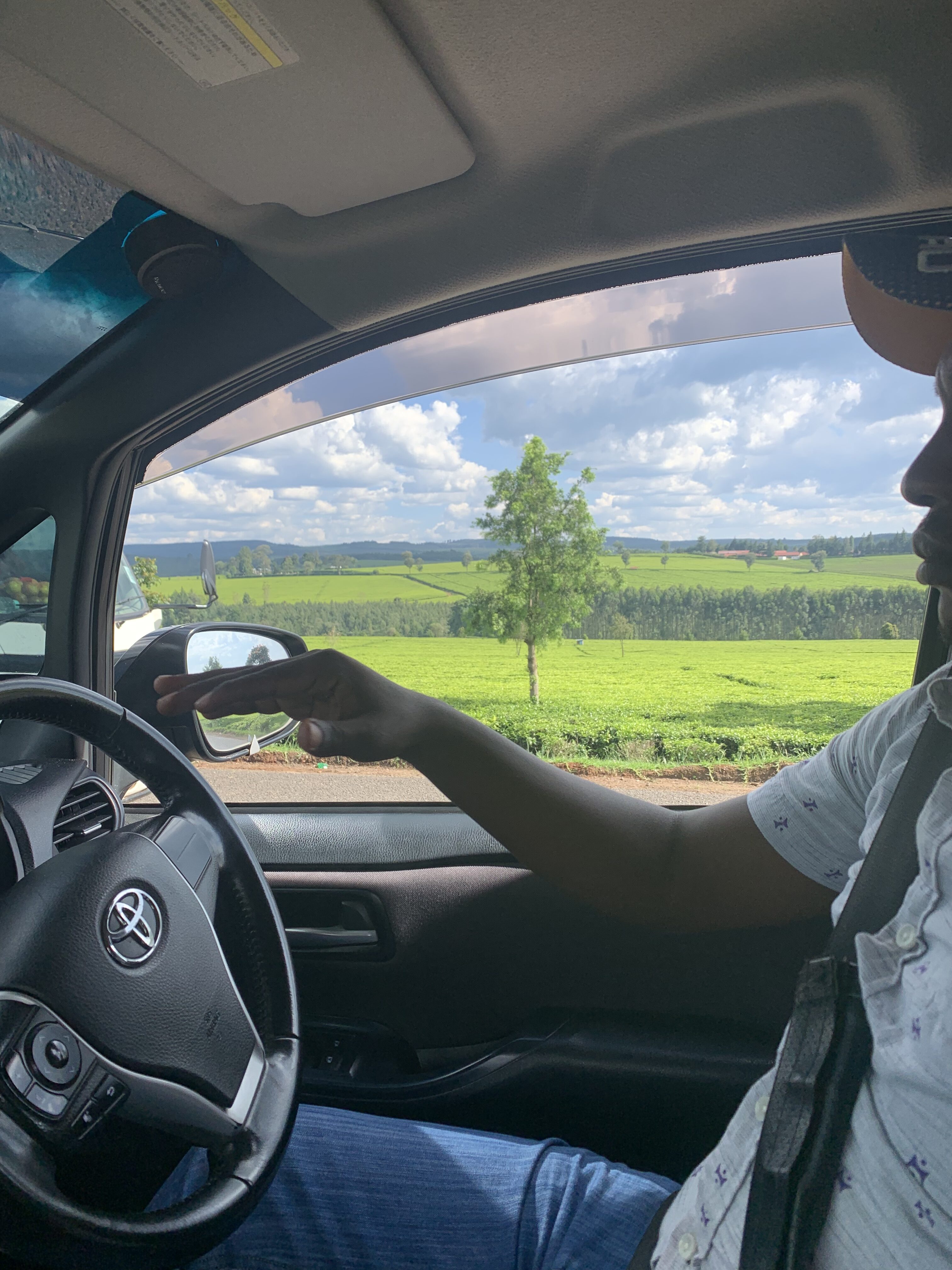
Certains documents ont le pouvoir d’ouvrir des portes et d’orienter les discussions. L’un d’entre eux a récemment été rédigé dans les hautes terres de Kericho, au Kenya. Il témoigne aujourd’hui à la fois de l’influence des données fiables dans le domaine du plaidoyer et de la valeur d’une présence locale durable grâce aux réseaux éducatifs régionaux.

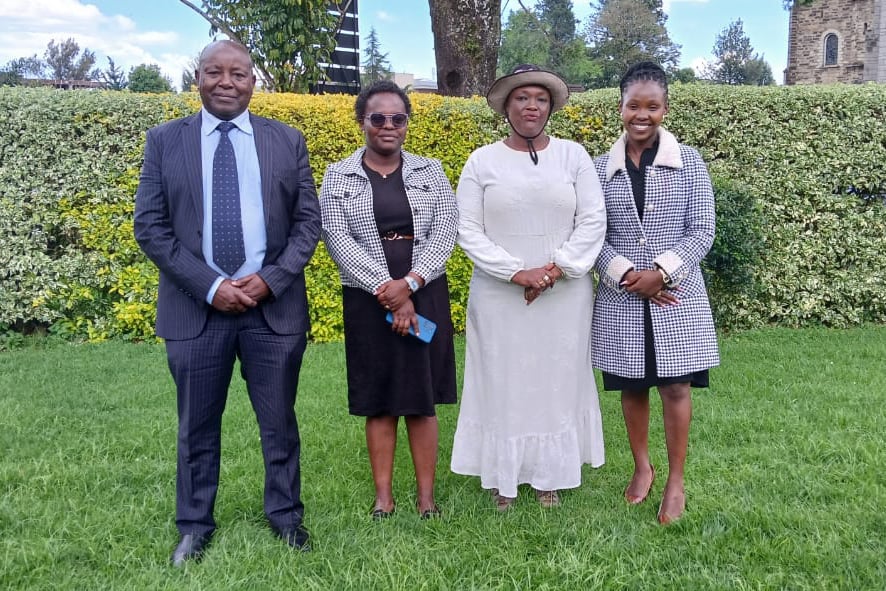

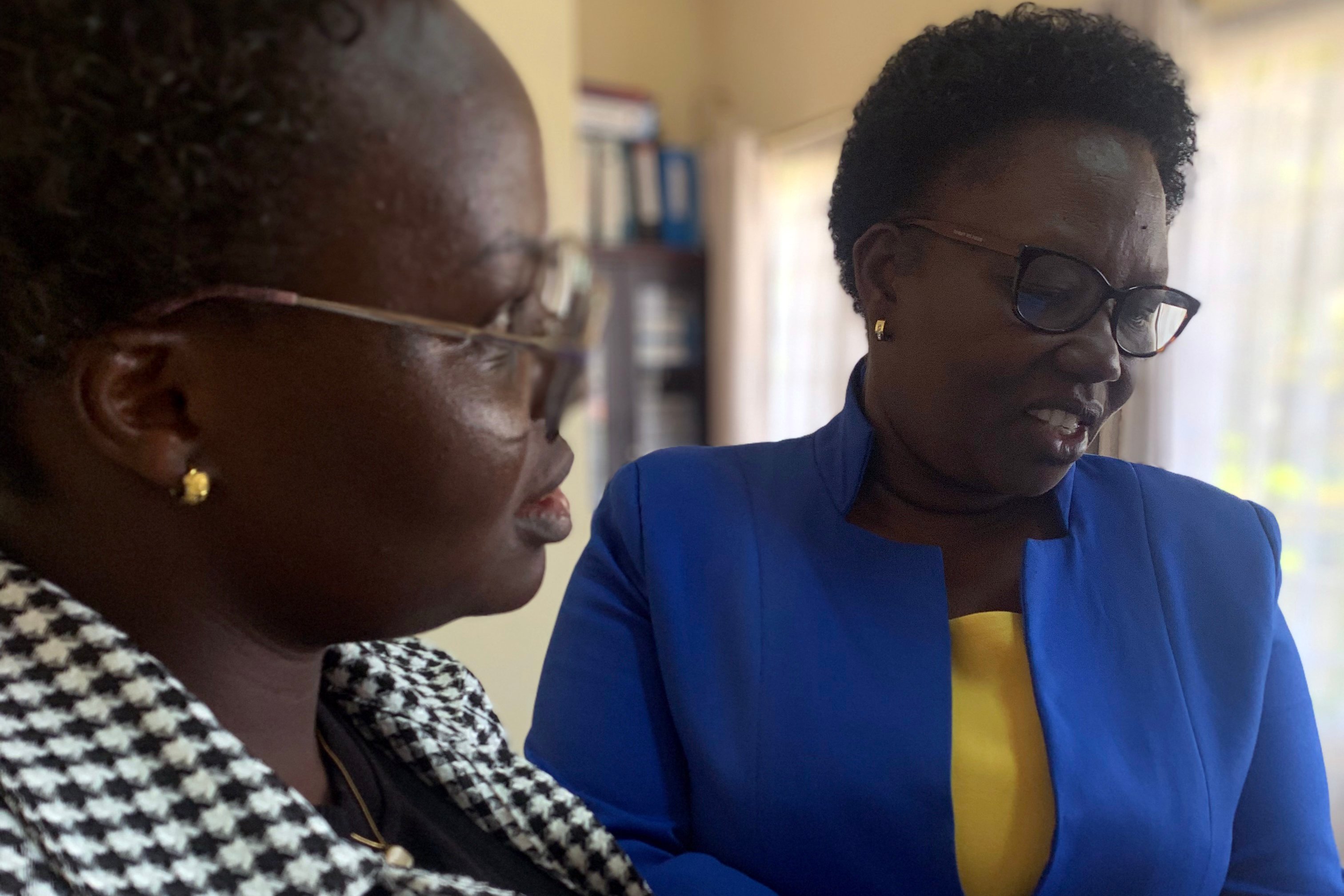
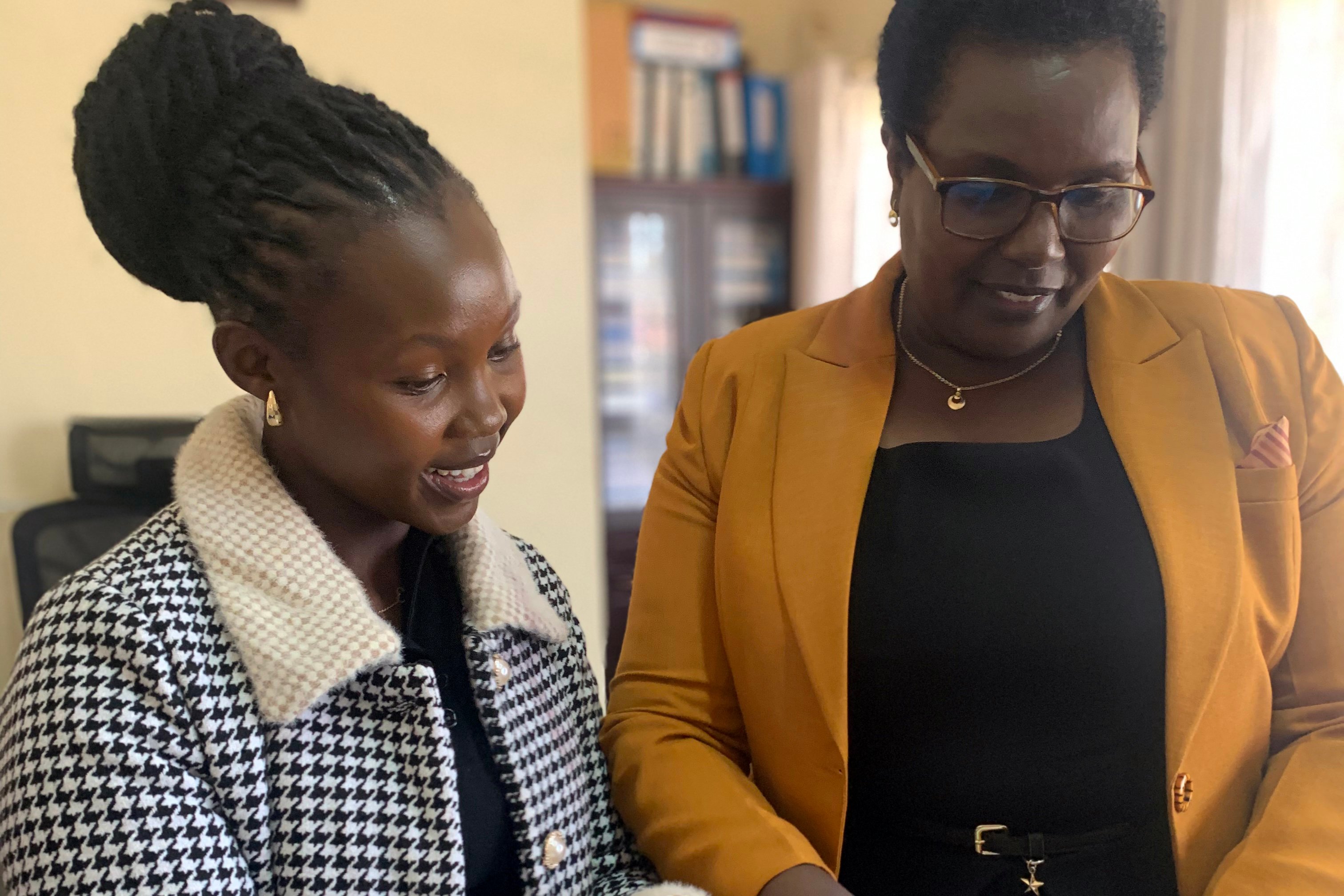

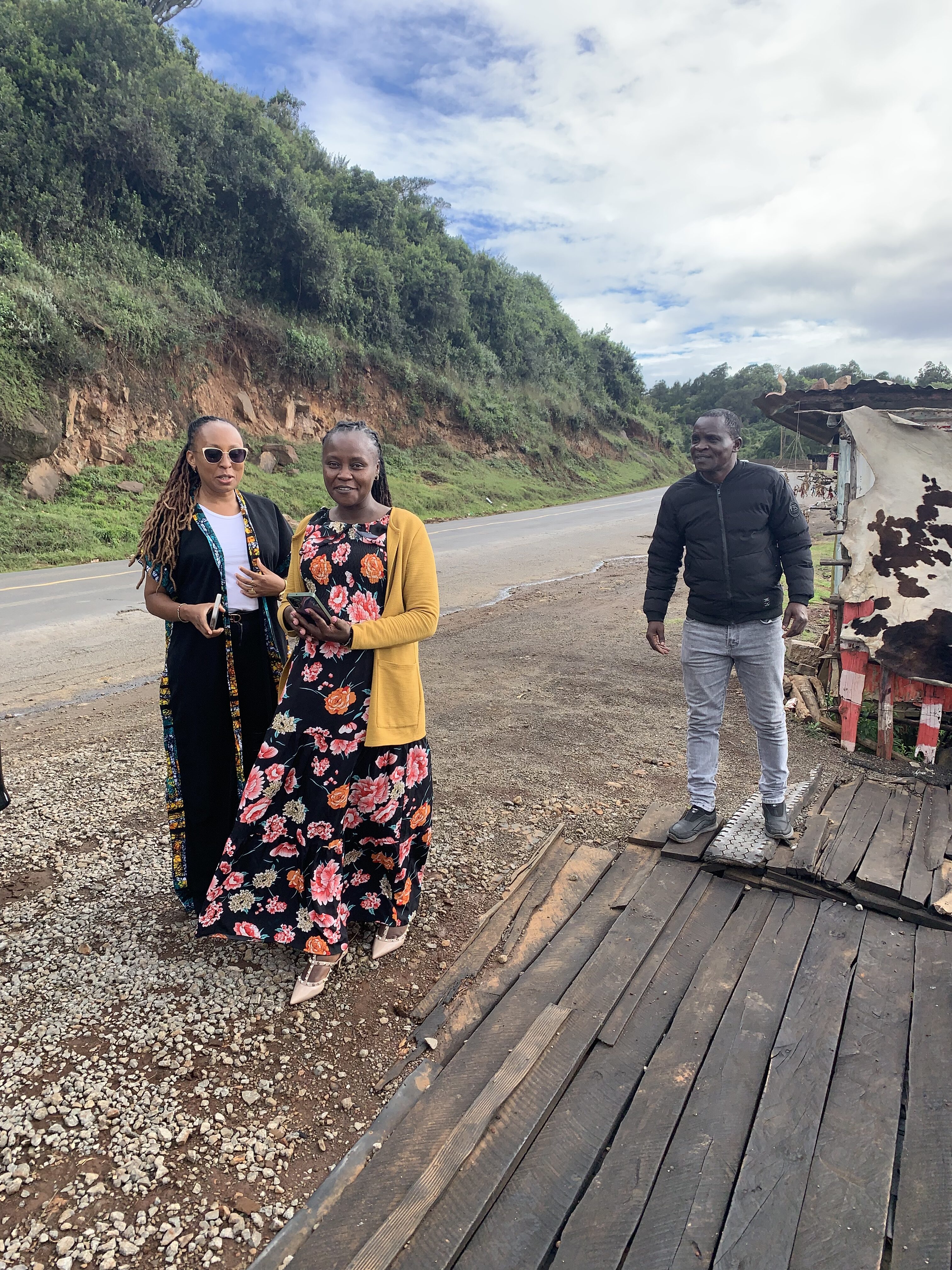
« Je ne vous connaissais pas auparavant, mais l’année dernière, vous êtes venue demander l’autorisation de mener des recherches dans les écoles de Kericho. Aujourd’hui, vous m’apportez le rapport et je vous en suis très reconnaissante », déclare Judith Chepkorir Chirchir.
Membre du comité exécutif du comté de Kericho, elle est responsable de l’éducation, de la culture et des services scolaires. Elle est également un acteur clé pour les organisations de la société civile qui cherchent à influencer les politiques éducatives et leur mise en œuvre dans le comté. Elle a un emploi du temps très chargé, mais elle a accepté de recevoir les membres du réseau éducatif de la coalition Elimu Yetu qui souhaitaient partager le rapport final sur l’intégration des TIC dans les écoles de Kericho et de 10 autres comtés.
« Nous souhaitons vraiment que nos enfants acquièrent des compétences numériques, c’est pourquoi l’intégration de l’apprentissage des TIC à l’école est une priorité pour nous. Cependant, c’est également un domaine dans lequel nous devons acquérir davantage de connaissances pour prendre des initiatives pertinentes. Nous apprécions donc beaucoup ce rapport et le dialogue avec le réseau éducatif du comté de la coalition Elimu Yetu », déclare Judith Chepkorir Chirchir.
Quand la politique nationale rencontre la réalité des salles de classes
La coalition Elimu Yetu est la coalition nationale pour l’éducation au Kenya, et les réseaux éducatifs régionaux sont une structure qui existe depuis le tout début, garantissant le lien entre l’élaboration des politiques nationales et les réalités sur le terrain.
Le rapport actuel sur l’intégration des TIC dans les écoles en est un excellent exemple.
« Le gouvernement met en place de nouvelles initiatives en matière d’intégration des TIC dans l’éducation, et en tant que coalition Elimu Yetu, nous voulons nous assurer que ces politiques tiennent compte de la réalité des écoles. Pour ce faire, nous devons bien connaître les défis et les besoins réels auxquels les écoles sont confrontées, et nous devons faire en sorte que ces informations aient du poids auprès des décideurs politiques lorsque nous leur présentons nos recommandations », explique Loise Keingati, responsable des campagnes au sein de la coalition.
Nous ne restons pas les bras croisés. Les enfants nous disent que ces ordinateurs portables représentent leur avenir. Que faisons-nous ?
Tout ce dont nous avons besoin.Loise KeingatiResponsable des campagnes, Elimu Yetu.
L’intégration des TIC dans les écoles est une priorité pour nous. C’est également un domaine dans lequel nous avons besoin de plus de connaissances, c’est pourquoi nous apprécions beaucoup ce rapport.
Judith Chepkorir Chirchirmembre du comité exécutif du comté de Kericho
Grâce à cette étude, nous comprenons enfin l’écosystème des TIC dans nos écoles. Forts de preuves concrètes, nous pouvons désormais plaider en toute confiance en faveur de solutions adaptées à la réalité du terrain.
Valet BiiDirecteur, Liftorphan Organisation,
membre du réseau éducatif Elimu Yetu County Education Network à Kericho.
La structure du réseau éducatif du comté nous donne accès à des formations et à des informations provenant d’autres comtés et du niveau national, ce qui nous permet de transformer les réalités que nous observons en preuves ou en arguments qui influencent les politiques.Brenda CheptooCo-foundatrice, Rural Projects Support Facility,
membre du réseau éducatif Elimu Yetu County Education Network à Kericho.
Ce que 1 000 écoles ont révélé
Les membres de dix réseaux éducatifs régionaux ont mené une vaste enquête auprès de 1 000 écoles, dont 100 à Kericho, où Brenda Cheptoo et Valet Bii faisaient partie de l’équipe de recherche. Toutes deux sont actives au sein d’organisations locales de la société civile faisant partie de la coalition Elimu Yetu. Elles estiment avoir beaucoup gagné grâce à leurs liens étroits avec les actions de plaidoyer menées au niveau national.
« Les réseaux éducatifs régionaux sont tenus informés par la coalition Elimu Yetu des priorités et des développements nationaux, et nous recevons régulièrement des formations que nous mettons en pratique dans notre travail de plaidoyer local. C’est un énorme avantage », explique Valet Bii.
Dans ce cas précis, les bénévoles ont été formés à la conception de la recherche ainsi qu’aux aspects pratiques de la collecte de données, et les rencontres directes avec les enseignants et les élèves lors des nombreuses visites scolaires ont apporté de nouvelles perspectives à Brenda Cheptoo et Valet Bii.
« Même si nous vivons à Kericho et y avons fait nos études, nous avons tout de même été surpris par ce que nous avons découvert. L’accès à Internet était rare, l’électricité peu fiable et de nombreuses écoles disposaient d’ordinateurs portables dont le contenu était obsolète, car ils n’avaient jamais été mis à jour ni connectés à Internet. Nous n’avions pas pris en compte des questions telles que la sécurité du stockage des appareils, ni le fait que, même lorsque les TIC et des enseignants formés étaient disponibles, les élèves rencontraient encore des difficultés, car ils n’avaient pas de connexion Internet à la maison et bénéficiaient de peu de soutien de la part de leurs parents, qui ne maîtrisaient pas le numérique », explique Brenda Cheptoo.
De la preuve locale à l’influence nationale
Les données provenant de Kericho ont été compilées avec celles des autres comtés participants et publiées dans le rapport qui, selon Loise Keingati, a déjà suscité un vif intérêt.
Comme à Kericho, les CNE d’autres régions du pays ont utilisé ces conclusions pour engager le dialogue avec les autorités locales. Et le secrétariat de la coalition Elimu Yetu travaille au niveau national, partageant les données ainsi que nos recommandations.
“Cette étude a également ouvert de toutes nouvelles perspectives, par exemple pour l’UNICEF, qui a manifesté de l’intérêt, et pour Safaricom, la grande entreprise kenyane de télécommunications, qui utilise les résultats pour orienter ses investissements sociaux », explique Loise Keingati.
« Oui, c’est vraiment un excellent exemple de la manière dont le niveau national a aidé le niveau local à recueillir des informations qui ont été traitées par le niveau national et qui constituent désormais une ressource pour le plaidoyer tant au niveau national que local », ajoute-t-elle.
Étude sur les TIC :
COMPRENDRE LES ÉCOSYSTÈMES NUMÉRIQUES SCOLAIRES DANS 10 COMTÉS DU KENYA
- La recherche a été lancée parce qu’une politique était en cours d’élaboration et qu’Elimu Yetu avait besoin de connaissances et de preuves pour influencer cette politique afin qu’elle ait un impact positif sur la qualité de l’éducation.
- Principales conclusions tirées de 1 000 écoles publiques réparties dans 10 comtés:
• 92 % des écoles ont reçu des appareils numériques destinés à l’apprentissage.
• Seulement 68 % des écoles utilisaient efficacement les appareils numériques fournis.
• 94,7 % des écoles avaient l’électricité.
• Seulement 35,5 % des écoles disposaient d’une connexion Internet. - Parmi les écoles disposant d’un accès à Internet, 81 % l’utilisaient à des fins d’enseignement et d’apprentissage, et 85 % d’entre elles ont signalé une amélioration de la qualité des résultats d’apprentissage. Les compétences des enseignants en matière de TIC restaient faibles, la plupart des écoles ne disposant que d’un à quatre enseignants formés à cet effet. L’adoption des TIC par les apprenants était élevée : 78 % d’entre eux utilisaient activement les technologies numériques dans leur apprentissage.
- Grâce aux données recueillies, la coalition Elimu Yetu et les réseaux éducatifs des comtés ont élaboré des plans d’action ciblés visant à promouvoir les compétences numériques dans les écoles publiques. Ces données sont également utilisées pour éclairer les politiques nationales à long terme et orienter une allocation équitable des ressources.
- En outre, des réseaux et des partenariats renforcés sont mis à profit pour soutenir et développer les initiatives en matière d’éducation numérique dans tous les comtés, et les résultats du projet sont utilisés pour mobiliser des fonds supplémentaires et un soutien stratégique afin d’étendre les programmes d’alphabétisation numérique.
- Les données ont été recueillies à Kericho et dans 10 autres comtés, puis publiées en avril 2025.
Cliquez ici pour accéder a l’étude